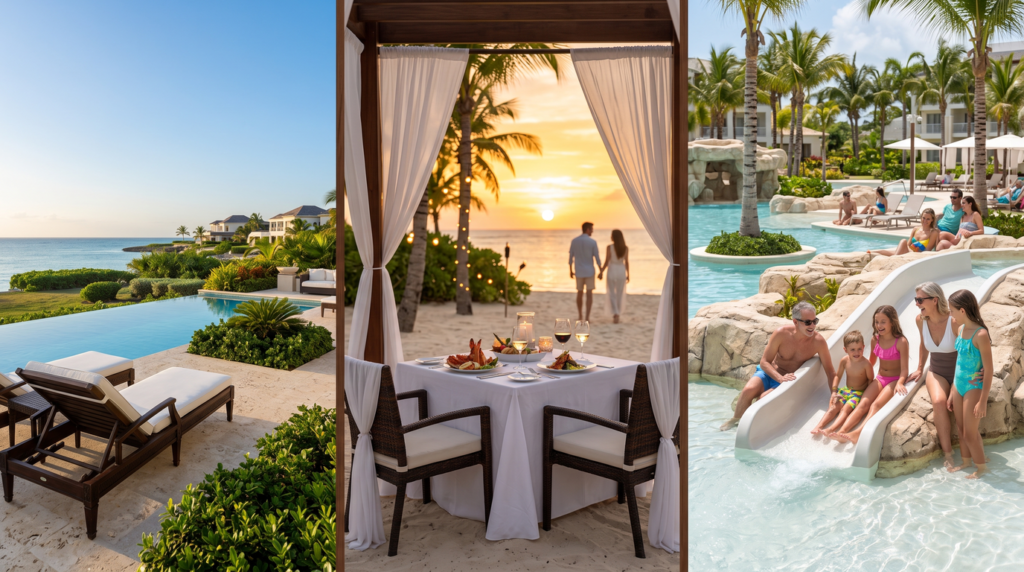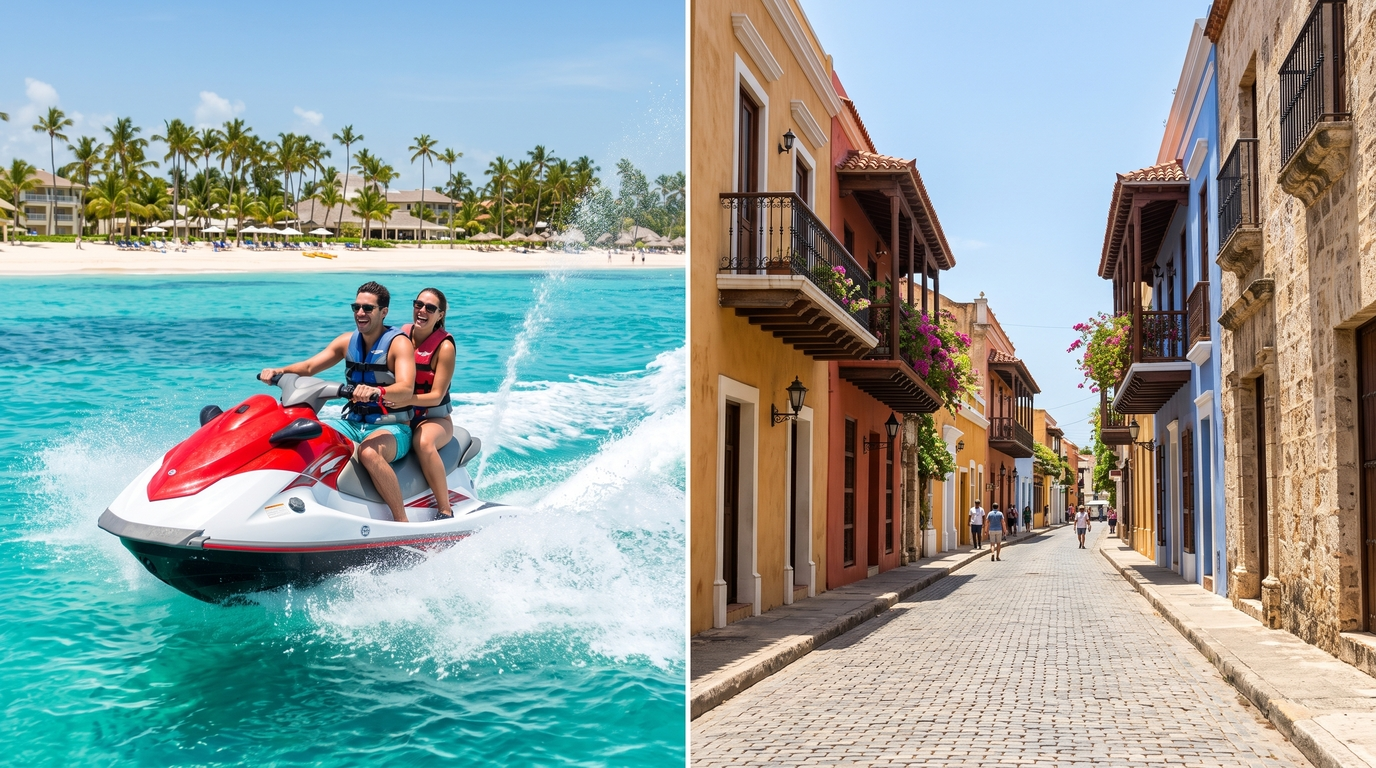
Choosing between Punta Cana and Santo Domingo comes down to your primary vacation goal. Punta Cana is the Dominican Republic’s undisputed beach and adventure capital, optimized for pristine ocean conditions, high-energy water sports, and stress-free resort infrastructure. Santo Domingo is a dense, deeply historic urban center meant for travelers seeking heavy cultural immersion, centuries-old architecture, and city exploration. If you want the classic Caribbean mix of white sand, ocean thrills, and accessible tourist amenities, Punta Cana is your clear winner.
You booked the flight to the Dominican Republic. Now comes the hard part.
Deciding where to spend your vacation time can completely alter your Caribbean experience. Many travelers assume the entire island offers the exact same vibe. They end up disappointed when their city hotel has no beach, or their remote beach town lacks historical museums.
We see this confusion constantly on the water. Our on-the-ground experience shows that setting the right home base dictates your entire trip. This guide breaks down the exact differences between the two largest hubs in the DR, helping you choose the perfect fit for your 2026 itinerary.
To make your decision effortless, here is how the two destinations stack up across essential vacation metrics.
| Feature | Punta Cana | Santo Domingo | Winner / Best For |
| Beaches | Swimmable, world-class white sand, clear waters | Rocky seawalls, commercial port, no swimming | Punta Cana (Undisputed) |
| Adventure | Ocean thrills, adrenaline-pumping water sports packages, ATVs | Urban walking tours, museum visits | Punta Cana |
| History & Culture | Newer tourist infrastructure, local Dominican food tours | 500-year-old colonial architecture, deep historical roots | Santo Domingo |
| Nightlife | High-energy superclubs, cave discos, beach bars | Rooftop lounges, local colmados, salsa clubs | Tie (Depends on your vibe) |
| Safety | Highly secure tourist zones, built for vacationers | Requires standard urban street smarts | Punta Cana |
| Walkability | Resort-focused, needs taxis or shuttles for long trips | Highly walkable historic center (Zona Colonial) | Santo Domingo |
Punta Cana is a massive, high-energy coastal region, not just a row of isolated hotels. Beyond the resort gates, it operates as an action-packed playground featuring off-road trails, local surf towns, thriving expat communities, and some of the most dynamic ocean activities in the Caribbean.
A stubborn myth exists that visiting this coast means you are trapped inside an all-inclusive buffet line for seven days. That simply isn't true anymore. The region has evolved aggressively over the last decade. Today, it caters directly to independent travelers, thrill-seekers, and digital nomads who want out of the hotel bubble.
You come here for the water. The Atlantic Ocean meets the Caribbean Sea right on this coastline, creating distinct zones for different activities.
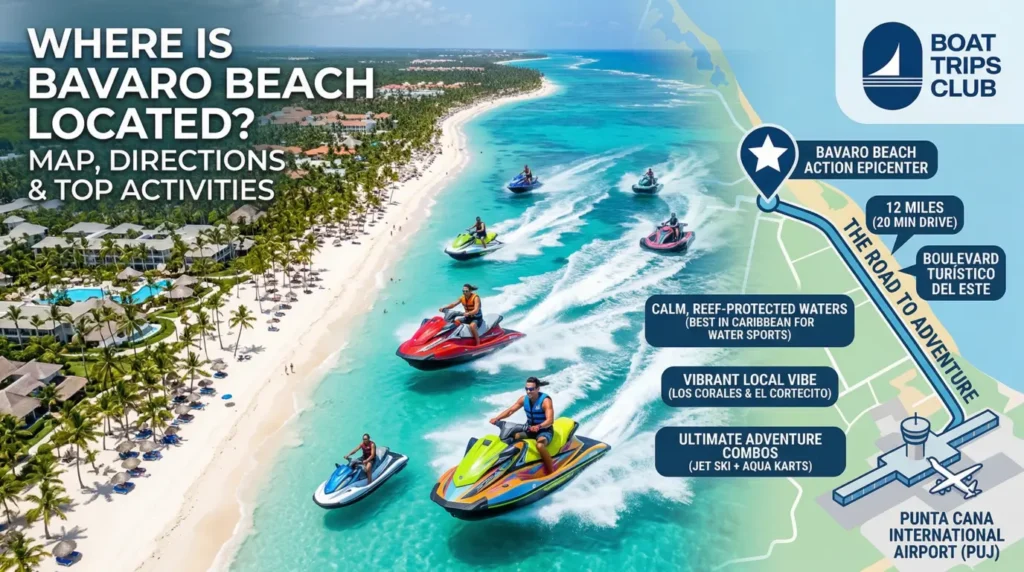
Most visitors flock to the iconic shores of Playa Bávaro for calm, reef-protected swimming and massive stretches of palm-lined sand. But the real action happens when you leave the lounge chair.
You can hike through the jungle canopies at Scape Park, swim in hidden blue cenotes, or tear up the dirt on the off-road ATV tracks at Macao Beach. Macao also offers excellent local surf breaks and authentic beachfront fish shacks that feel miles away from commercialized tourism.
You do not need a plastic resort wristband to enjoy this town. The accommodation landscape has exploded with independent options.
Travelers who want to walk to cafes, local bars, and independent dive shops should look closely at neighborhoods like Los Corales and El Cortecito. These are the best areas to stay for independent travelers, heavily populated by expats and loaded with boutique hotels and upscale Airbnbs. If you want ultra-luxury without the massive resort crowds, the gated community of Cap Cana offers private villas and an exclusive marina atmosphere.
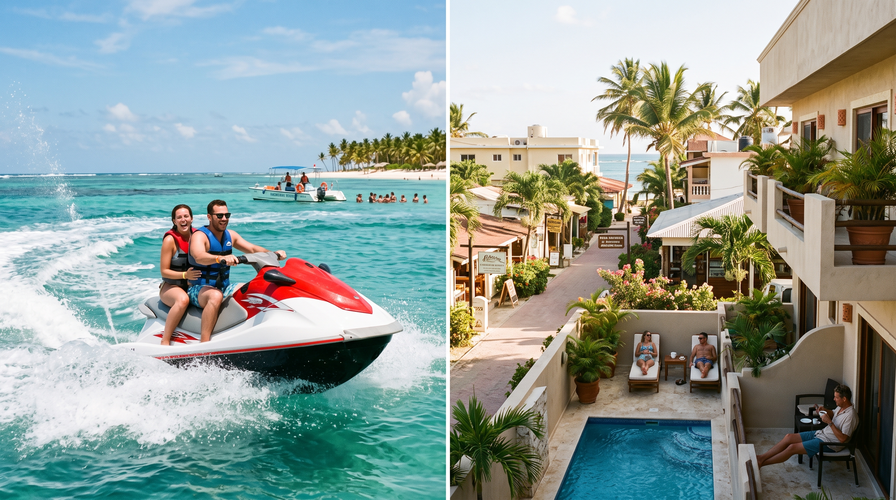
Santo Domingo is a densely populated, high-traffic capital city that serves as the economic and political engine of the Dominican Republic. It offers zero swimmable beaches but delivers an unmatched, authentic dive into 500 years of colonial history and modern urban Dominican life.
Expect traffic jams, loud street vendors, towering high-rises, and a very fast-paced lifestyle. It feels like a massive Latin American metropolis, completely different from a laid-back island town.
The main draw here is the Zona Colonial (Colonial Zone). This is where the Spanish first established their capital in the New World.
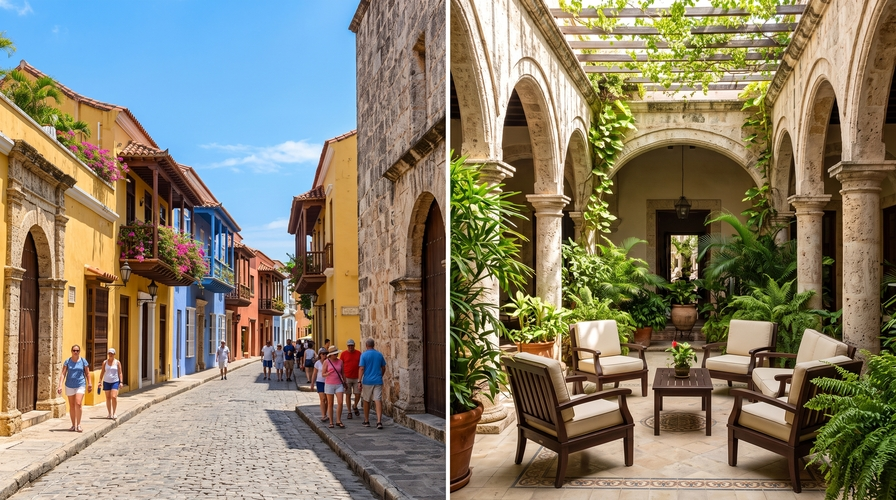
Walking through these cobblestone streets feels like stepping back into the 1500s. You can explore the Catedral Primada de América (the first cathedral in the Americas) and the Columbus Alcazar. The historical preservation here is serious business, earning it an official UNESCO World Heritage site designation. Outside the historic center, you'll find massive botanical gardens, underground cave lakes at Los Tres Ojos, and high-end shopping malls in the Piantini district.
If you visit the capital, you should stay directly inside the Zona Colonial.
This district is incredibly walkable, heavily policed for tourist safety, and packed with charming boutique hotels built into restored 16th-century Spanish mansions. Staying in the modern business districts means dealing with aggressive daily gridlock just to see the sights.
If your vacation requires ocean thrills, Punta Cana completely outclasses the capital. Santo Domingo features a commercial shipping port and a rocky urban seawall called the Malecón, meaning beachfront water sports are non-existent. Punta Cana is engineered entirely around aquatic adventure.
This is often the deciding factor for our clients. You cannot rent a personal watercraft or take a catamaran tour from the streets of Santo Domingo. You have to drive at least 45 minutes out of the city just to find decent sand.
Punta Cana’s geography provides the perfect playground. The barrier reefs keep the inner waters calm enough for high-speed navigation while still offering enough chop to make things interesting.
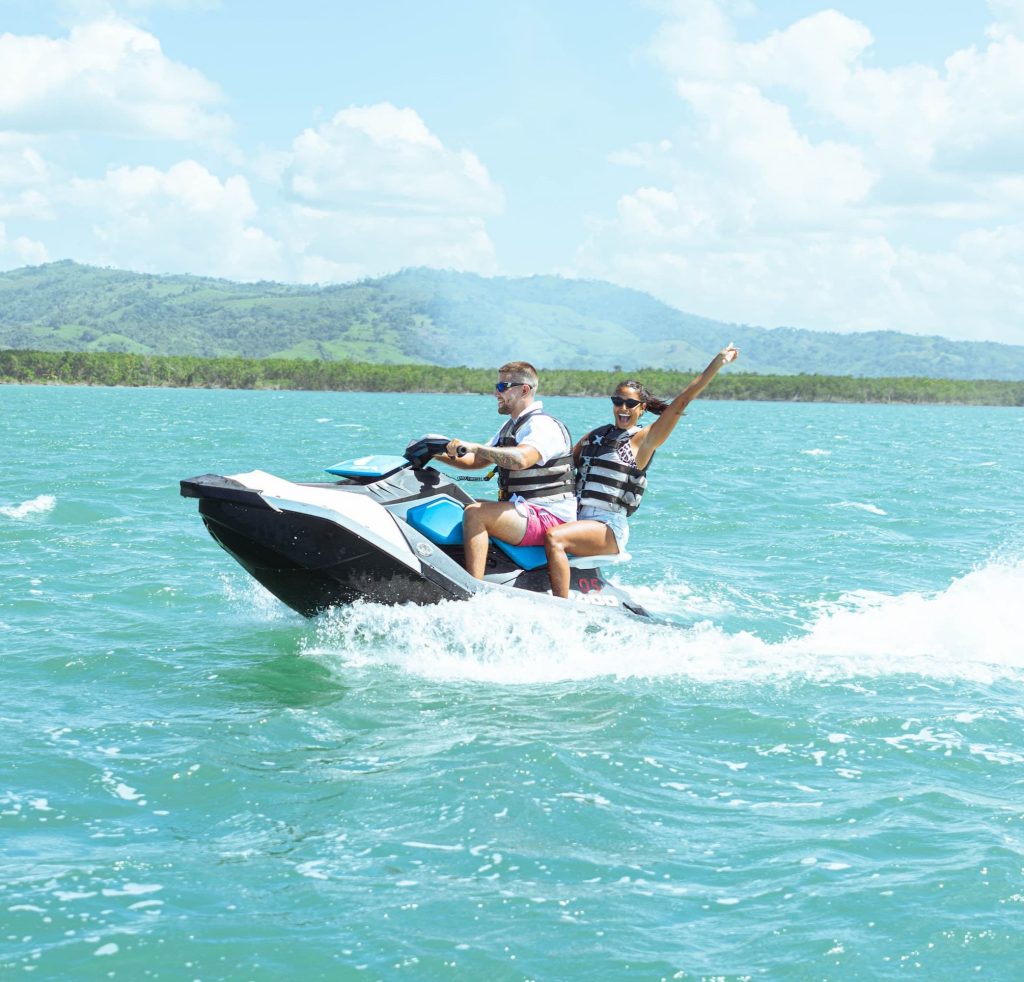
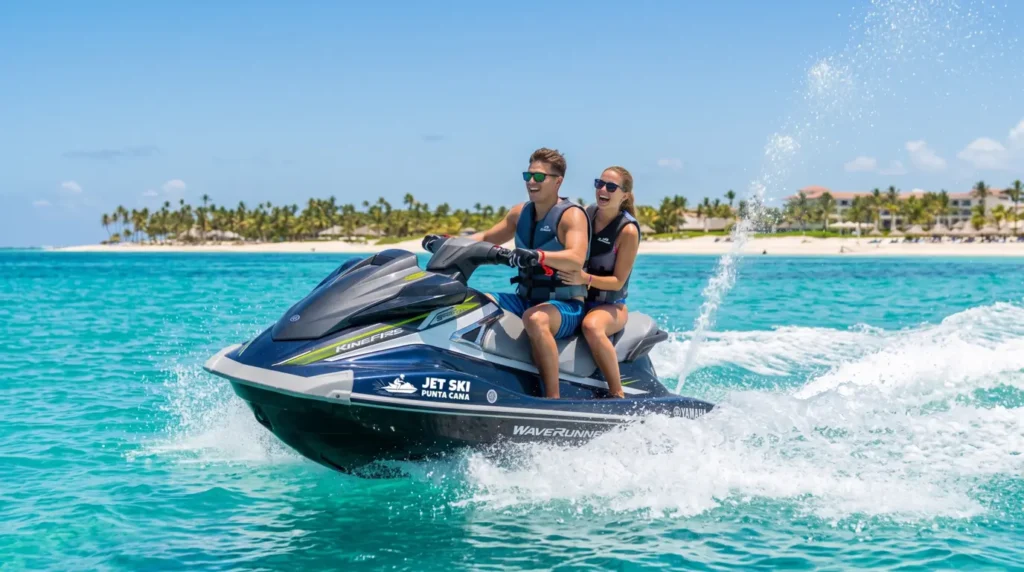
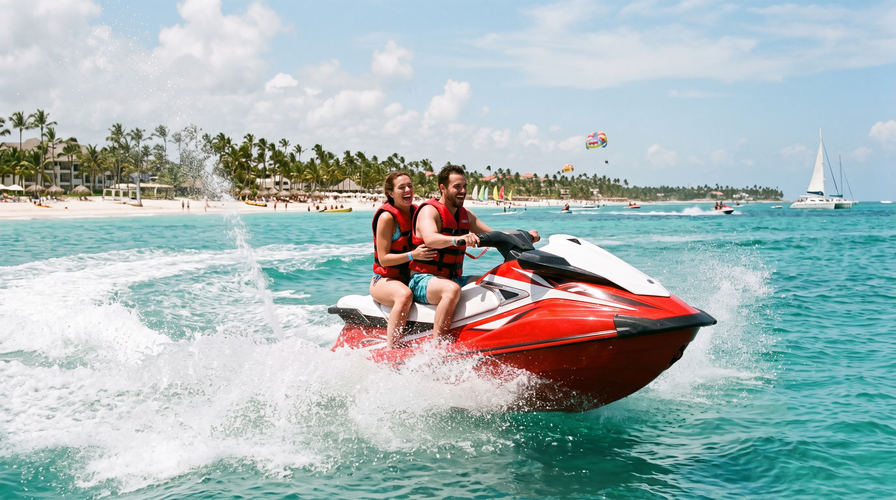
You can spend your morning parasailing above the coastline and your afternoon ripping through the waves. Our team specializes in buggy, jet ski, and aqua kart combo tours, allowing you to mix dirt trails with open-water throttle time in a single day. The sheer volume of professional, heavily insured, and safety-certified excursion operators here makes it an adrenaline junkie’s paradise.
Nightlife in Santo Domingo leans heavily into urban sophistication and local flavor, featuring quiet rooftop cocktail bars, underground salsa clubs, and corner colmados. Punta Cana delivers massive, high-production tourist entertainment and internationally recognized superclubs.
If you want to sip an aged rum on a quiet Spanish plaza while listening to live acoustic guitar, Santo Domingo wins. But if you want a sensory overload, you head east.
Punta Cana's high-energy nightlife is legendary. Venues like Coco Bongo offer Vegas-style acrobatic shows mixed with nightclub pacing. You can also party inside a massive underground cavern at Imagine Cave Club, or hit beachfront bars where you can dance in the sand until 4 AM.
For families, couples, and first-time international visitors, Punta Cana is significantly easier and safer to navigate. It features a controlled environment built entirely around tourist comfort, whereas Santo Domingo requires the standard situational awareness needed in any major global city.
Punta Cana’s economy relies on keeping visitors happy and safe. The area boasts heavily tailored tourist safety infrastructure, including dedicated tourist police (POLITUR) patrolling the beaches. English is spoken almost everywhere, and transit between the airport and hotels is highly regulated.
Santo Domingo is a real, working city. While the Zona Colonial is very secure, wandering outside the tourist corridors at night requires caution. We always recommend checking the official U.S. State Department travel guidelines before planning a city-heavy itinerary, just to understand which neighborhoods to avoid.
Let’s break down the specific lifestyle factors that will ultimately sway your decision.
There is no contest here. Punta Cana holds the crown for the best beaches in the country. The sand is powder-soft, the water is a brilliant turquoise, and the palm trees provide natural shade. Santo Domingo has no beaches within the city limits; locals have to drive east to Boca Chica or Juan Dolio for a swim.
Santo Domingo takes this category effortlessly. It is the cultural heartbeat of the nation. However, Punta Cana still offers genuine cultural touchpoints if you know where to look. You can book cultural safari excursions to local cacao farms, roll cigars with locals, or eat authentic mofongo at independent off-resort restaurants.
Both destinations offer incredible value, but in different ways. Santo Domingo gives you cheap urban transit (Uber is very affordable) and inexpensive local street food. Punta Cana provides vacation options for every budget. You can spend thousands on a luxury Cap Cana villa, or you can rent a cheap Airbnb in Los Corales and eat two-dollar empanadas on the beach.
Five years ago, Santo Domingo was the only choice for digital nomads needing fast internet. That has completely changed. Punta Cana’s cafes, co-working spaces, and rental apartments now frequently feature high-speed fiber optic or Starlink connections. You can comfortably take a Zoom call from Bávaro in the morning and hit the waves by lunch.
The two cities are connected by the Autopista del Coral, a modern, well-maintained toll highway. The drive takes approximately 2.5 hours, making travel between the two destinations incredibly easy for day trips or split itineraries.
You do not have to choose just one. Many travelers fly into one airport and out of the other.
If you plan on driving from Santo Domingo to Punta Cana, renting a car is straightforward. The highway is safe, fully paved, and heavily traveled. You will need local currency (pesos) for the toll booths along the route. Alternatively, the Expreso Bávaro luxury bus line runs multiple times a day between the two cities for under $10 USD, offering air conditioning, Wi-Fi, and comfortable seating.
Structuring your time correctly ensures you don't burn out on travel days. Here is how we recommend planning your trip based on your available timeline.
If your absolute priority is deep historical research, museum hopping, and navigating a complex urban environment, Santo Domingo is a fantastic destination.
But if you are looking for the complete Caribbean package, the choice is obvious. Punta Cana offers an unmatched combination of stunning white-sand shorelines, safe and accessible tourist infrastructure, and explosive aquatic adventures. When planning the perfect Caribbean timeframe, most travelers simply want to escape the grind, feel the sun, and have fun. Punta Cana delivers exactly that, without the stress of city logistics.
Don’t just sit on the sand watching everyone else have fun—ride the waves!
Make your 2026 Dominican vacation truly unforgettable by getting off the resort property and experiencing the ocean firsthand. Whether you want to carve through the chop at top speed or explore the coastline on a guided adventure, we have the gear ready. Lock in your dates and book your thrilling Jet Ski tours with Jet Ski Punta Cana today. The water is waiting.
We have a total of 8 jet skis, perfect for up to 14 participants.
Tour duration is approximately 4 hours and includes round-trip hotel transportation.
Available from Wednesday to Sunday, with departures at 9:00 AM and 2:00 PM.
Pick-up times may vary depending on your hotel location, typically 1 hour before the activity starts.