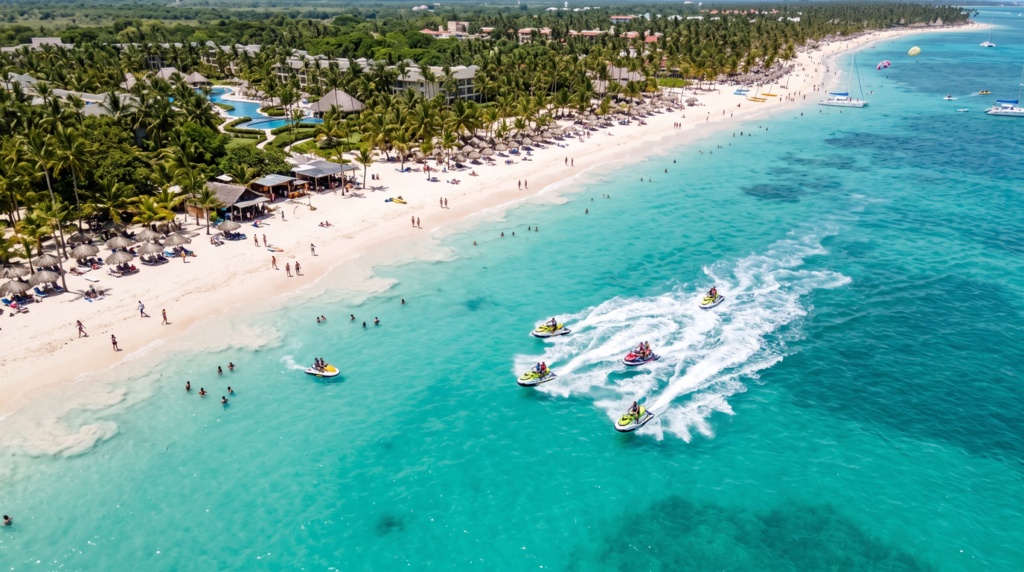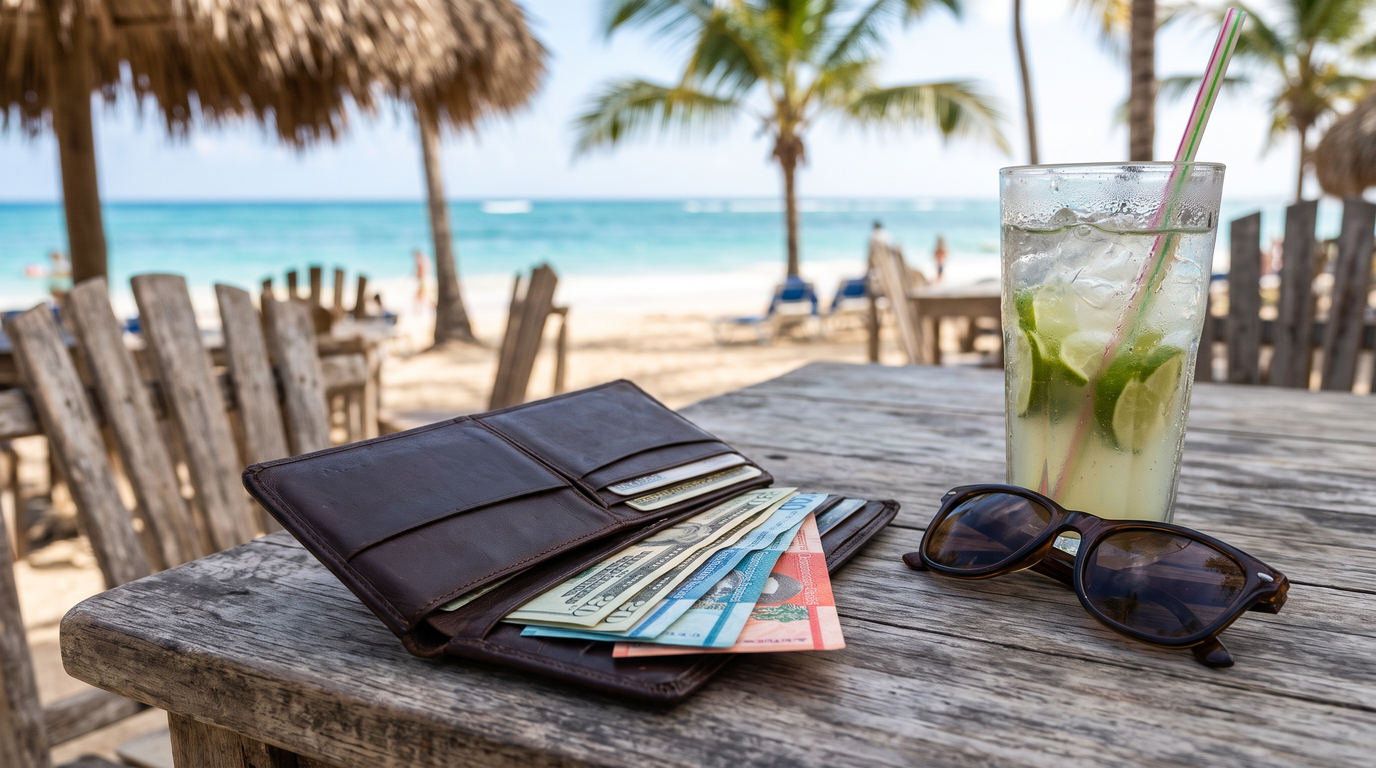
Quick Overview: The official Punta Cana currency is the Dominican Peso (DOP), but US Dollars (USD) are widely accepted across resorts, tourist shops, and excursion companies. For the best financial experience, bring USD in small denominations for tipping, and exchange a small amount of cash into local pesos for local street vendors and public transit.
You booked the flights. You packed your sunscreen. Now you are staring at your wallet wondering exactly how to pay for things when you land. Figuring out Punta Cana money logistics can feel confusing, but it does not have to be. We handle thousands of tourists every single year, and the questions are always the same. Do they take cards? Should you carry cash? What exactly is the standard for tipping in Punta Cana?
This guide breaks down every financial detail you need for 2027. Whether you are mapping out your things to do in Punta Cana itinerary or just want to avoid hefty ATM fees, we have you covered.
The official dDominican Republic currency is the Dominican Peso. Understanding the basics of this money will save you from common billing mistakes and currency confusion at restaurants.
The Dominican Peso symbol is "RD"orfrequentlyjust"". This creates immediate confusion for tourists. A restaurant menu showing a steak for "$900" means 900 pesos, not 900 US Dollars. Always verify which currency a menu or price tag references before handing over a payment method.
Dominican banknotes come in denominations of 50, 100, 200, 500, 1000, and 2000 pesos. You will handle the 100, 200, and 500 notes the most. The 2000 peso note is the largest bill, and breaking it at a small local shop or beach stand is notoriously difficult. Ask for smaller bills whenever you visit an exchange counter.
You will find coins in 1, 5, 10, and 25 peso values. As a tourist, these coins are essentially useless. Most vendors round up or down to the nearest bill. Do not worry about carrying heavy pockets full of change. If you receive coins as change from a supermarket, drop them in a local tip jar or charity box on your way out.
Figuring out USD vs Dominican Pesos in Punta Cana depends entirely on where you plan to spend your day. There is no single rule for the whole island. If you are building out your Punta Cana travel guide itinerary, you need a mixed strategy.
| Location / Service | Best Currency to Use | Why? |
| All-Inclusive Resorts | USD | Resort staff prefer US dollars for tips. |
| Tour Excursions | USD or Credit Card | Operators price major tours in US dollars natively. |
| Local Supermarkets (Jumbo, Pola) | Dominican Pesos | Better exchange rates applied at the register. |
| Street Vendors & Local Transit | Dominican Pesos | Vendors rarely have exact change for large US bills. |
| Souvenir Shops | Dominican Pesos | Paying in USD often subjects you to a poor store conversion rate. |
US dollars rule the resort bubbles. Bartenders, housekeeping staff, and bellhops actively prefer USD tips because the currency holds strong value. You can easily use USD to book major activities like boat trips Punta Cana or private airport rides.
If you step off the resort property to grab a local lunch, ride a motoconcho (motorcycle taxi), or do some shopping in Punta Cana for authentic coffee and cigars, pesos are your best friend. Local businesses accept USD, but they will dictate the conversion rate on the spot. You will almost always lose money on that transaction.
Resorts gladly accept your US cash to settle a room bill or buy items at the gift shop. However, hotels set their own internal exchange rates. This rate is historically terrible. A hotel might convert your dollars at 50 pesos per dollar while the actual bank rate is closer to 60. You lose a percentage of your purchasing power simply for the convenience of paying at the front desk.
Leave Canadian Dollars and Euros at home, or swap them before you arrive. While local exchange bureaus accept them, the conversion rates are awful. If you are wondering what is the best currency to bring to Punta Cana, the answer is unequivocally the US Dollar.
Tourists consistently get caught off guard by restaurant bills in the Dominican Republic. When budgeting for your trip, you must factor in local government taxes. The official Dominican Republic Ministry of Tourism mandates specific surcharges on hospitality services. Whether you are dining in a luxury marina or comparing local food costs across Puerto Plata vs Punta Cana, these taxes apply.
ITBIS is the standard Dominican value-added tax (sales tax). It sits at 18% and applies to almost all goods and services, including restaurant meals, retail items, and tour operator packages. High-end restaurants sometimes display menu prices without this 18% tax included. Always ask if the menu price has taxes included (impuestos incluidos) before you order.
By law, restaurants add a 10% "Propina Legal" to your bill. This is a mandatory service charge. However, this 10% rarely goes directly into the pocket of the waiter who served you; it is often pooled or used to subsidize wages. Because of this, it is highly expected that you leave an additional 5% to 10% in cash on the table directly for your server.
If you need physical pesos, where you acquire them dictates how much money you lose in the process. Understanding the Punta Cana exchange rate landscape saves you heavy fees. Check current live exchange rates on your phone before stepping up to any counter so you know the baseline.
Walking into a major bank like Banco Popular or BanReservas guarantees the most accurate, secure exchange rate possible. You will need your physical passport to complete the transaction. We recommend reading up on regional differences like Punta Cana vs Santo Domingo banking access, but in general, the Bavaro area has plenty of safe bank branches.
Standalone exchange bureaus, commonly found in shopping plazas like San Juan Shopping Center or Downtown Mall, offer highly competitive rates. They are fast, require less paperwork than banks, and give you a fair market rate.
Never exchange large sums of money at your hotel front desk. They charge massive convenience premiums. The rate you get at the resort will easily be 10% worse than what a local bank offers. Use the hotel desk only in absolute emergencies.
Getting currency exchange Punta Cana Airport services is easy, but expensive. Airport kiosks exist to capture unprepared tourists. The fees are high. Exchange a maximum of $20 to $50 USD here just to tip your driver when you grab your Punta Cana airport transfers, and wait until you reach a local bank to change the rest. For more on navigating arrivals, check our full Punta Cana airport guide.
Finding ATMs in Punta Cana is not difficult, provided you know where to look. Getting cash directly from an ATM using a debit card with no foreign transaction fees is often the absolute cheapest way to get Dominican Pesos.
Stick to ATMs attached directly to major banks. Banco Popular, BanReservas, and Scotiabank machines are reliable and properly maintained. We see many visitors debating Cap Cana vs Punta Cana for convenience; both areas have secure, air-conditioned bank vestibules with functioning ATMs.
You will find the safest machines in BlueMall, Downtown Mall, and inside major grocery stores like Super Pola. Avoid standalone ATMs tucked into dark corners of dive bars or small gas stations. If the Punta Cana weather turns rainy, head to the indoor malls for safe, dry cash withdrawals.
Local machines restrict how much cash you can pull in a single transaction. Most top out at 10,000 to 20,000 pesos (roughly $170 to $340 USD) per withdrawal. The local bank will hit you with an access fee of roughly $3 to $5 USD, plus whatever out-of-network fee your home bank charges.
Skimmers exist here just like they do back home. Wiggle the card reader before inserting your plastic. Cover the keypad with your free hand when typing your PIN. If the machine looks tampered with, walk away and find a different bank.
Paying with plastic is the standard for high-end dining, excursions, and resort charges. Using credit cards in Punta Cana offers consumer protection and prevents you from carrying dangerous amounts of cash.
Visa and Mastercard are universally accepted anywhere a card machine exists. American Express is a different story. Outside of luxury resorts and premium restaurants, Amex is widely rejected due to high merchant fees. Always carry a Visa or Mastercard as a backup.
Before you fly, verify that your credit card has zero foreign transaction fees. Standard cards will charge you an extra 3% on every single swipe you make outside your home country. Over a week-long vacation, that adds up to a massive unnecessary expense.
This is the most common legal way tourists lose money. When a waiter hands you the card machine, the screen might ask if you want to pay in US Dollars or Dominican Pesos. This is the dynamic currency conversion dcc scam Punta Cana vendors use. ALWAYS choose to pay in the local currency (Pesos). If you select USD, the local machine invents a terrible conversion rate and overcharges your card.
Contactless payments are growing rapidly. In 2027, you can comfortably tap your phone at modern supermarkets, pharmacies, and high-end retail stores. However, small beach bars, independent drivers, and local corner stores (colmados) still rely entirely on physical cards or cash.
The beach is a terrible place to carry a thick wallet. When organizing water sports Punta Cana activities, smart travelers minimize cash exposure.
The absolute safest way to book activities is online with a credit card before you even step on the sand. Whether you want a simple ride or full catamaran tours Punta Cana, booking securely through an official website prevents beach hustlers from upcharging you or vanishing with your cash deposit.

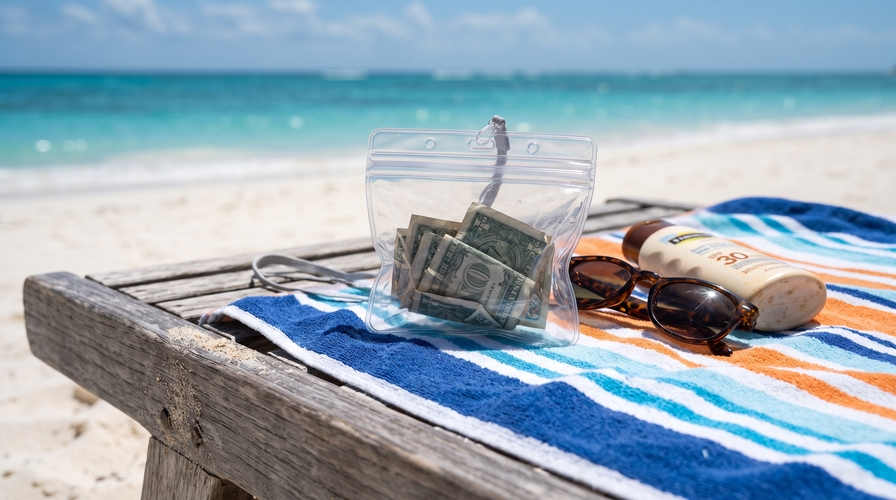
You still need a few small bills for the beach to buy a fresh coconut or tip your parasailing crew. Buy a waterproof, floating pouch that seals tight. Wear it under your rash guard or secure it to your life jacket.
Hospitality workers in the Dominican Republic rely heavily on gratuities. Minimum wage is low, and your tips make an incredible difference.
Remember the 10% Propina Legal tax mentioned earlier. On top of that mandatory charge, leave an extra 10% in physical cash on the table for the actual waiter.
If you want to know how much to tip jet ski crew in Punta Cana, standard practice is $5 to $10 USD per person for a short excursion. For a half-day adventure like the aqua splash trio pack, budget $10 to $20 USD for the guide.
Both are perfectly fine, but resort workers highly prefer USD bills because they retain their value. However, NEVER tip in foreign coins (US quarters, loonies, or euros). Banks in the DR do not exchange foreign coins, making them entirely worthless to the worker.
Determining your daily cash needs depends on your travel style. While figuring out the best time to visit Punta Cana, calculate a rough cash baseline based on these tiers.
If you stay at a basic hotel, eat at local Dominican cafeterias, and use public transit, this covers your food, transport, and simple beach activities.
This covers mid-tier restaurants, private taxi rides, and a scheduled excursion like a buggy and jet ski package Punta Cana. You will use your credit card for the big purchases and keep this cash for daily spending.
If you are hopping between luxury beach clubs, dining at fine steakhouses in Cap Cana, and handing out generous tips, keep a solid reserve of cash handy.
If you are wondering how much cash to bring to Punta Cana all inclusive, the answer is roughly $100 to $150 USD per person, per week, exclusively in $1 and $5 bills. Since your food and drinks are prepaid, this cash is strictly for tips, airport porters, and small souvenirs.
The Dominican Republic is heavily policed for tourist safety, but financial opportunists exist. Stay sharp.
If an ATM eats your card or freezes, and a friendly stranger immediately steps in to "help" by asking you to type your PIN again, refuse. Cancel the transaction, take your card, and walk away. They are trying to memorize your PIN.
As mentioned earlier, a menu showing ""withoutspecifyingUSDorRD" without specifying USD or RD"withoutspecifyingUSDorRD is a trap. You eat a meal expecting a 500 peso bill, and the manager demands 500 US dollars. Clarify the currency before you sit down.
Men standing outside grocery stores aggressively waving calculators will offer to exchange your dollars. Decline immediately. They use sleight-of-hand tricks to shortchange you during the physical bill swap. Only use official banks or Casas de Cambio.
To ensure your funds stay secure, follow this basic checklist while determining is Punta Cana safe to visit with large amounts of cash.
Never leave your wallet, passport, or backup cash sitting in your suitcase. Lock your bulk cash and backup credit cards inside your room safe. Only carry the exact cash you plan to spend that specific day.
Log into your banking app and set a travel alert for the Dominican Republic. If you fail to do this, your bank’s fraud algorithm will likely instantly freeze your card the moment you buy a coffee at the airport.
Go to your local bank before flying and ask for a stack of $1 and $5 bills. Breaking a $100 bill in Punta Cana is incredibly frustrating, and local vendors rarely have enough change. Small bills are the ultimate convenience.
Do not risk carrying hundreds of dollars onto a windy beach. Secure your spot in advance by booking a jet ski and aqua kart package Punta Cana directly through our platform. Jet Ski Punta Cana guarantees transparent pricing, zero hidden taxes, and no surprise exchange rate fees on the beach. You lock in your adventure safely with your credit card, allowing you to hit the water stress-free.
The official currency is the Dominican Peso (DOP). However, US Dollars (USD) are widely accepted at resorts, tourist attractions, and major supermarkets.
You can i use US dollars everywhere in Punta Cana? Not everywhere. While resorts and tour operators gladly accept USD, rural areas, local corner stores, and public transit drivers strongly require local Dominican pesos.
The Dominican peso exchange rate usd fluctuates daily, but currently hovers between 58 and 60 pesos for every 1 US Dollar. Always check live market rates before exchanging large amounts.
Standard tipping involves leaving 1-2 for bartenders per round, 2-5 daily for housekeeping, and a 10% extra cash tip for restaurant waiters on top of the mandatory tax.
Most traditional street taxis are strictly cash only. You can use credit cards natively through the Uber app, which operates well in the Bavaro and downtown tourist corridors.
Yes, ATMs and exchange kiosks exist at the airport. However, the machines often dispense large bills, and the exchange kiosks offer notoriously poor conversion rates.
No. You should i exchange money before going to Punta cana? Absolutely not. Your home bank will give you a terrible exchange rate. Bring US Dollars and exchange them at a local bank in the DR.
No, the is Dominican peso the same as mexican peso question is common, but they are entirely different currencies with vastly different values. Do not bring Mexican pesos to the DR.
You cannot avoid all fees, but to figure out where to exchange money in Punta Cana without fees (or the lowest possible margins), visit local branches of Banco Popular or BanReservas with your passport.
If you are wondering what currency do Punta Cana casinos accept, major resort casinos heavily prefer US Dollars for table buy-ins and slot machines, though you can use pesos.
Yes, you can i use US dollars in Punta Cana easily. It is the dominant secondary currency. Just carry small bills ($1, $5, $10) to avoid receiving change back in pesos at a poor exchange rate.
We have a total of 8 jet skis, perfect for up to 14 participants.
Tour duration is approximately 4 hours and includes round-trip hotel transportation.
Available from Wednesday to Sunday, with departures at 9:00 AM and 2:00 PM.
Pick-up times may vary depending on your hotel location, typically 1 hour before the activity starts.