Quick Overview: For families visiting the Dominican Republic, the top activities include shallow snorkeling at Bavaro sandbars, off-road buggy excursions, and interactive wildlife encounters at Monkeyland. The best jet ski Punta Cana tours cater strictly to older kids and teens, while toddlers are better suited for catamaran cruises to Saona Island or resort-based water parks. Always verify exact age and weight limits before booking.
Parents ask us this every day. You want to book an unforgettable Caribbean vacation, but finding activities that keep a moody teenager entertained while remaining safe enough for a four-year-old is a massive headache. We get it.
Most travel blogs spit out the same generic advice. They skip the hard facts—like exact height limits, motion sickness realities on boats, and whether your toddler can actually handle a bumpy mud-trail ride. We operate on the water here daily. We see what actually works for families.
If you are currently mapping out the ultimate list of things to do in Punta Cana for your upcoming trip, you need actionable, ground-truth data. Let’s break down the 15 absolute best activities for families, separated by age groups, thrill levels, and real-world safety parameters.
You did not fly all the way to the Caribbean just to sit by the pool. When it comes to water sports Punta Cana, the region offers some of the most accessible family thrills in the world.
Age Limit: Drivers must be 18+. Passengers can generally be 10+, depending on sea conditions.
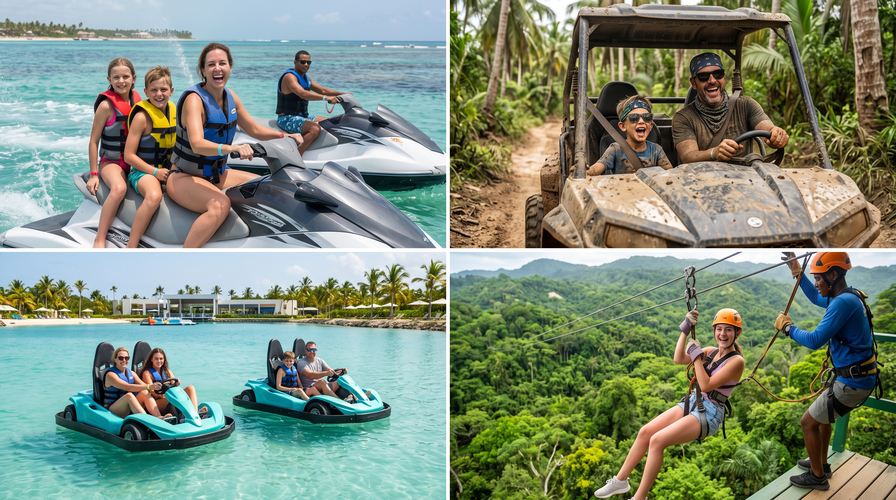
Finding the best jet ski punta cana tour with kids requires knowing the local water zones. You want calm, flat water, not heavy ocean chop. Riding behind a parent on a jet ski gives kids a massive adrenaline rush without requiring them to steer. The salt spray, the roar of the engine, and the sheer speed make this a top-tier activity for pre-teens and teenagers. We heavily recommend booking morning slots before the afternoon trade winds pick up.
Age Limit: Drivers 18+. Passengers typically 4+ (but we recommend 6+ due to the bumps).
If you want to get dirty, book a buggies punta cana tour. These open-air vehicles tear through local farm backroads, splash through massive mud puddles, and usually stop at a cenote (cave pool) to wash off.
Parent Warning: It gets incredibly dusty. Buy cheap bandanas and sunglasses for the kids before you go. If you have teenagers who want speed on the water right after the mud, book a combined buggy and jet ski package Punta Cana to knock out both environments in one chaotic, perfect afternoon.
Age Limit: Generally 10+ to ride in a double kart.
Imagine Mario Kart, but on a pristine Caribbean lake. An aqua kart punta cana tour is ideal for kids who love speed but might be intimidated by the open ocean. These motorized watercraft look like go-karts and operate on a controlled, flat-water circuit.
You can easily spend a full day at Caribbean Lake Park, letting the kids race while you relax. For families wanting maximum value, reserving a jet ski and aqua kart package Punta Cana covers both enclosed lake racing and open ocean riding.
Age Limit / Weight Limit: Kids usually need to be 6+ years old. Weight limits run roughly from 44 lbs (minimum) up to 285 lbs (maximum).
You cannot research punta cana excursions with kids without seeing jungle zip-lines. You will hike up into the Anamuya Mountains and strap into tandem or single lines over the forest canopy.
Zipline age and weight restrictions Punta Cana: Children as young as six can participate in most Punta Cana zipline tours, provided they meet the minimum weight requirement of 44 pounds (20 kg). Lighter children may stall on the lines, so guides often ride tandem with them. The maximum weight limit strictly caps at 285 pounds (129 kg) for harness safety.
For families wanting more nature and less gasoline, the marine life here delivers. If your kids love getting wet, checking out an aqua splash Punta Cana mixed package or hitting the coral reefs is mandatory.
Age Limit: All ages (Toddler-friendly).
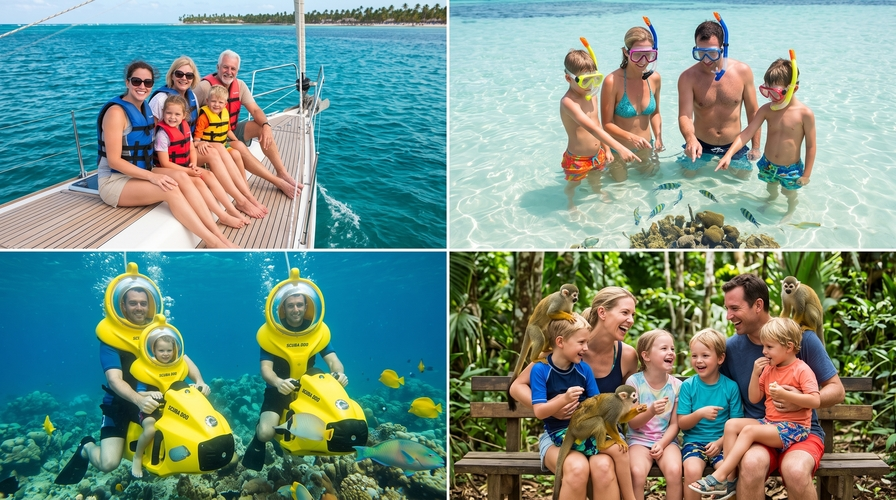
Taking a Saona Island day trip is the most popular excursion in the country. You board a large, stable catamaran, sail out to a remote island, and stop at a waist-deep natural pool filled with starfish.
Is Saona Island safe for kids? Yes, Saona Island is highly safe for kids of all ages. The natural pools are waist-deep and incredibly calm, making them perfect for toddlers. However, the boat ride takes roughly 90 minutes each way, so parents should pack strong sunblock, shade hats, and motion sickness bands for younger children.
Before booking, read our complete guide on Saona Island to ensure the travel time fits your child's patience level.
Age Limit: 4+ (Requires basic swimming ability, though life jackets are provided).
Booking punta cana snorkeling tours is a low-stress way to introduce kids to marine life. Look for operators that stick to the Bavaro reef. These family friendly snorkeling sandbars punta cana are protected by a natural barrier reef, meaning zero aggressive waves. The kids will see Sergeant Majors, butterflyfish, and maybe a harmless stingray gliding along the bottom.
Age Limit: 8+ years old.
If your kids are fascinated by the ocean but aren't ready to learn traditional scuba diving, the scuba doo underwater scooter punta cana experience is brilliant. You sit on a motorized scooter with a glass helmet over your head that pumps in fresh air. Your head stays completely dry, you can wear your glasses, and you just steer around the reef like an underwater motorcycle.
Age Limit: All ages.
Hidden up in the mountains, Monkeyland is a supervised sanctuary where tiny squirrel monkeys climb right onto your shoulders to eat from your hands. It is a massive hit with younger children.
Monkeyland Punta Cana Peanut Allergy Safety: Monkeyland Punta Cana poses a high risk for visitors with severe, airborne peanut or tree nut allergies. The primary food provided to guests to feed the squirrel monkeys consists of sunflower seeds, peanuts, and fruit. If your child carries an EpiPen for severe nut allergies, you must bypass this specific tour to ensure their medical safety.
Break up the beach days with some authentic Dominican culture.
Age Limit: All ages.
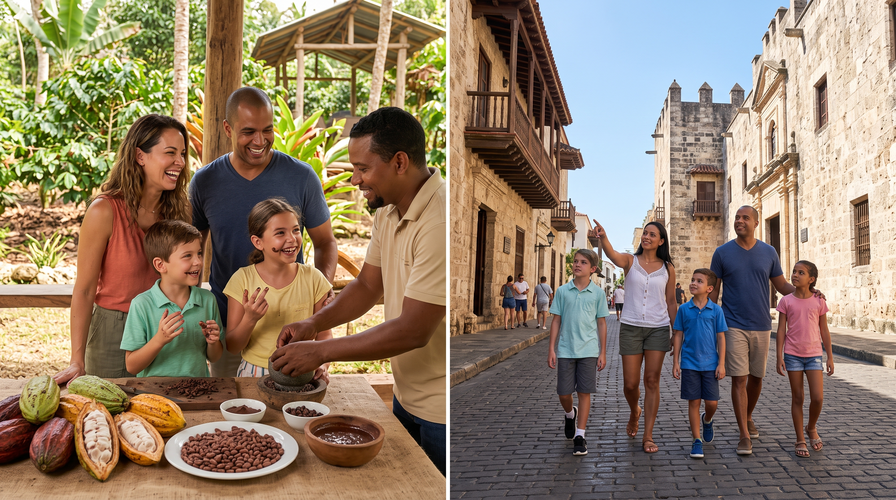
A chocolate and coffee tour Dominican Republic is a sensory dream for kids. They get to see exactly how cocoa pods are cracked open, taste raw chocolate straight from the bean, and watch the roasting process. It involves light walking, plenty of tasting samples, and gives them a genuine look at local farming beyond the resort walls.
Age Limit: Recommended 10+ due to the long bus ride.
A santo domingo day trip from punta cana means a roughly 2.5-hour drive each way. It is a long day for toddlers. But for older kids studying history, walking through the First City of the Americas—seeing the first cathedral and ancient pirate forts—is visually stunning. Review our checklist of things to do in Santo Domingo Dominican Republic before committing to the transit time.
Sometimes the best tours in punta cana are the ones that combine multiple thrills into a single afternoon so you can get back to the buffet.
Age Limit: 14+ for driving, 10+ for passengers.
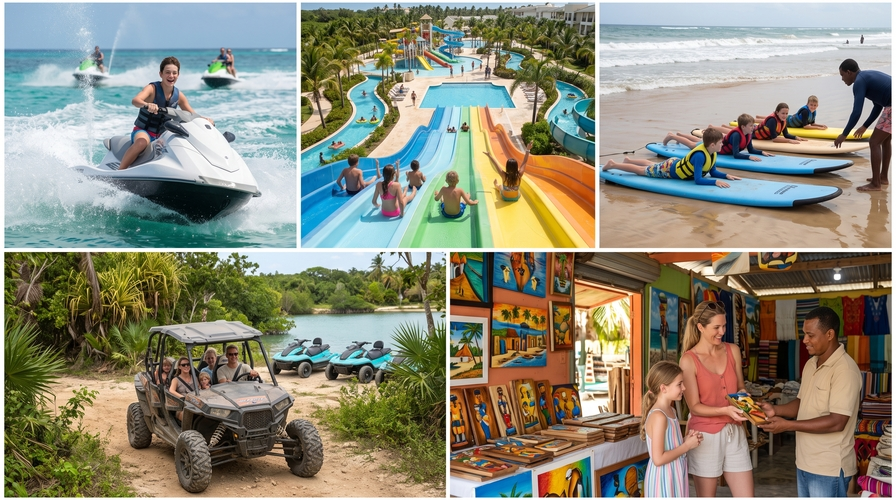
Teenagers get bored easily. Don't book one activity; book three. Grabbing an aqua splash trio pack lets them rip through the mud on buggies, race on aqua karts, and hit the open water on jet skis all in one day. The result? Happy, exhausted kids who will sleep soundly that night.
Age Limit: Toddler to Teen depending on the slide height requirements.
You can save a fortune on excursions simply by picking the right hotel. Many top family resorts in punta cana now feature massive on-site waterparks. From lazy rivers for the parents to high-speed drop slides for the teenagers, checking into one of the top Punta Cana resorts with water park guarantees free daily entertainment right outside your hotel room door.
Age Limit: 6+ with strong swimming skills.
Unlike the flat waters of Bavaro, Macao Beach has actual waves. It is the premier spot for surf schools. The instructors are incredibly patient, using foam boards to push kids into the whitewater. Spend the morning at Macao Beach Punta Cana taking lessons, and eat fresh fried fish on the sand for lunch.
Age Limit: Varies by specific vehicle.
If you have a child who hates the ocean but loves action, blend land and lake. Booking an aqua kart and buggy package Punta Cana keeps them entirely away from the open ocean waves. They get the dirty, rugged fun of the mud buggies and the secure, contained excitement of the lake karts.
Take the kids out of the resort bubble to practice their Spanish and negotiate for local crafts. Whether it is a hand-painted wooden turtle or a jar of fresh Dominican vanilla, guiding them through the vibrant vendor stalls makes for a great cultural afternoon. Read up on the best Punta Cana souvenirs to avoid cheap imported plastic and find authentic local goods.
Use this data table to quickly match your family’s demographics with the right activity.
| Excursion / Activity | Minimum Age to Participate | Physical Intensity Level | Best Suited For |
| Saona Island Catamaran | All Ages | Low (Relaxing) | Toddlers, Multigenerational |
| Snorkeling Sandbars | 4+ (with life vest) | Low to Medium | Young Children |
| Monkeyland Tour | All Ages | Low (Walking only) | Animal Lovers (No Nut Allergies) |
| Zip-Lining Canopy | 6+ (Min 44 lbs) | Medium (Heights involved) | Adventurous Kids & Teens |
| Off-Road Buggy Tours | 4+ (Passenger) / 18+ (Driver) | High (Bumpy, Dirty) | Older Kids & Teens |
| Jet Ski Rentals | 10+ (Passenger) / 18+ (Driver) | High (Fast, Ocean chop) | Thrill-Seeking Teens |
| Scuba Doo Scooters | 8+ | Medium | Tweens & Teens |
Packing for a family of four requires strategy. Knowing the things to know before visiting punta cana with kids will save you massive headaches upon arrival.
Is the water safe to drink in Punta Cana? No, tap water in the Dominican Republic is not safe to drink. Families must use bottled water for drinking, mixing baby formula, and brushing teeth. All reputable resorts provide ample bottled water and use purified water to wash their raw salads and make their ice, ensuring resort dining is perfectly safe for kids.
You also need to evaluate general safety. While the resorts are heavily guarded, tourists often wonder, is Punta Cana safe to visit when leaving the hotel? Yes, provided you use officially licensed tour operators and avoid wandering unlit beaches at night. For official family travel entry requirements, always verify your passport validity via the Dominican Republic Ministry of Tourism.
The Caribbean sun does not care about your SPF 15. You need reef-safe SPF 50, UV-blocking rash guards, and wide-brim hats. Sun poisoning will ruin a vacation by day two. According to health guidelines from the CDC, protecting young skin and staying hydrated in tropical environments requires constant monitoring.
Also, knowing the best time to visit Punta Cana dictates your itinerary. If you travel in August, expect short afternoon rain showers. If you travel in January, the water is calm and the heat is perfectly balanced.
1. What is the best age to take kids to Punta Cana?
Children between the ages of 6 and 14 get the highest value out of Punta Cana. At this age, they are old enough to participate in ziplining, buggy tours, and snorkeling, but still young enough to be entertained by resort water parks and evening beach shows.
2. Do kids need a passport to go to Punta Cana?
Yes. Every single traveler, including infants and toddlers, requires a valid passport to enter the Dominican Republic. The passport must remain valid for the entire duration of your stay.
3. Are car seats required in Punta Cana?
While Dominican law technically requires child seats, enforcement in private taxis and shuttles is incredibly loose. If you are booking private airport transportation, you must explicitly request a car seat from the company in advance, or bring your own travel car seat on the airplane.
4. Can my 16-year-old drive a Jet Ski in the Dominican Republic?
No. Maritime law and local insurance regulations mandate that all drivers of motorized watercraft, including jet skis and aqua karts, must be at least 18 years old with a valid ID. A 16-year-old may ride as a passenger with an adult.
Quick Overview: What are the best things to do in Punta Cana for couples? For couples visiting the Dominican Republic in 2026, the best things to do in Punta Cana combine high-speed ocean adventures with secluded romantic escapes. Top recommendations include tandem coastal runs with jet ski Punta Cana, private speedboat tours to Saona Island, and sunset catamaran cruises. Honeymooners maximize value by booking multi-activity water sports combo packages directly through local operators to avoid crowded resort markup fees.
Spending seven days trapped at a swim-up bar gets old fast. You didn't fly all the way to the Caribbean just to fight over pool chairs. You want action. You want memories that actually look good off-camera.
Our on-the-ground operational data shows that couples who leave the resort property report a 40% higher satisfaction rate with their vacations. Finding the perfect balance between adrenaline-pumping water sports Punta Cana and quiet, romantic isolation is the secret to a perfect trip.
Here is the definitive breakdown of how to build an unforgettable itinerary.
| Activity Type | Adrenaline Level | Romance Factor | Ideal Time of Day | Average Duration |
| Jet Ski Coasting | High | Medium | 9:00 AM (Calm water) | 1 - 2 Hours |
| Saona Island Speedboat | Medium | Very High | Full Day | 8 - 10 Hours |
| Off-Road Buggies | High | Low | Mid-day | 3 - 4 Hours |
| Sunset Catamaran | Low | Very High | 4:30 PM | 3 Hours |
| Private Photoshoot | Zero | Maximum | Sunrise / Sunset | 1 - 2 Hours |
Mixing adrenaline into your romantic getaway rapidly accelerates bonding. Shared thrills trigger dopamine. Fast-paced excursions like wave riding and muddy off-roading act as highly effective ways to build unforgettable vacation memories far away from the standard resort buffets.
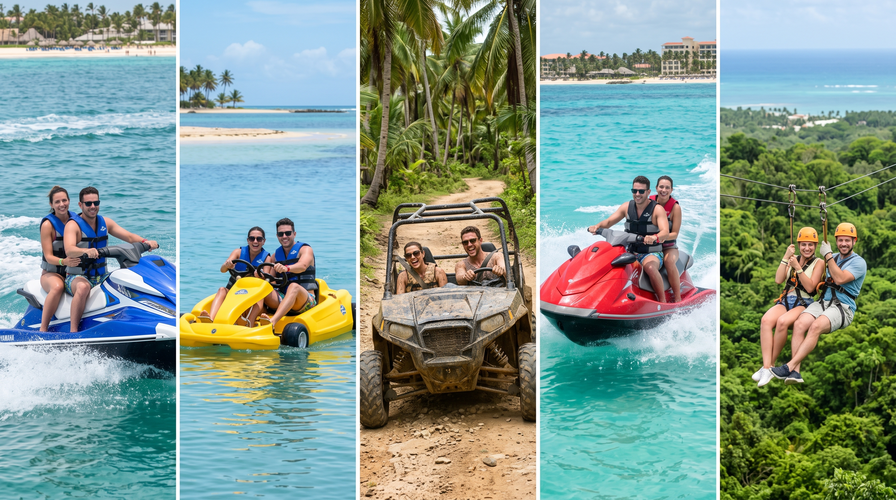
A couples jet ski tour in Punta Cana provides an unguided, high-speed coastal ride along Bávaro Beach. Renting a high-horsepower Yamaha Waverunner allows couples to swap driving responsibilities, navigate the open ocean swell, and view the resorts directly from the water.
Hit the throttle. Feel the hull smack the open chop. Nothing beats the pure freedom of skipping across the turquoise water on a 300-horsepower machine. We always recommend booking morning slots. The ocean trade winds haven't kicked up yet, giving you glass-like surface conditions. It’s just you, your partner, and miles of uninterrupted coastline.
Aqua Karts are low-profile, catamaran-style watercraft controlled by a steering wheel and foot pedal, mimicking the feel of a go-kart on the ocean. They offer a highly stable, completely unique racing experience for couples seeking competitive water sports without needing heavy balance skills.
Think F1 racing, but on the Caribbean Sea. If you want a break from traditional wave riding, you need to look into a jet ski and aqua kart package Punta Cana. You sit low to the water. The turning radius is razor-sharp. You can race your partner side-by-side or share a double-seater for a shared adrenaline rush. If you really want to maximize your time, the aqua splash Punta Cana half-day passes give you unlimited access to these karts.
Off-road buggy tours take couples deep into the Dominican countryside, navigating muddy jungle trails, visiting local coffee plantations, and ending with a wash-off swim at the rugged Macao Beach.
Prepare to get incredibly dirty. This isn't a luxury ride. It’s loud, it’s muddy, and it’s an absolute blast. You will tear through back-country trails surrounded by lush palm groves. We highly advise pairing this with ocean activities. Booking a buggy and jet ski package Punta Cana lets you spend the morning eating dirt on the trails and the afternoon washing the mud off at 40 miles per hour on the ocean.
The best value for couples is a multi-activity combo package. Combining buggies, jet skis, and aqua karts into a single half-day itinerary saves up to 30% on standard booking rates while eliminating the hassle of organizing separate hotel transfers.
Do it all in one shot. If you want absolute maximum value for your time off the resort, grabbing the aqua splash trio pack is the smartest move. Why waste three different days coordinating pick-ups in the lobby? Alternatively, an aqua kart and buggy package Punta Cana hits the sweet spot for couples who want to mix jungle mud with high-speed ocean turns in a single, perfectly paced afternoon.
Ziplining in Punta Cana offers couples a panoramic canopy tour through the Anamuya Mountains. With dual side-by-side cables, couples can race each other across valleys spanning up to 800 meters long.
Step off the platform and let gravity do the work. The Anamuya mountain range offers a massive shift in scenery from the coastal beaches. The air is cooler up there. The forest is thick. Racing your partner side-by-side across a massive jungle gorge is a massive rush.
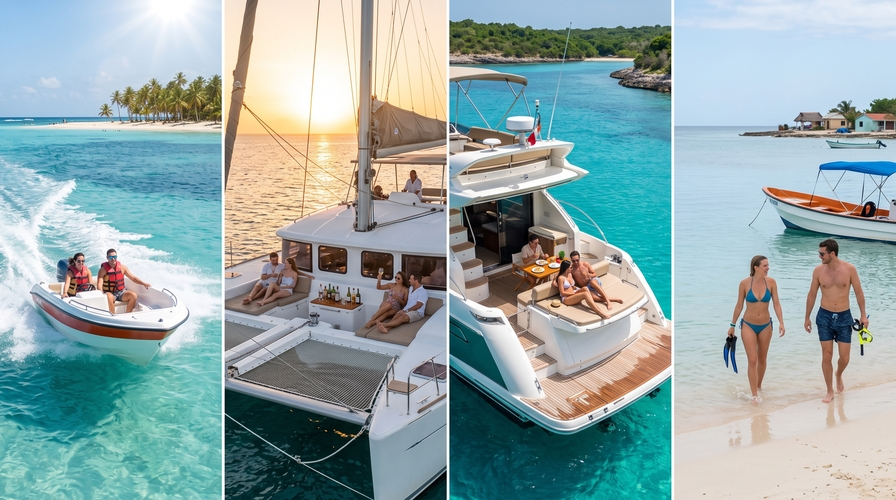
Upgrading to a private boat tour removes the crowds and guarantees intimacy. Chartering personal speedboats or yachts allows couples to dictate their own pace, choose secluded snorkeling spots, and access exclusive island beaches without dealing with large tourist groups.
A private speedboat charter to Saona Island is the ultimate VIP couples trip. It bypasses the slow, crowded catamarans, allowing couples to reach secluded beaches faster and enjoy custom-catered lunches right on the sand.
Skip the party boats. Saona Island is gorgeous, but the massive double-decker boats ruin the romance. By chartering a small, fast private boat, you beat the crowds to the island. You get the pristine white sand all to yourself for a few hours. Just be aware of the strict Cotubanamá National Park guidelines—this is a protected ecological reserve, so touching the starfish in the natural pools is strictly prohibited.
Sunset catamaran tours offer a relaxed, low-impact evening on the water. They feature smooth sailing, open bars, and a stop at a shallow natural sandbar pool to watch the sun drop behind the palm trees.
The ocean turns completely gold at 5:00 PM. The music slows down. The rum punch starts flowing. Standing chest-deep in an ocean sandbar with a drink in your hand while the sky turns purple is a mandatory Caribbean experience.
Renting a private yacht in Punta Cana provides ultimate luxury for honeymoons or anniversaries. Fully crewed yachts come with custom menus, premium liquor, and access to exclusive coastal anchoring spots for private swimming.
If you are celebrating a massive milestone, this is how you do it right. No waiting in lines. No fighting for deck space. You have a captain, a first mate, and a completely private floating villa.
Bayahibe is a quiet fishing village located 45 minutes south of Punta Cana. Taking a day trip here offers couples access to the calm, wave-free waters of the true Caribbean Sea, perfect for paddleboarding and quiet beach lounging.
Bávaro faces the Atlantic, which means beautiful, crashing waves. Bayahibe faces the Caribbean Sea, which means the water looks like a giant swimming pool. It’s calm, flat, and highly isolated.
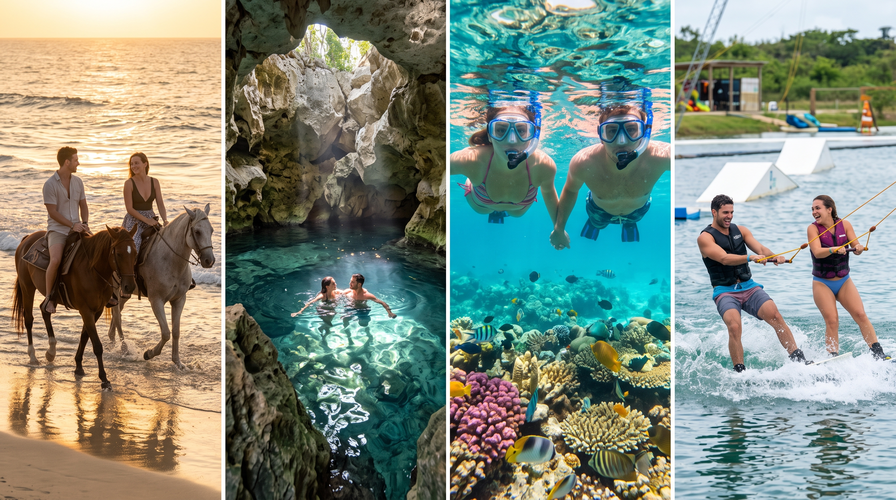
True immersion means stepping outside your comfort zone. Engaging in unique outdoor activities—like exploring ancient freshwater caves or riding horses at sunset—forces couples to interact with the island's natural geography in highly memorable ways.
Macao Beach is one of the only public beaches in the region that allows horseback riding. Couples can take a slow, guided ride along the surf as the sun sets, creating an incredibly cinematic and romantic atmosphere.
The horses are well-trained. The guides take a step back. Walking down an empty stretch of wild beach with the waves crashing right next to the horses feels like a scene pulled straight out of a movie.
The Dominican Republic is built on porous limestone rock, creating hidden underground caves filled with crystal-clear, cold freshwater. Swimming in these cenotes offers couples a refreshing, visually stunning break from the hot sun.
The water inside these caves is shockingly cold, and completely clear. Floating in an underground cavern with natural sunlight piercing through a hole in the ceiling is surreal.
Coastal snorkeling tours drop couples directly over vibrant reef systems. Floating hand-in-hand above coral heads allows you to spot stingrays, parrotfish, and sea turtles in their natural habitat.
The marine life here is highly active. Strap on the mask, hold hands, and just float. It’s silent, peaceful, and visually incredible.
Caribbean Lake Park is a structured, man-made water park featuring cable wakeboarding, floating obstacle courses, and zip-line drops into the lake. It is ideal for highly active couples who want structured, competitive fun.
If you are the kind of couple that likes to compete, you will love this. Watching your partner absolutely wipe out on a wakeboard cable is guaranteed to get a laugh.
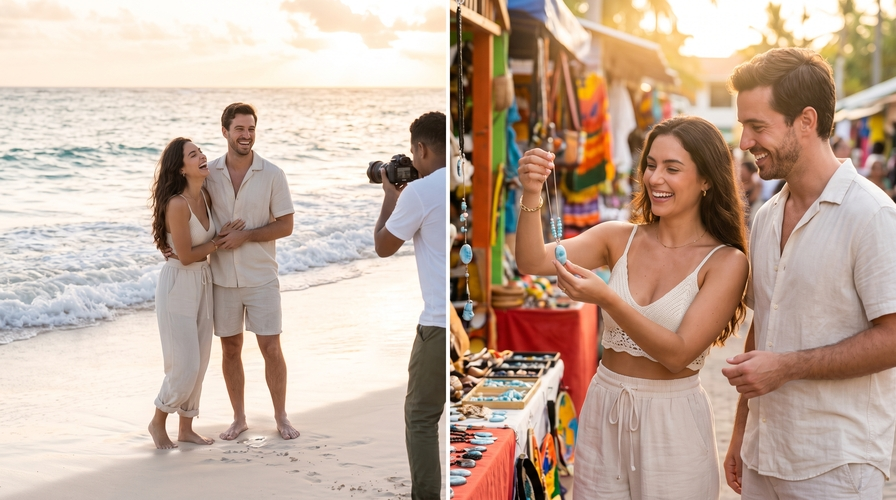
Balancing out the heavy action with cultural immersion and professional documentation ensures your trip has lasting value. Bringing home physical memories—whether through local goods or professional photography—solidifies the experience.
Hiring a local photographer for a one-hour golden hour beach shoot ensures you return home with high-quality, framed-worthy memories of your trip, completely eliminating the stress of asking strangers to take photos on your phone.
Selfies are terrible at capturing the landscape. A pro knows the lighting, the angles, and the exact spots to stand. If you want more general advice on navigating the area for the best backdrops, check out our list of things to do in Bavaro Punta Cana. We heavily suggest booking these shoots early in the trip so you have a tan, but aren't sunburnt yet. Check out our comprehensive Punta Cana travel tips to avoid looking red in your expensive photos.
Leaving the hotel gift shop to buy authentic Mamajuana, raw cacao, and Larimar stone jewelry from local artisans supports the local economy and provides couples with genuine, high-quality mementos.
The hotel shops will rip you off. Period. Get out into town. Learn how to haggle slightly (with a smile). If you want to know exactly what is worth buying and what is a cheap import, read our guide on authentic Punta Cana souvenirs.
Don't settle for a mediocre vacation. You control the pace of your trip. Whether you are tearing through the mud on an ATV, racing a Yamaha Waverunner down the coastline, or drinking rum out of a coconut on a private catamaran, Punta Cana delivers exactly what you ask of it.
Lock in your dates. Pre-book your combos directly. Get out on the water.
The most affordable water sports option for couples in Bavaro Beach is booking a multi-activity combo pass. Bundling a jet ski rental with a buggy tour or aqua karts through a direct operator cuts costs by roughly 30% compared to purchasing single activities at the resort excursion desk.
Yes, Punta Cana offers numerous adults-only activities. You can charter private 18+ yachts with premium open bars, book late-night dinner shows like Coco Bongo, or schedule secluded couples massages directly on the beach away from the loud family zones.
The best time for a couples trip is during the dry season from December through April. However, to avoid heavy crowds while keeping great conditions, aim for shoulder months. You should constantly monitor official Dominican Republic tourism resources for local event updates.
Weather vastly shifts your excursion strategies. A quick rundown on timing:
Choosing the best Dreams resort in Dominican Republic depends entirely on your travel crew. For families wanting massive water parks, Dreams Macao Beach is the undisputed winner. For couples seeking a quiet, luxury escape with zero crowds, Dreams Cap Cana takes the top spot.
If you are planning a trip to the Dominican Republic, the Hyatt Inclusive Collection (formerly AMR Collection) dominates the landscape. They operate multiple all-inclusive properties here, all under the "Dreams" banner. It gets confusing fast. You look at the map and see six different resorts scattered across the coastline. Which one actually fits your style?
We operate daily water excursions across these very beaches. We know which resorts have the clearest water, which ones handle the sargassum season best, and which lobbies offer the easiest pickup logistics for off-site adventures.
Let’s break down exactly how to choose the right property for your 2026 vacation.
The "best" property depends on whether you prioritize beach quality, airport transfer times, or massive entertainment pools. Dreams Macao Beach ranks highest for active families due to its sprawling water park. Dreams Cap Cana offers the most premium, secluded experience for adults and couples. Meanwhile, Dreams Royal Beach sits right in the center of the action for travelers who want immediate access to off-site nightlife and local dining.
To help you decide, our team built a direct comparison matrix based on 2026 ground-truth data.
| Resort Name | Target Vibe | Beach Condition | Airport Transfer Time | Best Feature |
| Dreams Macao Beach | High-Energy Families | Active waves, great surfing | 40 Minutes | Massive water park & lazy river |
| Dreams Cap Cana | Quiet Luxury / Couples | Calm, protected, seaweed-free | 15 Minutes | Secluded Juanillo Beach access |
| Dreams Onyx | Multi-Generational | Golden sand, rolling waves | 45 Minutes | Free access to adult-only Breathless |
| Dreams Royal Beach | Social / Thrill Seekers | White sand, active water sports | 25 Minutes | Walking distance to local nightlife |
| Dreams Flora | Budget-Friendly Family | Protected cove, heavy flora | 20 Minutes | Compact, easy-to-navigate layout |
| Dreams Dominicus | Explorers / Divers | Crystal clear Caribbean sea | 50 Minutes (to PUJ) | Proximity to Saona Island tours |
Comparing the best resorts in Dominican Republic means looking past the marketing photos. You need to know the reality of the sand and the logistics of your stay.
When traveling with children, you need easy access to food, engaging pools, and entertainment that actually keeps them occupied so you can grab a drink. If you are asking which Dreams resort in Punta Cana is best for families with kids, two properties consistently outperform the rest.
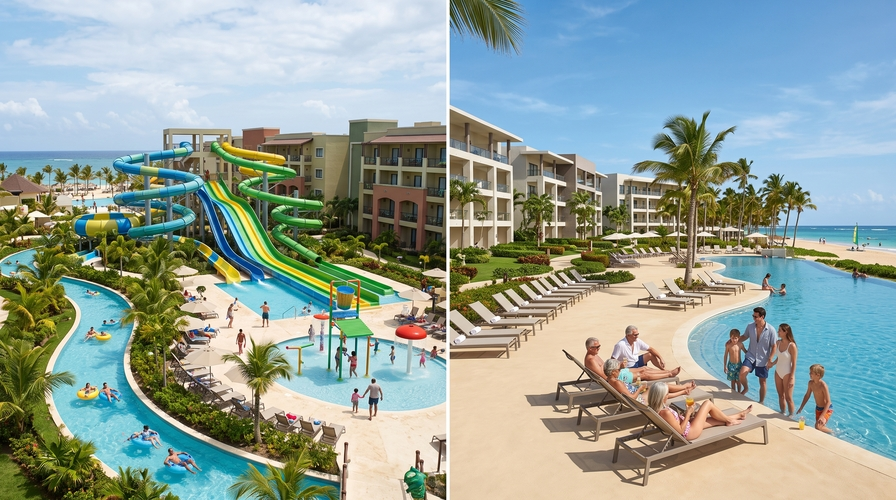
Located on the northern stretch of the coast, Dreams Macao Beach is a massive, self-contained playground. If you are specifically hunting for a Dreams resort Punta Cana with water park and lazy river, you book this one. Full stop.
The Dreams Macao Beach water park slides are not those tiny, plastic playground additions you find at older hotels. They feature towering, high-speed body slides, a multi-lane racer, and a sprawling lazy river that winds through the back of the property. Your kids will vanish for hours.
The beach here is distinct. Macao Beach is public and completely natural. It faces the Atlantic, meaning you get real waves. It’s perfect for boogie boarding and beginner surfing. However, the strong undertow means you need to keep a close eye on young swimmers.
Situated in the Uvero Alto region, Dreams Onyx Resort & Spa strikes a unique balance. It caters heavily to families but offers incredible perks for the adults. The property underwent a massive expansion recently, adding a jungle-themed water park and family suites that actually provide enough square footage for a family of four to breathe.
One massive advantage here? Adults staying at Onyx get free, unrestricted access to the adult-only Breathless Punta Cana Resort right next door. You can drop the kids at the Explorer’s Club, walk across the property line, and enjoy a quiet, premium cocktail at a sophisticated swim-up bar.
When you want to book fun things to do in Punta Cana with kids, the Onyx lobby is a standard, easy pickup zone for local tour operators. From here, heading out for a 4-hour Aqua Splash Pack is seamless.
You want a getaway without screaming toddlers splashing your lounge chair. While the Dreams brand is inherently family-friendly, certain properties limit the chaos and prioritize upscale dining, spa services, and premium beach cabanas.
If you want the most romantic Dreams resort Punta Cana for couples, look straight at Cap Cana. This is an exclusive, gated community located just south of the airport. It feels entirely different from the rest of the coast.
The standout feature is Juanillo Beach. The water here is incredibly calm, shallow, and bright turquoise. Because of the way the bay curves, this specific beach is highly resistant to the seaweed in Punta Cana that occasionally plagues the eastern shores during the summer months.
You spend your days floating in pristine water, ordering drinks to your Bali bed, and enjoying high-end dining. It’s quiet. It’s upscale. It’s the closest thing to a pure adult-only vibe you can get at a family-branded resort.
Dreams Royal Beach sits right on the famous Bavaro Beach. This is the spot for couples who want energy. If you like leaving the resort property to explore, this is your headquarters.
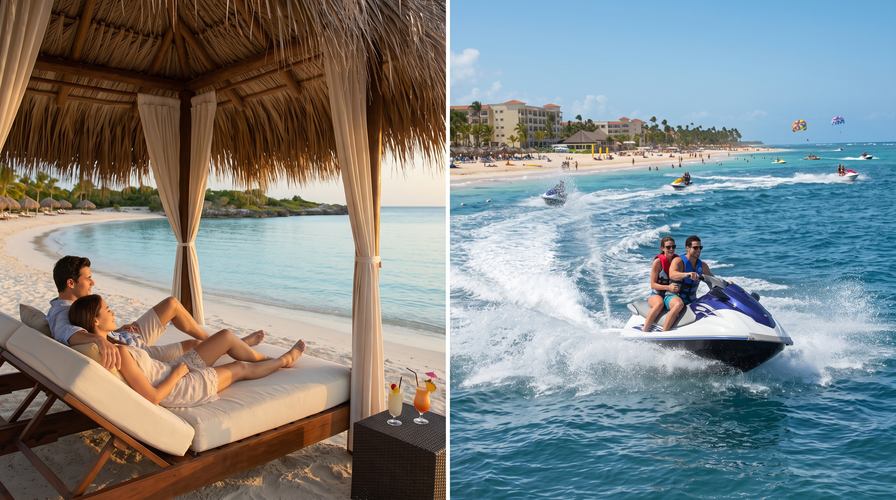
Because of its central location, Dreams Royal Beach Bavaro Beach water sports are unmatched. You walk right out to the sand and immediately access parasailing, catamaran cruises, and local vendors. It also puts you minutes away from the best things to do in Bavaro Punta Cana, including off-site restaurants, cigar lounges, and the famous Punta Cana nightlife.
Couples who book here usually want action. They book our things to do in Punta Cana for couples guides, hit the local clubs, and spend their days recovering by the massive free-form pool.
The AMR collection extends beyond the main strip. If you want something slightly different, you have two other major options.
Located in Cabeza de Toro, Dreams Flora is one of the newer additions. It sits on a protected cove, keeping the water calm and swimmable year-round. It’s smaller and more compact than Macao or Onyx. You won't walk a mile just to get from your room to the breakfast buffet.
This location is highly convenient if you are looking for unique things to do in Punta Cana, as it places you closer to the Bavaro Lagoon and specific eco-tours.
Technically, this is not in Punta Cana. It’s located in Bayahibe, about 45 minutes south of the Punta Cana airport. We include it because many travelers fly into PUJ and drive down.
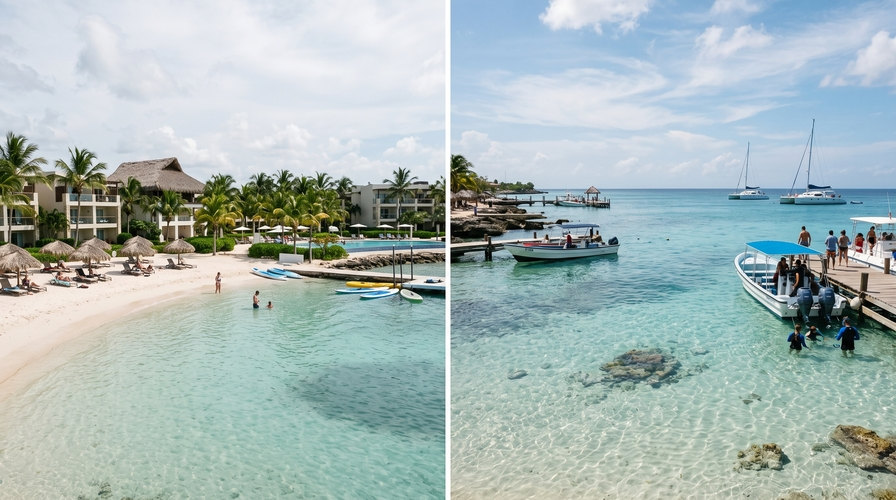
The Caribbean Sea side offers a completely different water experience. The ocean here is practically glass. It’s the top starting point for excursions to Saona Island and world-class scuba diving wrecks.
Yes, upgrading to the Preferred Club at a Dreams resort is worth the cost in 2026, primarily for the private beach access and the exclusive dining options.
Standard all-inclusive guests share the main pools and the main buffets. During peak season (December through April), securing a beach chair requires waking up at 6:30 AM. When you pay for the Preferred Club, you gain access to VIP lounges, top-shelf liquor that isn't poured at the standard bars, and—most importantly—dedicated beach areas with private wait service.
According to the official Hyatt Inclusive Collection tier structures, Preferred guests also receive upgraded bath amenities and personalized concierge check-in. If you hate waiting in lines, make the upgrade.
You can absolutely book excursions directly from the tour desks located inside the Dreams resort lobbies. However, you will pay a premium middleman markup, and you are usually restricted to massive, crowded group tours.
If you want an authentic, high-adrenaline experience, you book direct with local operators before you arrive. Our team handles logistics across all of these properties. Whether you are staying at Onyx or Cap Cana, organizing excursions and tours with pickups at Dreams Onyx resort (or any other property) is a standard part of our daily routes.
Don't spend seven days straight sitting by the same pool. The real Dominican Republic exists out on the water and deep in the jungle trails.
Our crew provides the absolute best water sports in Punta Cana. We don't pack you onto a boat with sixty other people. We focus on high-speed, controlled adrenaline.
If you want the ultimate half-day trip, our Aqua Splash Trio Pack dominates the local market. It combines three massive activities into one morning. You tear through the jungle mud trails, hit the open ocean, and race custom karts.
Want to customize the thrill? We offer dedicated combo packages designed for specific riding styles:
No matter which combo you pick, you ride with trusted local jet ski guides who prioritize your safety and your experience.
1. How far are Dreams resorts from Punta Cana Airport?
Dreams Cap Cana is the closest property, requiring only a 15-minute drive from Punta Cana International Airport (PUJ). Dreams Royal Beach and Dreams Flora take approximately 25 minutes. Dreams Macao Beach and Dreams Onyx are located further north, requiring a 40 to 45-minute highway transfer. Official flight and arrival data provided by the Dominican Republic Ministry of Tourism confirms these standard travel times.
2. Which Dreams resort in Punta Cana is best for families?
Dreams Macao Beach is the undisputed best property for families. It features the largest water park, a sprawling lazy river, a dedicated arcade, and an active beach perfect for older kids wanting to learn how to boogie board.
3. Which Dreams resort has a lazy river?
Dreams Macao Beach Punta Cana features a large, winding lazy river as part of its massive on-site water park.
4. Are the beaches at Dreams resorts good?
Yes, but they vary drastically by location. Dreams Cap Cana offers the calmest, clearest water with zero waves. Dreams Royal Beach offers classic white sand and busy water sports. Dreams Macao features golden sand and active, surfable waves. Check our guide on must-visit beaches in Punta Cana to see how they stack up against the rest of the island.
Quick Answer: Looking for the absolute best resorts in the Dominican Republic this year? We get it. Staring at hundreds of open browser tabs gets exhausting fast. If you want the bottom line right now: Eden Roc Cap Cana takes the crown for unmatched, zero-compromise luxury. Couples chasing pure quiet usually book the adults-only Excellence Punta Cana. Traveling with toddlers or teens? Hyatt Ziva Cap Cana is where you want to be.
The best overall resort in the Dominican Republic is Eden Roc Cap Cana. It consistently dominates the rankings because the service is hyper-personalized and the privacy is unmatched.
But let’s be honest. The "best" choice actually depends on what you want out of your vacation. Casa de Campo easily wins if you swing golf clubs for a living. Hyatt Ziva runs away with the trophy for family entertainment. Joia Bávaro is the undisputed king of beachfront adults-only access.
Choosing the right spot starts with understanding the physical layout of the island. Before you book a flight, pulling up a map of Punta Cana resorts makes it infinitely easier to visualize the driving distance between the airport runways, the soft sand, and the main excursions.
Skip the endless scrolling. Use this data table to quickly filter your options based on location, who you are traveling with, and the exact vibe you want.
| Resort Name | Location | Target Traveler | Vibe Check & Category |
| Eden Roc Cap Cana | Cap Cana | High-Net-Worth | Private Villas & Ultra-Luxury |
| Tortuga Bay Hotel | Punta Cana | Luxury Seekers | Quiet Designer Elegance |
| Zoëtry Agua Punta Cana | Uvero Alto | Wellness Focused | Zen & Exclusive All-Inclusive |
| Joia Bávaro by Iberostar | Bávaro Beach | Couples | Premium Adults-Only |
| Excellence Punta Cana | Uvero Alto | Honeymooners | Romantic & Secluded |
| Secrets Royal Beach | Bávaro Beach | Social Adults | High-Energy Beachfront |
| Hyatt Ziva Cap Cana | Cap Cana | Families | Modern, Active & Upscale |
| Sunscape Puerto Plata | Puerto Plata | Budget Families | Active All-Inclusive |
| Nickelodeon Hotels | Uvero Alto | Families with Kids | Water Parks & Character Fun |
| Casa de Campo | La Romana | Golfers & VIPs | Massive Luxury Golf Resort |
| Dreams Dominicus | La Romana | Foodies | Gourmet All-Inclusive |
| Majestic Colonial | Arena Gorda | Budget Travelers | Affordable All-Inclusive |
| Whala! Boca Chica | Boca Chica | Local Explorers | No-Frills Beach Resort |
| Billini Hotel | Santo Domingo | History Buffs | Boutique Colonial |
| Hodelpa Nicolás de Ovando | Santo Domingo | City Travelers | 16th-Century Luxury |
Want five-star service, private villas, and absolutely zero crowds? Start here.
Travelers ask us all the time about the differences between private enclaves and the main, loud hotel strip. When you weigh Cap Cana vs Punta Cana, the answer usually comes down to gates. Cap Cana is a private, master-planned community. It feels intensely exclusive.
The eden roc cap cana luxury resort in punta cana redefines what Caribbean exclusivity actually looks like.
You don't just book a standard hotel room here. You secure a freestanding private villa. Think massive vaulted ceilings, your own private pool, and a personal golf cart parked out front to navigate the lush grounds. The sand on their private beach is powdery white. The water stays remarkably flat and calm.
It currently holds a highly coveted 5-star rating from the independent, notoriously strict inspectors at Forbes Travel Guide. That proves its status as a world-class property. If your budget allows for it, this is the ultimate tropical flex.
Designed by the late Oscar de la Renta, the tortuga bay hotel designer luxury resort in punta cana feels less like a hotel and more like a private Caribbean estate.
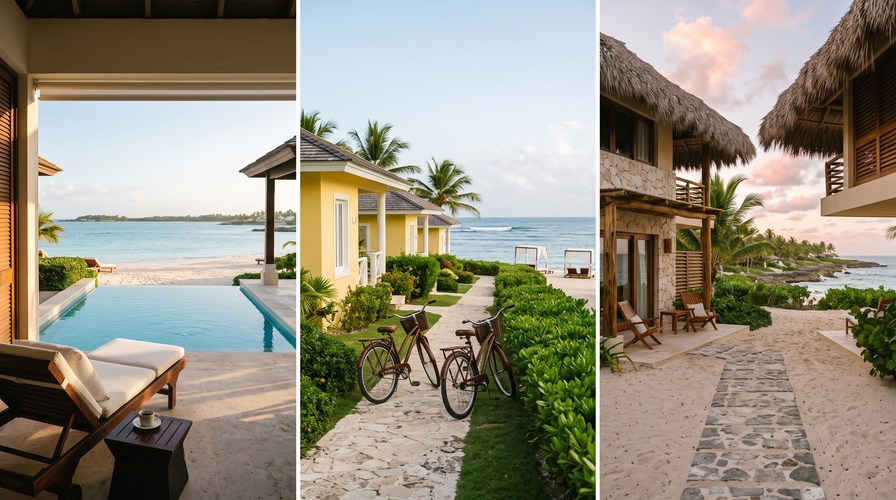
Bright yellow villas sit right on the edge of a pristine ecological reserve. The perks start before you even arrive. You get VIP airport service. That means a handler grabs your bags and walks you right past the massive immigration lines.
It’s completely quiet here. Hyper-personalized. Incredibly elegant. You will never find a loud foam party at this pool. Instead? Expect quiet mornings, perfectly manicured grass, and ridiculous ocean views.
For travelers who want wellness deeply woven into their vacation, the zoëtry agua punta cana exclusive all-inclusive delivers hard.
The architecture leans heavily into natural woods, stone, and thatched roofs. It blends seamlessly into the wilder, lush Uvero Alto coastline. It’s an incredibly intimate property. They threw out standard check-in times years ago. You show up when your flight lands, and you leave when you want.
Included horseback riding on the beach, complimentary 45-minute deep tissue massages, and actual top-shelf liquor make this a massive value for high-end travelers.
Sometimes you just need a vacation without dodging screaming toddlers at the breakfast buffet.
The Dominican Republic excels at adults-only properties. Finding a truly romantic setup is incredibly easy. If you are currently building a strict itinerary, checking out specific things to do in Punta Cana for couples helps you pair your quiet resort choice with the right offshore excursions.
The joia bávaro by iberostar adults-only resort sits on one of the widest, cleanest stretches of sand in the entire country.
The service here is incredibly sharp. You get full, unrestricted access to the other Iberostar properties on the massive complex. The catch? Those other guests cannot cross the line into Joia.
This means you get a quiet, exclusive sanctuary to retreat to after a chaotic day out on the water. The rooms are massive. The bartenders craft cocktails with genuine care instead of just pouring pre-mixed sugar into a plastic cup. The overall aesthetic is pure, refined relaxation.
Located up north in Uvero Alto, the excellence punta cana romantic adults only resort features classic colonial design and a massive, winding main pool.
The beach here has a bit more wave action. It feels wilder and more authentic than the flat waters down south. The food options are vast, and the late-night entertainment actually delivers a good time.
Planning to leave the resort for some adrenaline? Booking specific Excellence Punta Cana excursions guarantees you get picked up directly from their grand, sweeping lobby.
Secrets pulled off a massive renovation recently. The results are stunning.
If you love a modern, sleek aesthetic and want to step right from your patio directly into the water, book this place immediately. The demand for swim up rooms Punta Cana absolutely skyrocketed lately. Secrets offers some of the best pool layouts on the island to meet that demand.
The vibe here runs energetic. It’s definitely romantic, but it’s also highly social. Expect great DJ sets, lively swim-up bars, and an active evening scene.
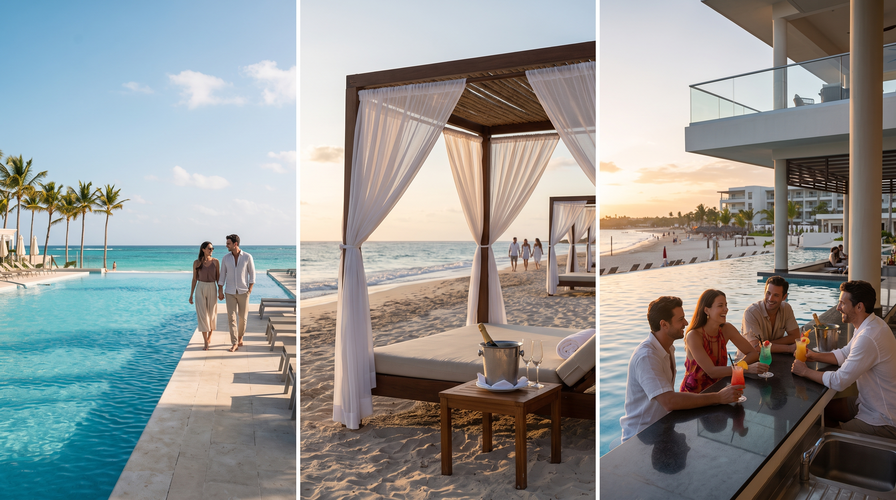
Traveling with kids requires serious logistics. You need endless activities, easy food options for picky eaters, and perfectly safe environments.
The dominican republic resorts in this category cater heavily to minimizing your stress while maximizing their fun. You want to balance pool time with offshore adventures, so digging into things to do in Punta Cana with kids is a highly recommended move before you fly.
The hyatt ziva cap cana family friendly resort is visually spectacular from the second you walk through the doors.
Set right on the edge of Juanillo Beach, it shares a massive, modern complex with the adults-only Zilara. The water park features a lazy river that is actually fun for adults. The kids' club is heavily supervised and deeply engaging.
The dining here easily ranks as the best in the family-inclusive tier. You aren't eating lukewarm, standard buffet food here. You get cooked-to-order steaks, fresh sushi, and incredible local seafood catches.
Debating between coasts? Analyzing Puerto Plata vs Punta Cana usually comes down to the physical landscape.
Puerto Plata offers sweeping mountains and amber-colored sand. The sunscape puerto plata family friendly all inclusive is a fantastic, high-energy property that absolutely won't break your bank account.
It pushes a core focus on water sports, daily beach activities, and exploring the northern coast's lush, jungle environment.
For pure, unadulterated kid joy, this is the spot.
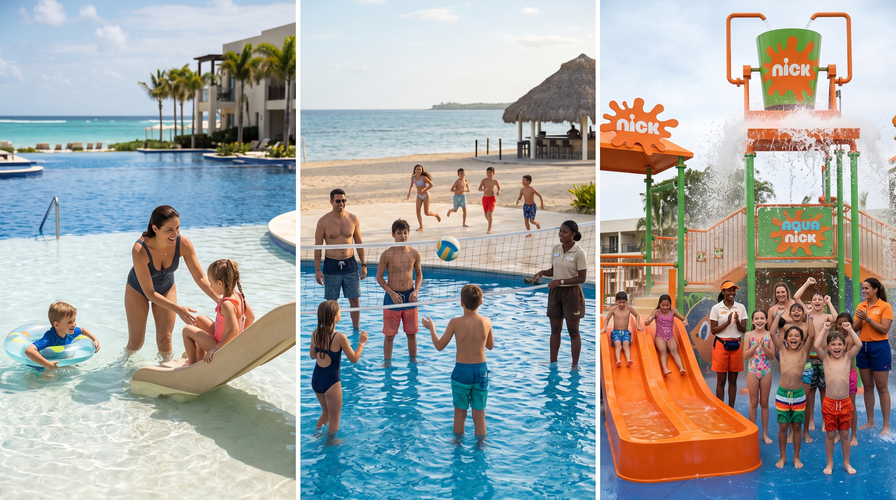
When exhausted parents search for Punta Cana resorts with water park access, Nickelodeon sits firmly at the top of the list. The Aqua Nick water park is massive. Yes, your kids can get slimed. Yes, giant characters walk around your table at breakfast.
But the real secret here? The food and room designs are surprisingly upscale. The parents get a luxury experience while the kids get the vacation of a lifetime.
Located in La Romana, the casa de campo resort & villas luxury golf resort is legendary.
This isn't just a normal hotel. It's a sprawling 7,000-acre complex featuring a replica 16th-century Mediterranean village (Altos de Chavón), an equestrian center, and a massive marina.
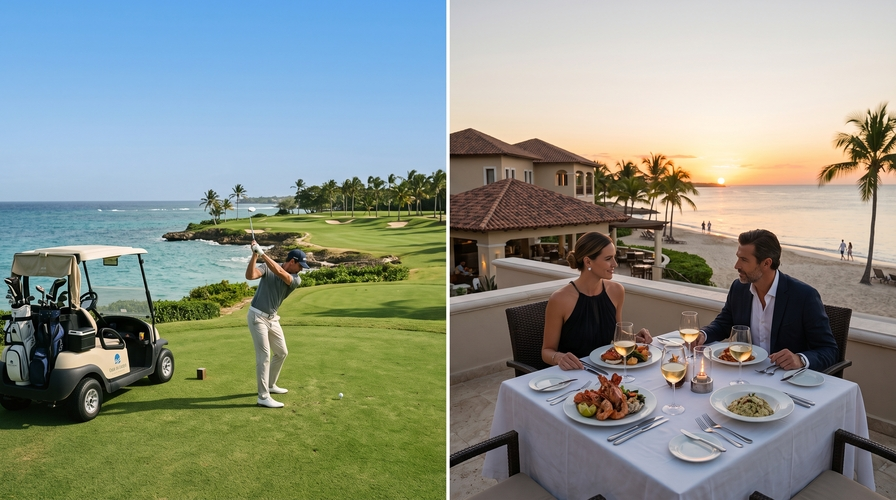
Most importantly? It houses Teeth of the Dog. That is the absolute best golf course in the Caribbean, period. You navigate the massive property via your own personal golf cart. It is vast, incredibly secure, and heavily favored by celebrities hiding from the paparazzi.
If you want calmer waters and incredible sunsets, point your compass toward La Romana.
The dreams dominicus la romana gourmet resort offers a slightly more European, laid-back vibe compared to the heavy, pulsing energy of Punta Cana.
The dining here is spectacular. You get authentic Italian, fantastic Asian fusion, and heavy Mediterranean influences. It’s a great mid-sized property. You won't get lost walking back to your room, but you'll never run out of distinct things to eat.
You absolutely do not have to spend five figures to enjoy the Caribbean.
There are plenty of punta cana resorts that offer fantastic value without sacrificing safety or beach quality.
Consistently recognized as one of the best affordable dominican republic all-inclusive resort options, Majestic Colonial delivers massive value.
The grounds are impeccably kept. The beach is wide and clean. The entertainment staff works incredibly hard to keep the energy up.
While the rooms lean a bit classic rather than ultra-modern, the sheer amount of food, drinks, and beach access you get for the price makes it a perennial favorite.
Are you specifically hunting for cheap Punta Cana resorts or budget options across the island? Whala! Boca Chica offers a radically different vibe.
Located much closer to Santo Domingo, this boca chica dominican resort sits on a famous, shallow-water bay. It is a no-frills, highly localized experience.
You'll hear loud music. You'll see a lot of local weekend traffic. You get a true, unfiltered taste of Dominican beach culture on a strict budget.
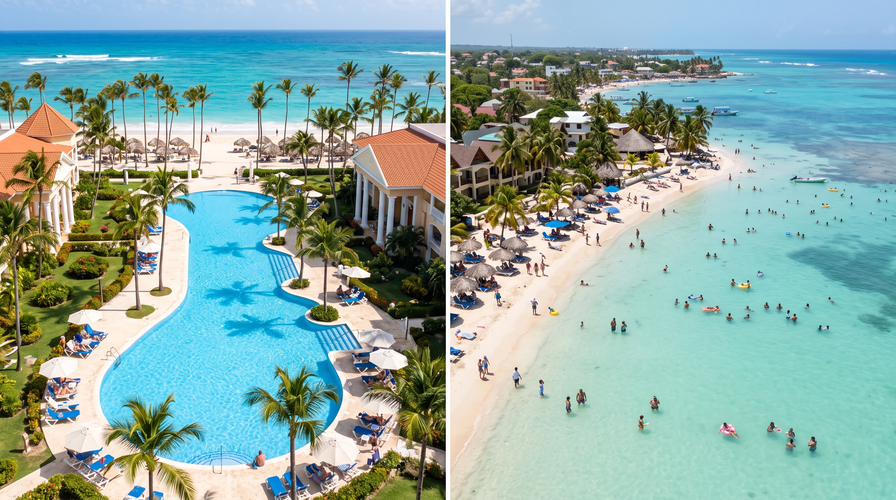
Not every trip has to revolve around an all-inclusive beach lounger.
Santo Domingo is the oldest European settlement in the Americas. Its colonial zone is packed tightly with intense history, incredible cigars, and stunning architecture.
The boutique historical resort in santo domingo experience is perfectly captured right here at the Billini Hotel.
Built straight into a 16th-century colonial building, this property features exposed brick, stark modern art, and a stunning rooftop pool overlooking the ancient city skyline. It’s chic, perfectly quiet, and steps away from the best restaurants in the capital.
Once the actual home of the original Spanish governor, this santo domingo city resorts standout drips with history.
The heavy stone walls, massive wooden doors, and open-air courtyards instantly transport you back in time. It sits right on Las Damas. That is literally the very first paved street in the New World.
It’s an essential stay for history buffs before heading out to the beaches.
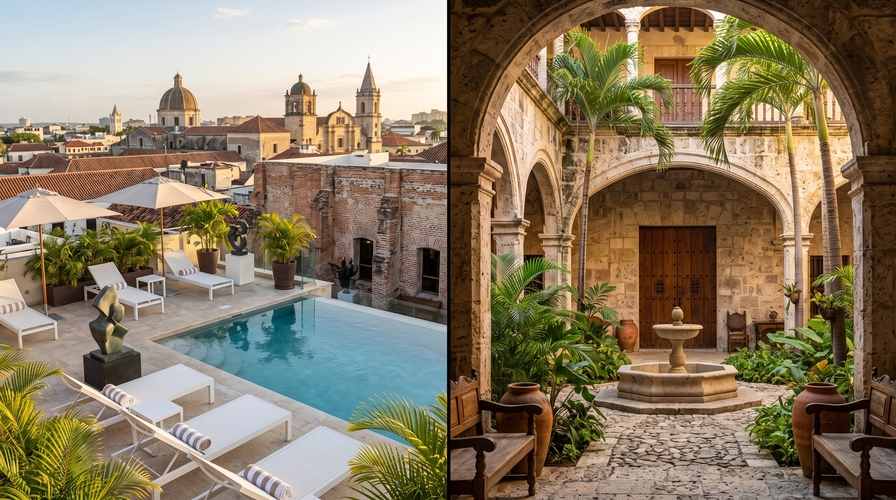
The best area to stay in Punta Cana and the wider Dominican Republic depends heavily on your trip goals. Cap Cana offers ultra-luxury and intense privacy. Bávaro Beach provides vibrant all-inclusive resorts and wide sandy shores. La Romana is ideal for calm, flat waters and world-class golf. Puerto Plata appeals heavily to budget-conscious adventure seekers who want to hike mountains.
Resorts located strictly on Bávaro Beach and Juanillo Beach in Cap Cana consistently offer the best beach experiences in Punta Cana. Properties like Joia Bávaro by Iberostar and Hyatt Ziva Cap Cana sit directly on wide, powdery white sand. The turquoise waters here are calmer, highly swimmable, and regularly cleared of natural sea debris by tractor crews every morning.
Yes, all-inclusive resorts in the Dominican Republic are highly worth the money due to the immense physical scale of the properties and the comprehensive value they provide. When you factor in unlimited dining, top-shelf liquor, daily entertainment, and included water sports, your upfront cost is almost always dramatically lower than paying out-of-pocket for individual meals and taxi rides.
The absolute best time to visit Punta Cana and the DR is between December and April. During these specific months, the weather is consistently sunny, the humidity drops to manageable levels, and rainfall is minimal. However, keep in mind this is peak season. That means higher room rates and much larger crowds at the resort pools.
Yes, Dominican Republic resorts are exceptionally safe. The country relies heavily on tourism dollars and employs specialized, highly trained tourist police (POLITUR) across all major resort zones. Gated properties enforce strict, 24/7 security protocols. You can review the latest official safety statistics and 2026 travel guidelines directly via the Ministry of Tourism (GoDominicanRepublic). To ensure your own peace of mind before booking, read up on exactly why the answer to "is Punta Cana safe to visit" is a resounding yes.
If you are trying to figure out where is Bavaro Beach located on a map, it sits firmly on the easternmost tip of the Dominican Republic in the Punta Cana region. It stretches for miles straight along the coast. It directly faces the intersection of the Atlantic Ocean and the Caribbean Sea, serving as the massive central hub for the majority of the area's top-tier resorts.
Most all-inclusive resorts freely include non-motorized water sports like ocean kayaking, snorkeling, and paddleboarding. You also get access to daily fitness classes, beach volleyball, and nightly theater shows. However, for motorized thrills and actual off-property exploration, you need to book specific tours and excursions with hotel pickup in Punta Cana to ensure safe, reliable transport away from the gates.
While the resorts themselves are fantastic, you miss the country's actual heartbeat if you never leave the gates. The absolute best things to do in Dominican Republic include swimming in the freezing, crystal-clear cenotes at Scape Park. You can take a massive catamaran over to the untouched sands of Saona Island. Or, rent a jet ski and blast along the coastline of Bávaro to see the resorts from the water.
Quick Overview: Skip the massive buffet lines. Forget fighting over crowded resort pool chairs. Real travelers in 2026 want raw salt spray, screaming jet ski engines, and mud-soaked jungle trails. Planning your Caribbean getaway means curating the exact right mix of chaos and relaxation. Looking for unforgettable things to do in Punta Cana for couples? We've spent years tracking the best coastal routes and extreme excursions. Here is exactly where you should drop your time, energy, and cash this year.
Leaving your all-inclusive bubble is entirely safe and absolutely necessary. Today's tourists demand aggressive, hands-on experiences over passive beach days. Hitting the local coastlines puts you face-to-face with authentic Dominican culture and premium offshore adventure circuits you simply cannot find behind hotel walls.
If you never cross the guard shack, you miss the actual island. Tracking down the best things to do in Bavaro means stepping into the wild. The local excursion scene evolved rapidly over the past few years. Shady beach vendors? Mostly gone. Replaced by highly organized, safety-obsessed local operators. You grab all the adrenaline without sweating the logistics. Forget sitting on a stuffy tour bus for three hours. Modern travelers want their hands on the steering wheel.
The Dominican Republic's rugged inland terrain serves up a massive, natural playground for extreme sports. Top-tier adventure parks leverage deep mud trails, hidden limestone cenotes, and thick jungle canopies to build world-class, multi-stage obstacle runs.
Why burn three days of your vacation when you can crush the best activities before lunch? Our custom aqua splash trio pack fixes the classic itinerary crunch. First, you rip a stripped-down buggy through aggressive coastal dirt paths. Then, you pull up to the marina. No waiting around. You jump straight into the aqua splash Punta Cana ocean circuit. Going from tasting jungle mud to taking salt spray to the face is a wild sensory shock. Expect serious wind. Huge waves. A massive adrenaline spike. You walk away exhausted but holding the best photos of your trip.
Throwing an off-road buggy rally together with high-speed ocean racing gives you the ultimate island contrast. Booking a combined buggy and jet ski package Punta Cana usually saves the day when half your group wants the jungle and the other half demands the ocean. These buggies take an absolute beating. They don't care about deep ruts or flooded trails. They just grip and rip. Once your teeth are thoroughly coated in dirt, the whole environment flips. Trying the aqua kart and buggy package Punta Cana trades standard Waverunners for low-riding aquatic go-karts. You feel every single wave hitting the hull.
Cap Cana hides a massive ecological playground called Scape Park. The main draw? Hoyo Azul. A shockingly blue, crystal-clear cenote sitting at the base of a massive limestone cliff. The hike there cooks you. The humidity wraps around you like a wet towel. Then, you step out of the dense canopy and see that freezing, impossible blue water. Hitting the surface shocks your entire nervous system. It's incredibly deep and perfectly cold. Beyond the swimming, they run aggressive zipline circuits that drop you directly into splash zones. Block out a full day for this one. The staff runs a tight, professional ship.
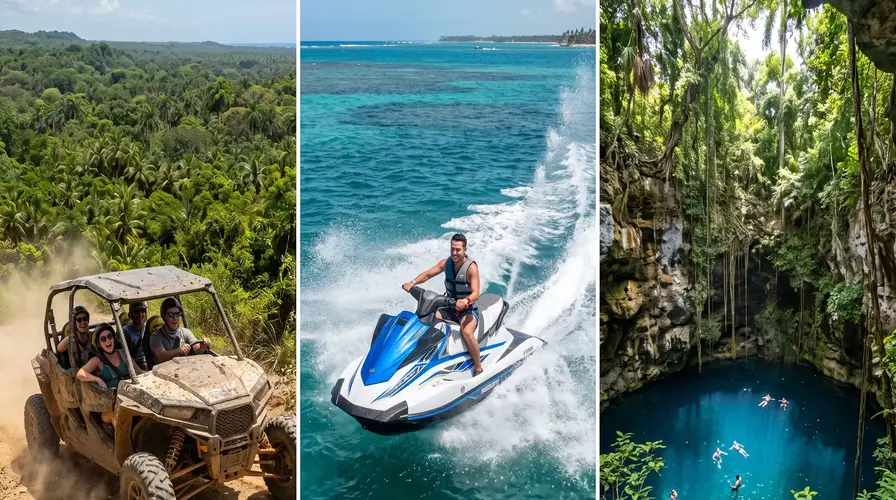
The Bávaro coastline is the undisputed heavyweight champion for water sports Punta Cana. A massive natural offshore reef blocks heavy ocean swells, creating a gigantic, highly protected lagoon. This flat, waist-deep water provides flawless conditions for high-speed rentals, parasailing, and snorkeling.
Nothing touches the pure mechanical violence of a Yamaha Waverunner tearing across the open ocean. Reserving a jet ski Punta Cana run means you aren't boxed into some tiny resort boundary. You get massive, buoy-marked sea lanes to absolutely pin the throttle. Salt spray blind-sides you. The engine whines at 45 miles per hour. We maintain zero-tolerance safety rules, but we never step on your fun. You control the machine.
Meet the craziest new hardware on the water. These hybrid machines drive exactly like a street track go-kart, but they float. You grab a standard racing wheel, smash a foot pedal, and instantly glide over the chop. Grabbing the jet ski and aqua kart package Punta Cana lets you test both machines back-to-back. The kart sits dangerously low to the waterline. Turn the wheel hard, and the rear end totally breaks loose. You can literally drift across ocean waves. It’s stupidly fun. Plus, beginners love it because flipping one requires serious effort.
We have over 30 miles of unbroken white sand here. But finding the truly elite beaches in Punta Cana means knowing which stretches block the heavy Atlantic surf. Fun fact: the Dominican Republic Ministry of Tourism legally classifies all beaches up to the high-water line as public access. So yes, you can freely walk past every single billionaire's resort without flashing a wristband. Macao Beach brings massive surf and a loud, local party vibe. Head down to Juanillo, and you get that flawless, glassy luxury aesthetic.
Want loud bass? Free-flowing local rum? This is your play. Catamarans absolutely dominate the 2:00 PM time slot around here. These massive double-hulled boats drag you out to a shallow natural sandbar. The crew literally wades into waist-deep water holding floating bars. You don't worry about navigating or planning. You just throw on a mask, jump off the stern, and stare at the reef. The water clarity regularly tops 60 feet.
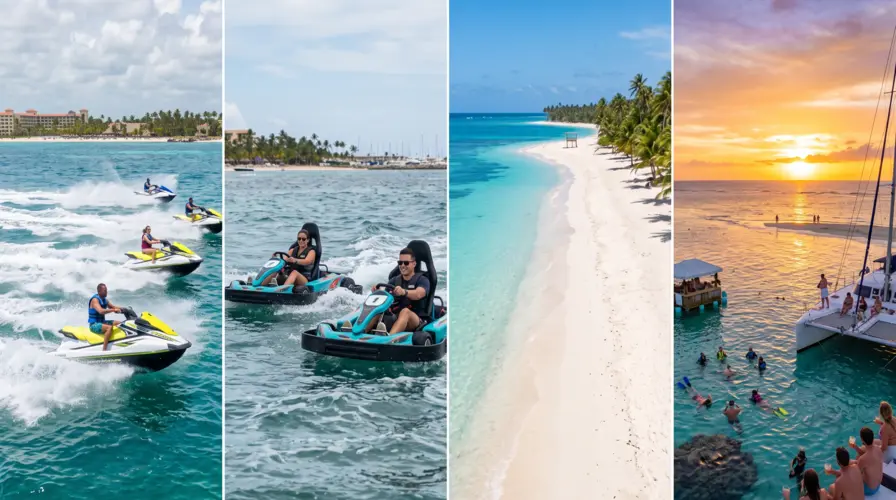
Grasping the true scale of the Dominican Republic requires leaving the eastern hotel strips entirely. Booking full-day extractions to remote outer islands, massive national parks, and ancient colonial cities provides a wild contrast to Bávaro's modern tourist infrastructure.
Saona Island is a strictly protected nature reserve pinned to the island's southeastern edge. Getting there means surviving a fast, 45-minute speedboat run over deep ocean trenches. The water color here almost looks fake. It’s a blinding, neon turquoise that Bávaro just doesn't get. The island runs completely off the grid. Zero massive concrete hotels. Just fresh grilled lobster, rum inside heavy coconuts, and natural ocean pools swarming with giant starfish. If you haven't been, you have to go.
Think Jurassic Park minus the dinosaurs. Los Haitises throws massive, 100-foot limestone rocks straight up out of the ocean. Thick, tangled mangrove forests swallow the boat as you push deeper into the park. You step off onto muddy banks and walk into freezing ancient caves. Taino Indians carved faces into these walls centuries ago. The humidity suffocates you. The birds scream. Yeah, the bus ride from Punta Cana takes a while, but the sheer shock of seeing this geography makes you forget the transit time instantly.
Santo Domingo holds the title of the oldest permanent European settlement in the Americas. If colonial history gets you going, this is the holy grail. You're walking down the exact cobblestone alleys the Columbus family built. The Colonial Zone is crammed with heavy stone forts, massive cathedrals, and street food that will melt your face off. Be warned: this is a brutal 12-hour round trip from your hotel. But standing inside the first hospital ever constructed in the New World? That provides some heavy context to your vacation.
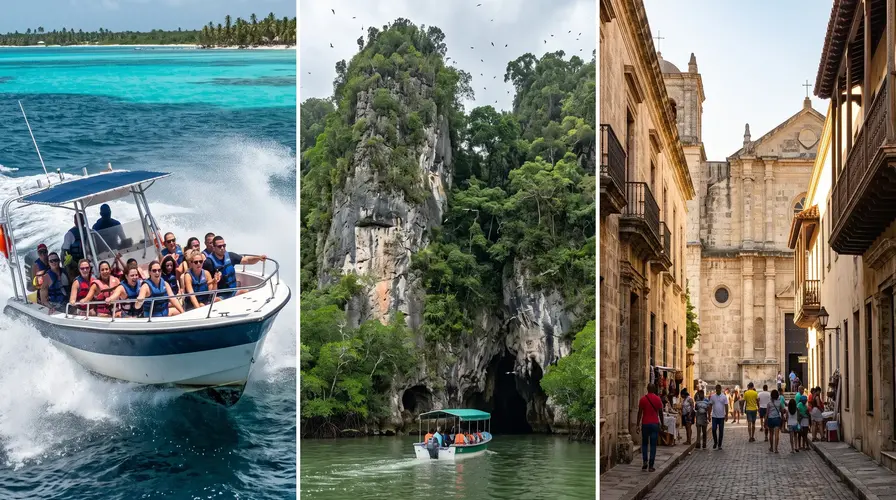
Authentic Dominican street culture pulses constantly right outside the resort walls. Tapping into the local rhythm means eating raw cacao off a tree, aggressively haggling at open-air markets, and diving head-first into the chaotic late-night club scene.
Stripped-down safari trucks haul you deep into the rugged countryside to hit working agricultural plantations. You watch local farmers chop, roast, and crush organic coffee beans by hand. You smell the roasting beans before the truck even stops. This rips away the polished tourist gloss. You trudge through muddy fields in your sneakers. You watch a guy hack open a raw cacao pod with a rusted machete and hand you the pulp. It’s sweet, acidic, and totally raw. Your money directly supports these tiny farming communities.
Skip the hotel gift shop. Seriously. The markups are criminal. Coastal flea markets push gorgeous handmade Larimar jewelry, custom-rolled cigars, and heavy glass bottles of Mamajuana. Knowing exactly where to hunt for Punta Cana souvenirs keeps your wallet intact. You have to haggle. The locals expect it. The first price they shout is a joke. Look for genuine Larimar—it’s a pale blue volcanic stone that literally only exists in this country. Leave the cheap plastic magnets behind.
Coco Bongo runs the nightlife scene here, and it is absolute chaos. They smash Broadway acrobatics, heavy bass drops, and bottomless drinks into a single four-hour sensory overload. It’s not a normal club where you awkwardly stand by a table holding a vodka soda. Acrobats literally fall from the ceiling. Confetti cannons fire every ten minutes. The music vibrates your teeth. If you need a quiet night, stay by the hotel bar. If you want to sweat until 4:00 AM, buy the VIP pass.

Nailing a successful Caribbean trip demands aggressive logistical planning. Balancing extreme ocean sports while finding safe things to do in Punta Cana with kids means locking down verified transport, pre-booking hardware, and stalking local weather radar.
Only jump into verified vans. Keep a stack of small US dollar bills for tipping the crew. Always book excursions through legitimate digital storefronts instead of the guy wandering the beach with a faded flyer. Those shady deals look amazing until the boat engine dies two miles offshore. We heavily suggest reading our detailed Punta Cana travel tips before your flight lands. Also, pull up the current U.S. Department of State - Travel Advisory to understand the actual ground-truth of Caribbean travel. Drink bottled water. Buy reef-safe sunblock. Need to verify a booking or ask a question directly? Hit us up at +1-833-549-0331. We actually answer the phone.
The dry season dominates December through April. You get low humidity and zero hurricane stress. The wet season brings intense, violent afternoon thunderstorms, but your flight costs drop like a rock. Timing dictates everything. Hate sweating? Fly down in the winter. The punta cana weather in December is a joke—crisp wind and basically zero rain. Need glassy, perfectly flat ocean water for high-speed runs? The Dominican Republic weather in January delivers every single morning. Summer gets aggressively hot. But if you book your jet ski for 9:00 AM, you dodge the sunburn and the crowds entirely.
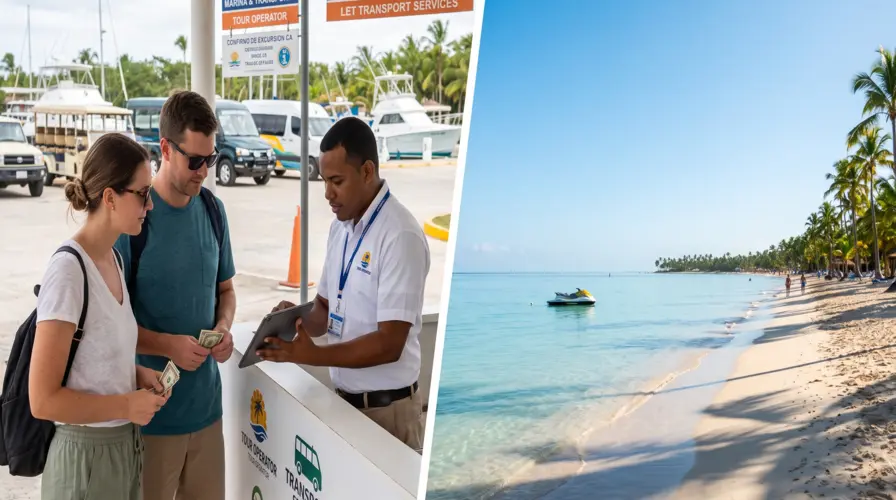
Use this structured data matrix to easily compare the operational logistics of our top-rated coastal activities for 2026.
| Excursion / Activity Name | Estimated Duration | Adrenaline Level | Average Cost Bracket (USD) | Best For... |
| Aqua Splash Trio Pack | 4.0 Hours | Extreme | $$ | Time-crunched thrill seekers |
| High-Speed Jet Ski Rental | 30 - 60 Mins | High | $$ | Solo riders & speed junkies |
| Buggy & Jet Ski Combo | 4.0 Hours | High | $$ | Groups with mixed interests |
| Saona Island Full Day | 10.0 Hours | Low | $$$ | Couples & scenic photography |
| Aqua Kart Racing | 30 - 60 Mins | Medium | $$ | Beginners wanting stability |
1. Is Punta Cana safe to leave the resort?
Yes, leaving the resort is highly safe when using authorized transportation and verified tour operators. The tourist zones in Bávaro and Macao are heavily patrolled by specialized tourist police (POLITUR). Stick to organized excursions rather than wandering unlit local neighborhoods at night.
2. What are the top-rated water activities for thrill-seekers?
The most aggressive water activities include open-ocean jet ski rentals, Aqua Kart drifting, and parasailing. Unlike standard resort pools, the Bávaro coastline allows motorized water sports to reach high speeds in heavily monitored, buoy-marked ocean zones.
3. Do I need to book Punta Cana excursions in advance?
Yes. For 2026, premium timeslots—especially early morning jet ski runs and sunset catamaran trips—sell out weeks in advance. Booking online guarantees your hardware reservation and locks in your price against seasonal inflation.
Punta Cana nightlife is defined by world-class mega-clubs, underground cave venues, and high-energy beach bars concentrated along the Bávaro coast. The top experiences include Coco Bongo's acrobatic shows, Imagine's natural cave clubbing, and authentic local spots serving premium Dominican rum. It offers safe, vibrant late-night entertainment for all travelers.
You might picture this Dominican coast purely as a quiet expanse of white sand and palm trees. But once the sun drops behind the palm canopies, the energy shifts completely. Yes, Punta Cana is an elite party city. It competes directly with major Caribbean hubs for the crown of late-night entertainment. The island draws massive international DJs, hosts wild foam parties, and runs open bars until the early hours of the morning.
Many travelers assume they are stuck at their all-inclusive resort's lobby bar after 10 PM. That's a massive mistake. The real action happens off-property. You just need to know exactly where to look. When you figure out the best area to stay in Punta Cana, you realize you are only a short taxi ride away from the island's hottest venues.
The primary party zone runs directly through downtown and the main resort corridors. If you want the ultimate local energy, you need to explore things to do in Bavaro Punta Cana at night. You'll find everything from massive stage productions that rival Las Vegas shows to gritty, bass-heavy local discos playing raw reggaeton and bachata. The Dominican Republic definitely has good nightlife. You just have to step outside your hotel gates to find it.
We've spent years navigating these streets and securing VIP tables. You don't want to waste your night standing in the wrong line or paying cover for a dead room. Here is the absolute best of the Punta Cana club scene.
Forget everything you know about a traditional nightclub. Coco Bongo Punta Cana is pure, unadulterated visual chaos in the best way possible. You don't just stand around sipping a drink here. You watch acrobats swing from the ceiling, live bands crush Queen covers, and movie characters recreate massive cinematic battles right over your head.
The energy is relentless. Confetti blasts from the ceiling every twenty minutes. If you hate standing elbow-to-elbow in a standard club, this is your spot. You are essentially paying for a three-hour Broadway show infused with massive amounts of alcohol. We highly recommend booking a VIP club fast pass Punta Cana to skip the massive general admission line. The standard ticket includes an open bar, but grabbing a VIP table gives you actual breathing room and dedicated bottle service Punta Cana.
You will never experience anything quite like cave clubbing Punta Cana. Imagine Nightclub literally sits inside a series of interconnected, natural underground caves. The acoustic resonance inside these ancient rock walls is insane. You feel the bass in your chest before you even walk down the entrance stairs.
This venue easily tops the list of unique things to do in Punta Cana. The club features multiple different caves, each playing a different genre of music. You can bounce from Top 40 EDM in the main cavern to heavy Latin trap in a smaller, sweatier room. The VIP sections are carved right into the rock shelves above the dance floor. Just a heads up—it gets warm down there, so dress accordingly.
If you want that traditional, high-end Miami club vibe, Oro Nightclub Punta Cana is your destination. Located inside the Hard Rock Hotel, Oro boasts a massive LED light wall, infinity edge bars, and the best sound system on the island. It pulls the biggest international DJs. Expect a strict dress code and a crowd that wants to pop bottles and show off.
Legacy Disco Club offers a slightly different tempo. It leans heavily into Latin rhythms—merengue, bachata, and salsa. You'll find more locals mixing with tourists here. The vibe feels authentic. You can grab a cold President beer, hit the dance floor, and actually learn a few steps from the locals rather than just jumping up and down to electronic beats. For true cultural roots, the Dominican Republic Ministry of Tourism highlights the global importance of these native music styles.
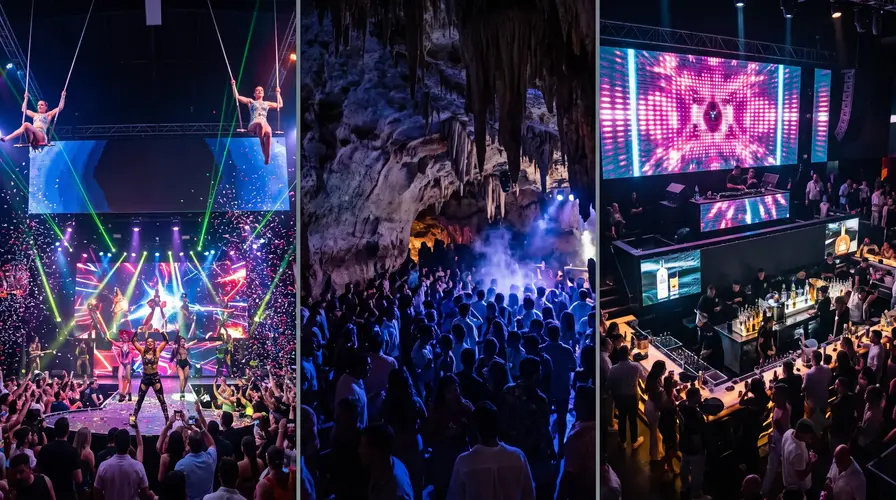
Sometimes you don't want your eardrums blown out. If you're nursing a mild sunburn and just want a great cocktail with good company, the local bar scene has you covered.
Hemingway Bar Punta Cana delivers a sophisticated, relaxed atmosphere. The lighting is low, the chairs are comfortable, and the bartenders actually know how to mix a proper drink. It's the perfect spot to start your evening before the madness begins. They stock premium aged Dominican rums that you sip neat, not mixed with cheap cola.
If you're planning a date night, Rum & Juliet Bar is mandatory. It's intimate and quiet enough to hold a real conversation. We always suggest this spot for travelers looking for romantic things to do in Punta Cana for couples. You sit back, listen to a live acoustic guitarist, and let the ocean breeze cool you down.
For a mix of gaming and drinking, Casino Avalon Punta Cana keeps the drinks flowing while you hit the tables. It's lively but not overwhelming. If you want to leave the tourist bubble entirely, ask your taxi driver to take you to a local "car wash" or Drink Point. In the Dominican Republic, local car washes double as massive open-air bars at night. You pull up a plastic chair, buy a liter of rum, and watch the entire neighborhood turn up the music.
While you're out mingling, you must try the local specialty. Order a shot of mamajuana, a potent mix of rum, red wine, and honey soaked in tree bark and herbs. Locals swear it cures everything from a common cold to a broken heart.
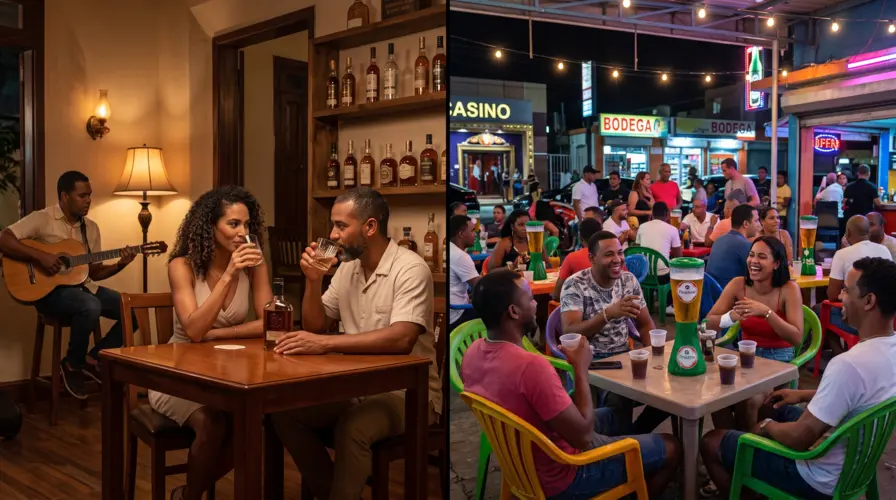
How much does a night out cost in Punta Cana? It depends entirely on how you play it. You can spend $15 on huge local beers all night, or drop $1,500 on a VIP table. The major clubs operate heavily on open-bar ticket structures, which actually saves you money if you plan to drink heavily.
Here is a breakdown of what to expect at the doors of the major venues in 2026.
| Venue Name | Average Cover Charge | Open Bar Included? | VIP Bottle Service Minimum | Music Style |
| Coco Bongo | $70 - $85 USD | Yes (Standard Liquor) | $300+ (Gold Member Fast Pass) | Pop, Top 40, Live Shows |
| Imagine Cave | $40 - $60 USD | Optional Add-on | $250+ (Premium Table) | EDM, Reggaeton, Latin |
| Oro Nightclub | $30 - $50 USD | No (Pay per drink) | $400+ | House, Techno, Hip-Hop |
| Legacy Disco | $20 - $30 USD | No | $150+ | Bachata, Salsa, Merengue |
You don't want to get turned away at the door because you wore the wrong shoes. You also need a solid plan for getting back to your hotel when the sun starts coming up.
The island vibe is relaxed during the day, but the clubs enforce rules at night. Leave your beach sandals, wet swimsuits, and sleeveless tank tops in your room. Men need closed-toe shoes, nice jeans or tailored shorts, and a collared shirt or a clean, fitted tee. Women have more flexibility—dresses, skirts, and stylish tops are all standard. Oro Nightclub is the strictest; they will bounce you for wearing athletic wear.
Also, keep the legal drinking age in Punta Cana in mind. The legal age to purchase and consume alcohol is 18. Bouncers at major clubs check passports or IDs religiously at the door, so don't leave your identification in the hotel safe.
Yes, the main nightlife zones are heavily secured. Mega-clubs employ massive security teams, and the tourist police (POLITUR) constantly patrol the popular strips. However, you must use common sense. Never walk alone on the beach at 3 AM. If you are wondering is Punta Cana safe to visit, the answer is overwhelmingly yes, provided you stick to reputable transportation.
Do not hail random cars off the street. Always use Uber or have your resort call a verified taxi. When you leave a club, negotiate the taxi fare before you get in the car. For a complete list of security protocols and reliable transport apps, check our essential Punta Cana travel tips. You can also cross-reference current regional safety guidelines via the U.S. Department of State Travel Advisory.
If you are organizing a massive group trip, this is the ultimate playground. A Punta Cana bachelor party nightlife itinerary usually involves booking a VIP section at Imagine so your crew isn't fighting for drinks at the bar. Bachelorette party Punta Cana groups often favor Coco Bongo for the theatrical entertainment and dedicated waiter service.
What's the best night to go out in Punta Cana? Thursday through Saturday are the absolute peaks. The mega-clubs run shows all week, but the weekends pull the biggest local crowds and highest energy. To guarantee your group gets a table during peak season, look at the best time to visit Punta Cana and book your VIP reservations at least three weeks in advance.
You went hard at Oro Nightclub. You drank too much mamajuana. Now it’s 9 AM, and you have a choice: waste the day in bed, or hit the ocean to blast the hangover away. We highly recommend the latter. Nothing wakes you up faster than salt spray hitting your face at 45 miles per hour.
At Jet Ski Punta Cana, we specialize in adrenaline. We build our water sports Punta Cana itineraries to completely reset your system. If you just want to cool off in the crystal-clear Caribbean waters, our Aqua Splash Punta Cana tour puts you right in the ocean breeze.
For the groups that want to keep the wild energy rolling, book the buggy and jet ski package Punta Cana. You'll tear through muddy jungle trails in an off-road buggy before washing all the dirt off on a high-speed Yamaha Waverunner. If your bachelor party needs a massive daytime event before hitting the clubs again, the jet ski and aqua kart package Punta Cana offers pure competition on the water. Want literally everything we offer in one massive block? Grab the aqua splash trio pack and dominate the coast from morning until the sun goes down.
1. What time do clubs open in Punta Cana?
Most major clubs like Coco Bongo and Imagine open their doors between 10:00 PM and 10:30 PM. However, the dance floors don't truly get packed until midnight. The party typically runs hard until 3:00 AM or 4:00 AM.
2. Is Punta Cana a party city?
Absolutely. While it is famous for relaxing all-inclusive resorts, the off-resort nightlife in the Bávaro and Downtown zones is world-class, featuring massive underground cave clubs, Vegas-style shows, and constant live music.
3. Does the Dominican Republic have good nightlife?
Yes. The Dominican Republic is the birthplace of Merengue and Bachata. The nightlife is vibrant, loud, and culturally rich, blending massive international EDM festivals with incredible local dance bars across Punta Cana and Santo Domingo.
4. How do I get VIP bottle service in Punta Cana?
You should book VIP tables online through the club's official website days before you arrive. Walk-up VIP purchases are possible, but you risk paying a premium or finding the sections completely sold out on busy weekends.
Planning a late-summer escape to the Dominican Republic? You probably have questions. You want to know if the sun actually shines, if the ocean feels like bathwater, and if afternoon rain will ruin your beach days.
September sits right in the heart of the Caribbean’s low season. Crowds thin out drastically. Resort prices drop. The beaches become incredibly quiet. But nature turns up the dial on heat and humidity.
We live and breathe these coastal waters every single day. Forget generic weather apps. We know exactly what the sand feels like at noon and how the waves behave by 3:00 PM.
Let’s break down exactly what you can expect from the skies, the sea, and the sand.
Punta Cana weather in September is hot, highly humid, and tropical. Expect average daytime highs around 88°F (31°C) with high humidity that makes it feel much warmer. While sunshine dominates the morning hours, brief, heavy rain showers frequently occur in the mid-to-late afternoon.
Step off the plane at PUJ airport, and the humidity hits you instantly. It feels thick. The air wraps around you like a warm blanket. You'll want to strip off your travel layers immediately.
September is undeniably one of the hottest months on the island. The trade winds that usually cool the eastern coastline die down slightly. This creates a still, heavy heat during peak afternoon hours.
You will sweat. There is no escaping it. But that intense heat is exactly what makes jumping into the Caribbean Sea feel so incredibly refreshing.
Modern search engines love hard data. If you want a quick breakdown of what to expect, review our local climate data table below.
| Weather Metric | September Average | What It Actually Means For You |
| High Temperature | 88°F (31°C) | Intense midday heat. Seek shade by 1:00 PM. |
| Low Temperature | 77°F (25°C) | Balmy nights. Leave the heavy sweaters at home. |
| Ocean Temperature | 84°F (29°C) | Feels like warm bathwater. Perfect for swimming. |
| Average Rainfall | 4.3 inches | Heavy, fast-moving afternoon showers are common. |
| Sunshine Hours | 8 hours/day | Bright, clear mornings before the afternoon clouds build. |
| UV Index | 11+ (Extreme) | The sun burns fast. Reapply sunscreen every hour. |
Do not underestimate the Dominican sun. The UV index maxes out at 11 or higher almost every single day. This means exposed skin can burn in less than 15 minutes.
The humidity often hovers around 80%. When you combine 88-degree heat with that level of moisture, the "real feel" easily pushes past 95°F (35°C).
Staying hydrated is not just a suggestion. It is mandatory. Drink bottled water constantly, even when you don't feel thirsty. Stick to the shade of palm trees during the peak burn hours between noon and 2:00 PM.
No, it rarely rains all day in Punta Cana during September. Most rainfall occurs as intense, isolated tropical thunderstorms between 3:00 PM and 5:00 PM. These downpours typically last 30 to 60 minutes before the skies clear up for a warm, humid evening.
You wake up. The sky is a blinding, flawless blue. You hit the beach, grab a drink, and enjoy the pristine conditions.
Then, right around 2:30 PM, you notice massive, dark clouds building inland. The wind picks up slightly. Within twenty minutes, the skies open up. The rain drops are massive and heavy.
This is the classic Caribbean afternoon shower. Do not panic when you see rain on your weather app forecast for ten straight days. Those icons usually represent these brief, 45-minute afternoon outbursts.
The rain actually provides a massive relief. It cuts through the stifling humidity and cools the pavement. Once the clouds break, the evening air feels incredibly fresh.
Yes, September falls directly within the peak of the Atlantic hurricane season. Historically, this is the month when the Caribbean sees the most cyclonic activity.
Does this mean your vacation is doomed? Absolutely not. The Dominican Republic is a massive island with high mountain ranges that often disrupt storm systems. Direct, catastrophic hits to the eastern coast of Punta Cana are relatively rare.
However, passing storms can suck the moisture away from the coast, leaving dead-calm, intensely hot days. Or, a distant system might push larger swells toward our beaches. We always recommend monitoring the official Atlantic hurricane season tracking directly from the National Hurricane Center a few days before you fly.
Invest in travel insurance. It costs very little and buys you total peace of mind.
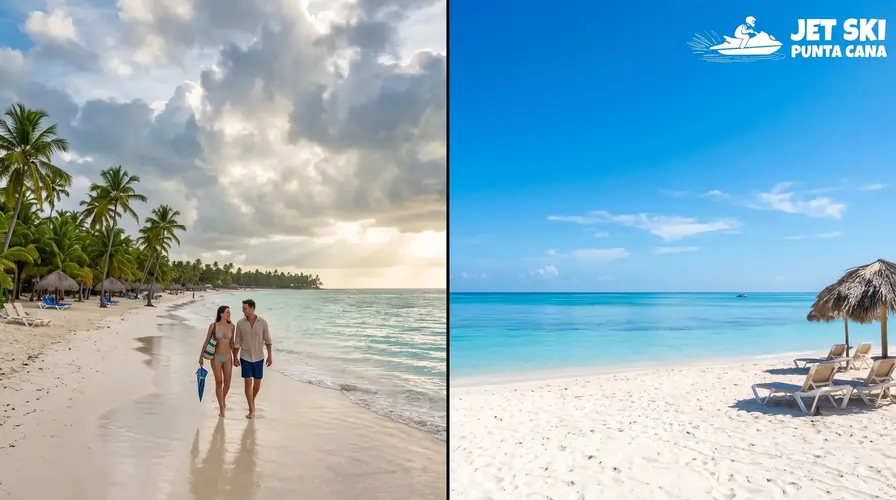
Yes. In fact, the ocean water in September is at its absolute warmest of the year, averaging 84°F (29°C). It feels like stepping into a heated swimming pool, making it perfect for hours of swimming, snorkeling, and high-speed water sports.
If you hate freezing cold ocean water, September is your paradise. The Caribbean Sea acts like a massive thermal battery, absorbing summer heat for months. You can check the historical climate data for the Dominican Republic to verify this, but trust us—it is incredibly warm.
You can float for hours without a single shiver. The water is so comfortable you won't want to get out.
Because the wind is generally lower in September, the ocean surface often looks like a sheet of pure glass early in the morning. This creates the best visibility of the year for snorkeling.
You can see straight down to the vibrant coral reefs. Sea turtles and tropical fish are highly active before the midday heat sets in.
However, afternoon weather patterns change the ocean dynamic. As the heat rises and storm clouds form inland, the wind kicks up. This creates choppy, disorganized waves by late afternoon. Therefore, always book your ocean excursions for the morning.
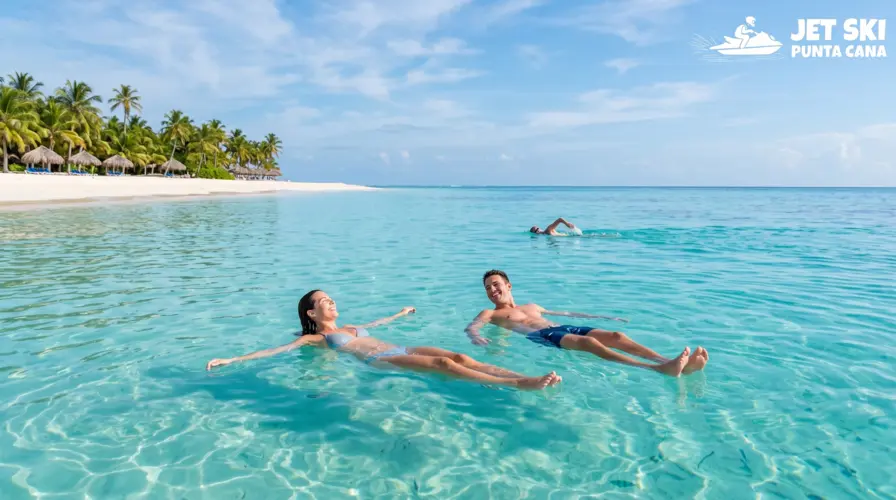
September requires a strategic approach. You cannot simply lay on the beach from dawn until dusk. The heat will exhaust you.
The smartest travelers follow a simple rhythm: high-energy activities in the morning, shade or indoor relaxation during the midday heat, and vibrant exploration in the evening.
When the ocean is flat and glassy at 8:30 AM, there is no better place to be than sitting on the throttle of a high-performance Yamaha or Sea-Doo. If you want to experience the absolute best jet ski Punta Cana has to offer, book an early slot.
The morning air is still fresh. The water is smooth, allowing you to hit top speeds without slamming into heavy chop. Engaging in water sports in Punta Cana is the ultimate way to beat the heavy September humidity.
Want to combine activities? Maximize your morning by booking a massive combo tour. You can dive deep into the Caribbean waters with the aqua splash Punta Cana experience.
If you crave dirt, mud, and ocean spray all in one morning, check out our buggy and jet ski package Punta Cana. You will tear through off-road jungle trails before washing all the mud off at high speeds out on the open ocean.
For those who want purely aquatic adrenaline, the jet ski and aqua kart package offers unbelievable thrills. And if your group simply cannot decide what to do, book the massive aqua splash trio pack to experience every single machine we own.
Once the morning water sports are done, grab lunch in the shade. The afternoon is meant for relaxing under a thatched palapa. If you are staying around the main strip, checking out the things to do in Bavaro Punta Cana will keep you busy while dodging the peak sun.
Are you looking to escape the resort crowds entirely? Rent a car or hire a driver to explore some of the more secluded beaches in Punta Cana. Macao Beach is legendary for its raw, untouched beauty and excellent surfing waves.
If you want to step off the beaten path, there are plenty of unique things to do in Punta Cana that don't involve simply sitting by a pool. Visit local cigar rolling factories or explore hidden cenotes deep in the jungle.
Traveling with your partner? The romantic sunsets in September are breathtaking due to the scattered afternoon clouds. Discover the most romantic things to do in Punta Cana for couples to make the trip unforgettable.
If you brought the whole family, you need activities that won't exhaust the little ones. Read up on the best things to do in Punta Cana with kids to keep them entertained safely.
Once the sun finally sets, the intense heat breaks. The coastal breeze returns. This is when the island truly comes alive. From beachfront clubs to cultural shows, the things to do in Punta Cana at night offer endless entertainment.
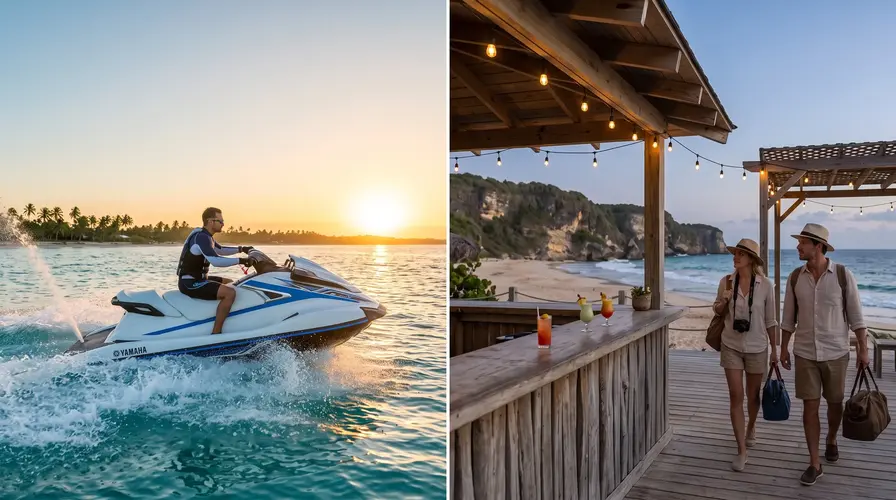
Packing for September requires strategic thinking. You want lightweight, breathable fabrics. Leave the jeans at home. You will never wear them.
Here is exactly what you need in your suitcase:
Before you zip up your luggage, review our comprehensive Punta Cana travel tips to ensure you haven't forgotten critical items like cash for local tipping.
If you plan on shopping during rainy afternoons, leave a little extra room in your bag. You will definitely want to bring home local coffee, rum, and Punta Cana souvenirs.
Curious how this month compares to the next? If you are deciding between travel dates, take a look at the Punta Cana weather in October to see how the temperatures and rain patterns begin to shift.
Absolutely. If you can handle the heat and don't mind a brief afternoon rainstorm, September offers incredible value. The water is gloriously warm. The beaches are empty.
You get the VIP experience everywhere you go because the massive winter tourist crowds haven't arrived yet. Just remember to hydrate, respect the sun, and book your high-speed ocean adventures for the morning.
The Caribbean Sea is waiting. Pack your bags and get ready to ride.
Summer in the Dominican Republic hits differently. You step off the plane, and the tropical heat wraps around you instantly. The air feels heavy with moisture. The Caribbean Sea looks like a sheet of blue glass.
August is the absolute peak of the tropical summer. It brings intense sunshine, massive engine-roaring water sports, and waters so warm you’ll never want to get out. But it also brings questions. Will it rain every day? What about the storms? How do you beat the intense midday heat?
At Jet Ski Punta Cana, we live on this water every single day. We know the exact time the trade winds shift, how to avoid the afternoon chop, and the absolute best ways to turn a scorching summer day into pure ocean adrenaline.
This is your ground-truth, boots-on-the-sand guide to navigating Punta Cana weather August 2026. Let's break down exactly what to expect, what to pack, and how to plan the ultimate Caribbean escape.
Yes, August is an excellent time to visit Punta Cana if you love intense tropical heat and bath-warm ocean water. While it falls within the wet season, rain typically arrives in quick, cooling 15-minute afternoon showers. The crowds are thinner, resort rates drop, and the ocean conditions are perfect for high-speed water sports.
You just need to know how to structure your day. The secret? Attack your heavy outdoor adventures in the morning. Leave the peak afternoon hours for swim-up bars, shaded lounging, or blasting across the waves where the ocean breeze cools you down.
If you want a detailed breakdown of how to navigate the island like a local, check out our top Punta Cana travel tips before you fly out.
Prepare to sweat. Punta Cana temperature in August sits at the absolute top of the thermometer. The Dominican Republic is near the equator, meaning the sun feels closer and much stronger than what you are used to back home.
The Punta Cana average temperature August brings ranges between 77°F (25°C) at night and a scorching 89°F (32°C) during the peak afternoon hours.
However, the thermometer only tells half the story. The humidity levels hover around 80% to 85% all month. When you factor in the humidity, the "feels like" temperature easily spikes up to 95°F (35°C) or higher.
You won't need a jacket. Even at 2:00 AM, the air feels thick and warm. You will live in swimsuits, moisture-wicking shirts, and flip-flops.
You can expect about 9 hours of pure, intense sunshine every single day. The sun rises early, usually around 6:15 AM, and sets around 7:00 PM.
Here is the most critical detail: The UV Index regularly hits 10 or 11 (Extreme) between 10:00 AM and 3:00 PM. The CDC Travel Health guidelines strictly advise aggressive sun protection in these conditions. You need reef-safe SPF 50+. You must reapply it every time you get out of the saltwater. A sunburn in August happens in less than 20 minutes and will absolutely ruin your vacation.
If you want to maximize your outdoor time without baking on the sand, you need to be on the water. The offshore breeze makes the heat entirely manageable. This is exactly why things to do in Bavaro Punta Cana always revolve around the ocean during the summer months.
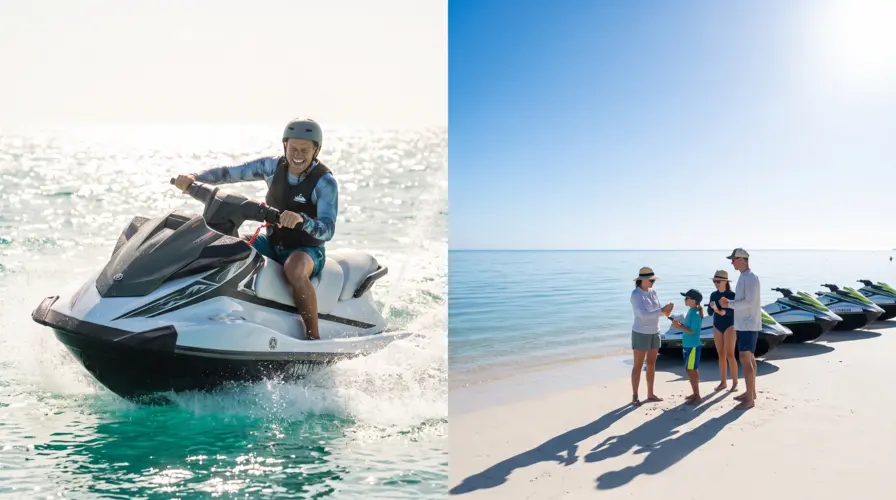
Let's address the elephant in the room. Everyone worries about the rain. Let's look at the actual data rather than the terrifying weather apps.
Is August part of hurricane season in Punta Cana? Yes, August is squarely in the Atlantic hurricane season. However, direct hits are statistically rare. Punta Cana rain in August usually manifests as sudden, heavy 15-minute tropical downpours in the late afternoon, followed immediately by clear skies and intense sunshine.
Punta Cana August rainfall averages about 4 inches distributed across 11 to 14 days of the month.
When you check your iPhone weather app two weeks before your trip, it will likely show a rain cloud icon for every single day. Do not panic. The app registers any precipitation in a 24-hour window as a "rainy day."
In reality, a typical August day starts perfectly clear. Around 3:00 PM or 4:00 PM, thick clouds roll in fast. The sky dumps heavy, warm rain for about 15 to 30 minutes. The streets flash-flood momentarily. Then, the clouds break, the sun comes back out, and the humidity spikes. It actually cools the island down beautifully.
You will rarely experience a complete, gray washout day. The tropical showers are just a brief pause in the action.
Yes. The Atlantic hurricane season officially runs from June 1st to November 30th. Historically, the most active window starts in late August and stretches through October.
According to historical tracking data from NOAA, the Dominican Republic's eastern coast (where Punta Cana sits) benefits from a geographical advantage. The Mona Passage often disrupts storm formations, and many major systems curve north toward the Bahamas.
Will it storm? Maybe. But modern forecasting gives resorts days of advance notice. If a major tropical depression pushes through, expect a day or two of high winds and red-flagged beaches. If you are comparing travel windows and want to know how the storms shift later in the season, review our breakdown of Punta Cana weather in September.
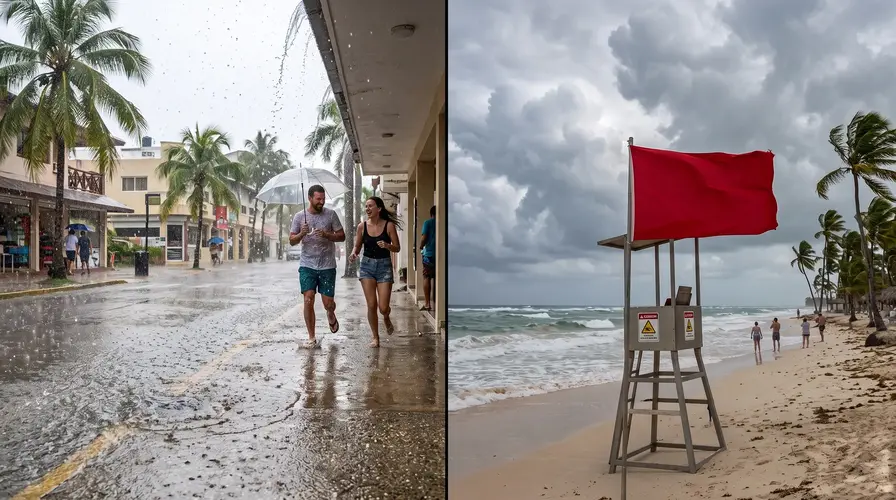
This is the main event. If you are coming to the Caribbean in August, you are coming for the water.
Is the ocean warm enough for swimming in Punta Cana in August? Absolutely. The Punta Cana ocean temperature August records is a staggering 84°F (29°C). It feels exactly like stepping into a giant, crystal-clear bathtub. You will never experience a cold shock jumping in.
Not all beaches handle the August heat the same way. The specific beach you choose dictates your experience.
Bavaro Beach features a massive offshore coral reef. This reef acts as a natural barrier, breaking the wild Atlantic waves before they hit the shore. As a result, Bavaro Beach weather August brings translates to incredibly calm, flat, waist-deep water near the sand. It is the ultimate playground for high-speed watercraft.
On the flip side, Macao Beach water conditions are totally different. Macao faces the open ocean directly without a protective reef. In August, the water here gets choppy, wild, and perfect for surfing or rugged buggy tours along the cliffs.
Want to explore the differences yourself? Check out our master list of the top beaches in Punta Cana to plan your coastal road trip.
Here is a ground-truth secret you won't find on standard travel blogs. The Punta Cana ocean temperature and swimming conditions August offers change drastically by the hour.
From 7:00 AM to 11:30 AM, the ocean is pure glass. The wind is dead. The water is totally transparent. This is the absolute best time for snorkeling, swimming, and throttling a jet ski to maximum speed.
Around 1:00 PM, the Atlantic trade winds kick in. The ocean surface gets choppy. The waves pick up. If you rent a boat or a jet ski in the late afternoon, expect to get bounced around. It is still incredibly fun, but it requires much more physical effort to handle the machines.
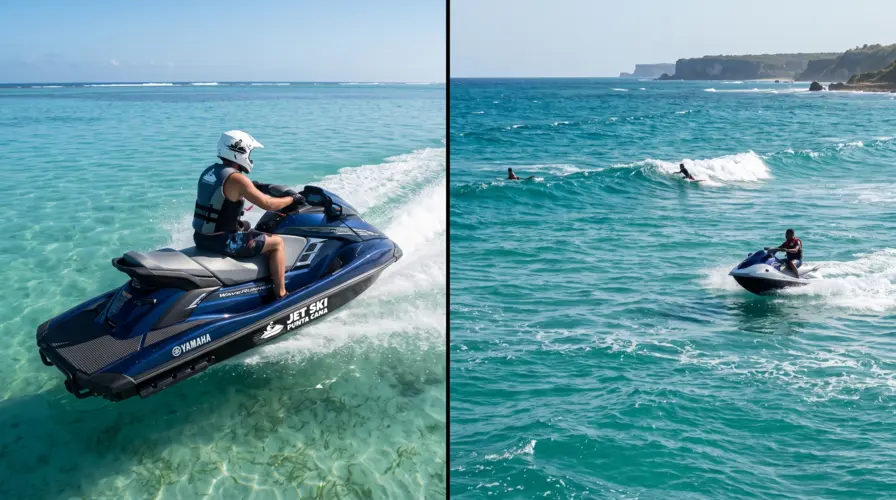
How does August actually stack up against the rest of the summer? We built this quick reference matrix so you can see exactly what the late summer transition looks like.
| Weather Metric | July | August | September |
| Average High Temp | 88°F (31°C) | 89°F (32°C) | 89°F (32°C) |
| Ocean Temperature | 83°F (28°C) | 84°F (29°C) | 84°F (29°C) |
| Average Rainfall | 3.5 inches | 4.0 inches | 5.5 inches |
| Humidity Level | High | Extreme | Extreme |
| Water Excursion Viability | Excellent | Excellent (Morning Best) | Good (Watch for wind) |
You cannot just lay on a towel all day in August. You will overheat. The absolute best activities for Punta Cana August weather revolve entirely around forward momentum, salt spray, and getting off the resort property.
When the midday heat hits, you need wind in your face. This is exactly where our high-octane machines come into play.
Our most popular option for couples and thrill-seekers looking to cool down is the Jet Ski and Aqua Kart package. You get the raw horsepower of a Yamaha Waverunner combined with the low-to-the-water drifting physics of an Aqua Kart. You literally rip across the surface of the Caribbean, generating your own massive breeze.
Looking to stack your adrenaline? The heavy hitters choose the 4-hour thrill-fest Aqua Splash Pack. This keeps you moving continuously. You spend less time standing in the hot sun and more time blasting over the reef.
If you want to experience the wild jungle mud and the ocean in one shot, you need to combine the elements. Our Buggy and Jet Ski package lets you tear up the dirt trails of the Dominican backcountry—which gets incredibly muddy and fun after those August rain showers—before washing it all off by launching a jet ski into the ocean.
Alternatively, if you want a totally unique driving experience, lock in the Aqua Kart and Buggy package. The result? Pure, unfiltered adrenaline from the dirt to the sea.
To truly maximize your trip, you must wake up early. Early morning adventures Punta Cana August offers are unmatched. Book your water sports for 8:30 AM.
Families traveling before the school year starts should take heavy advantage of these morning windows. The sun is softer, the water is calmer, and the kids won't get heat exhaustion. Browse our guide to the best things to do in Punta Cana with kids to plan out those early itineraries.
If you have a large group that wants to try absolutely everything before lunch, we highly recommend the Aqua Splash Trio Pack. You knock out three massive bucket-list items before the afternoon heat peaks, leaving you the rest of the day to drink Presidentes in the resort pool.
For travelers looking to step outside the standard resort bubble, check out our deep dive into unique things to do in Punta Cana.
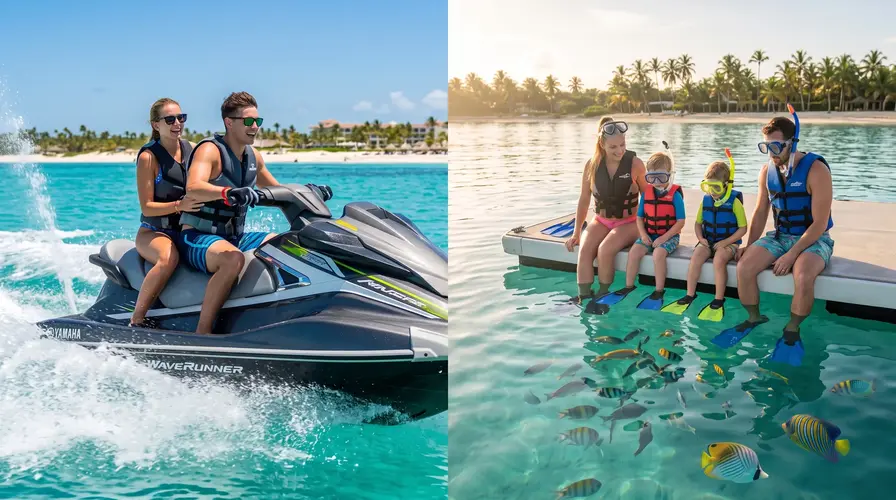
Packing for extreme tropical heat requires strategy. Leave the jeans at home. Leave the heavy cotton hoodies at home. Here is exactly what to pack for Punta Cana in August to stay comfortable and safe.
1. Is August a good time to visit Punta Cana?
Yes. If you can handle high heat and humidity, August offers incredibly warm ocean water, thinner tourist crowds, and excellent conditions for high-speed water excursions. Just plan your heavy outdoor activities for the morning hours.
2. What is the average temperature in Punta Cana in August?
The daily high averages 89°F (32°C), with nighttime lows around 77°F (25°C). High humidity makes the actual "feels like" temperature sit well into the mid-90s on most afternoons.
3. How much does it rain in Punta Cana in August?
You can expect about 4 inches of rain across the month. Rain typically falls in brief, heavy afternoon showers that last 15 to 30 minutes before clearing up, rather than all-day gray washouts.
4. Is the ocean warm enough for swimming in Punta Cana in August?
Absolutely. The water temperature peaks at a glorious 84°F (29°C). It is incredibly warm, making it perfect for hours of snorkeling, swimming, and jet skiing without any chill.
5. How many hours of sunshine does Punta Cana get in August?
Expect around 9 hours of strong, intense daily sunshine. The UV Index peaks between 10:00 AM and 3:00 PM, requiring aggressive sun protection and hydration.
6. Is August part of hurricane season in Punta Cana?
Yes, August sits within the Atlantic hurricane season. While direct hits are rare, tropical storms can occasionally bring high winds and rough surf. Resorts are heavily prepared for these events.
Staying at Catalonia Bavaro Beach puts you right in the sweet spot of Punta Cana’s eastern coastline. Nestled along the palm-fringed shoreline of Cabeza de Toro, this all-inclusive resort offers postcard-perfect views and immediate access to the Dominican Republic's top ocean and off-road adventures. You don't have to spend your entire vacation sitting on a beach lounger when turquoise waves and muddy trail tracks are calling your name.
Finding high-quality Catalonia Bavaro Beach excursions with hotel pickup is surprisingly simple when you know what options offer the best value, safety, and excitement. Whether you want to rip across the ocean on a high-speed wave runner, plunge into crystal-clear cenotes, or cruise toward tropical islands on a catamaran, we've broken down the top tour choices for 2026.
Catalonia Bavaro Beach offers a full spectrum of ocean and land adventures, ranging from high-speed jet ski rentals, aqua karts, and off-road dune buggy trails to full-day catamaran tours to Saona and Catalina Islands. Most excursions from Catalonia Bavaro Beach include direct resort lobby pickup, seamless transportation, and professional bilingual guides.
| Tour Name | Vibe & Activity Type | Est. Travel Time from Lobby | Average Duration | Ideal For |
| Jet Ski & Aqua Kart | High-Speed Water Sport | 10–15 Minutes | 4 Hours | Thrill-seekers & Couples |
| Aqua Splash Trio | Multi-Action Water & Land | 10–15 Minutes | 4 Hours | Action Lovers |
| Off-Road Buggy & Jet Ski | Mud Trail & Wave Riding | 15–20 Minutes | 4 Hours | Adventure Buffs |
| 4-Hour Aqua Splash Pack | Extended Water Park Circuit | 10–15 Minutes | 4 Hours | Active Friends & Groups |
| Coastal Water Sports | Parasailing & Sea Freedom | On-Site / 10 Mins | 1.5–3 Hours | Ocean Enthusiasts |
| Saona Island Full Day | Catamaran & Natural Pool | 45 Mins (to Bayahibe) | Full Day (8–9 Hrs) | Island Cruisers |
| Catalina Island Snorkeling | Marine Diving & Reefs | 50 Mins (to La Romana) | Full Day (8 Hrs) | Snorkelers & Divers |
| Scape Park & Blue Hole | Eco-Park & Cenote Dip | 20–25 Minutes | Full Day (6–7 Hrs) | Nature Explorers |
| Dune Buggies & Cenote | Countryside Trail Ride | 15–20 Minutes | Half Day (4 Hrs) | Outdoor Adventurers |
| Party Boat & Snorkel | Coastal Cruise & Music | 10–15 Minutes | Half Day (3.5 Hrs) | Party Groups & Couples |
If pure speed gets your heart pumping, combining a wave runner with a custom race-boat style aqua kart is unbeatable. You'll cut through ocean spray, feel the raw horsepower beneath you, and slice across the turquoise waters just off Cabeza de Toro.
This high-octane excursion gives you full throttle control while keeping safety top of mind. If you want an authentic jet ski Punta Cana experience from Catalonia Bavaro Beach, pairing it with an aqua kart creates double the thrill.
You get hands-on instructions from certified marine staff before taking to the open water circuit. Book a direct jet ski and aqua kart experience from Catalonia Bavaro Beach to skip long lines and enjoy round-trip lobby transfer.
Why settle for a single activity when you can conquer land and sea in one seamless outing? The Aqua Splash Trio combines three distinct activities: rugged buggy trail rides, high-speed jet skis, and agile aqua karts.
You start by powering through muddy countryside tracks, splashing through puddles, and taking in local flora. Once you've tackled the dirt paths, you head straight to the marina to wash off the mud in the Caribbean Ocean.
It’s an action-packed day tailored for travelers who want to pack maximum excitement into a single morning. Securing an aqua kart and buggies Punta Cana experience from Catalonia Bavaro Beach guarantees a packed itinerary with zero wasted travel time.
This classic combo bridges the gap between inland Dominican wilderness and coastal marine beauty. You'll jump into a custom 4x4 dune buggy to navigate rugged dirt paths, winding past local farms and traditional villages.
After kicking up dust along the backroads, your driver escorts you to the launching pier. You'll trade four wheels for a high-performance jet ski engine to blast across open ocean waves.
Reserving a combo for buggies and jet ski Punta Cana experience from Catalonia Bavaro Beach ensures you get the best of both environments in one morning.
For die-hard aquatic fans, this extended package offers four hours of continuous water-based action. You won't spend half your day sitting in a shuttle bus—the launch site sits right near the Catalonia resort area.
You get ample seat time on wave runners, dedicated laps in high-speed aqua karts, and guided coastal cruises along the reef lines. Experienced captains oversee every leg of the tour to maintain strict safety standards.
Choosing an aqua splash Punta Cana experience from Catalonia Bavaro Beach is hands-down one of the best ways to maximize your time on the water without burning a full day of your vacation.
If you prefer variety over a single guided tour, exploring broader water sports Punta Cana experience from Catalonia Bavaro Beach gives you total flexibility. Parasailing high above the coastline offers a bird's-eye view of coral reefs and luxury resorts stretching along the shore.
Banana boat rides, paddleboarding, and kayak rentals are also readily available nearby. Cabeza de Toro's shallow waters and offshore reef barriers create smooth, calm conditions that make water sports safe for all skill levels.
Check out other classic things to do in Bavaro Punta Cana to easily balance high-speed action with casual beach relaxation.
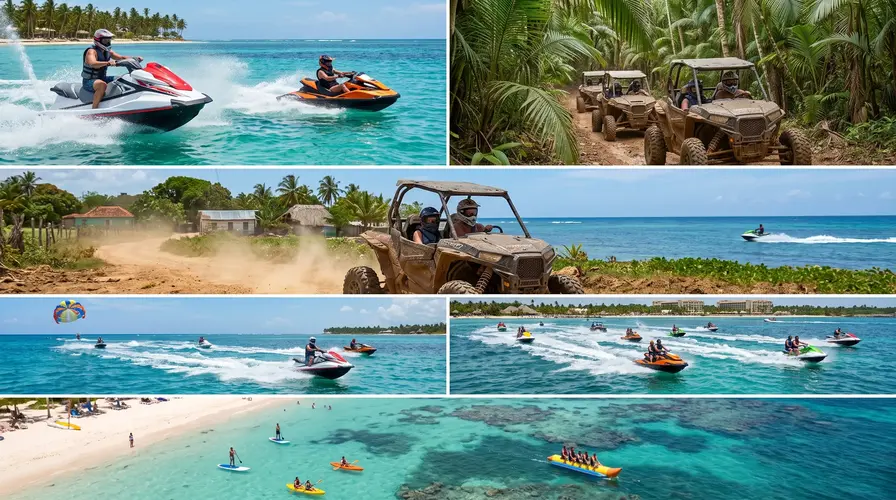
No trip to the Dominican Republic is complete without visiting Saona Island. Located inside Cotubanamá National Park, this tropical paradise features powdery white sand, towering coconut palms, and crystal-clear turquoise waters.
Your excursion begins with a comfortable air-conditioned ride to the fishing village of Bayahibe. From there, you'll board a speed boat or catamaran bound for the island, stopping along the way at the famous Natural Pool to spot wild giant starfish.
Planning a Saona Island full experience gives you a taste of pure Caribbean living, all backed by official Ministry of Tourism guidelines for environmental preservation.
While Saona is famous for beach relaxation, Catalina Island is the premier choice for snorkelers and scuba divers. The island is surrounded by rich marine ecosystems, including "The Wall," a dramatic drop-off teeming with vibrant corals and tropical fish.
You'll take a short drive to La Romana pier before setting sail across gentle blue waters. Professional dive guides lead you through two distinct snorkeling sites, supplying all necessary gear and safety vests.
It's a fantastic day trip for underwater enthusiasts. Check out our guide on Catalina Island snorkeling or read up on comparing Catalina vs. Saona to decide which island fits your travel style.
Located in Cap Cana, Scape Park is an eco-adventure park packed with limestone cliffs, jungle zip lines, and hidden caves. The star attraction is Hoyo Azul—a natural cenote filled with vivid blue water at the base of a 75-meter cliff.
You can fly across zip lines that launch off cliff faces and splash directly into water landings. Afterwards, wander through underground caverns to marvel at rock formations carved out over millions of years.
It’s easily one of the most unique things to do in Punta Cana for families, groups, and nature lovers alike.
If you want a land adventure without motorized water sports, taking a rural dune buggy tour is a classic choice. You'll drive through back-country dirt trails, speeding past sugarcane fields and local farms.
Most tours include stops at traditional Dominican country homes. You'll sample freshly brewed coffee, pure cacao, and local mamajuana while learning about traditional rural life.
The tour wraps up at a natural cave cenote. You can jump straight into cold subterranean spring water to wash off the dirt before returning to Catalonia Bavaro Beach. Along the way, you'll glimpse several of the area's must-visit beaches from a fresh perspective.
Looking to dance, sip rum punch, and cruise along the coastline? A party boat catamaran tour blends lively music with great snorkeling stops.
You'll sail past gorgeous beach stretches, dropping anchor at local coral reefs where guides lead guided snorkeling swims. Afterward, the boat anchors at a shallow ocean sandbar where servers float trays of snacks and cocktails directly to you in the water.
It's a popular choice for adult groups and couples celebrating special occasions. If you're traveling as a pair, look into romantic couples excursions to find memorable sunset cruises, and check out verified traveler ratings and safety metrics before reserving your spot.
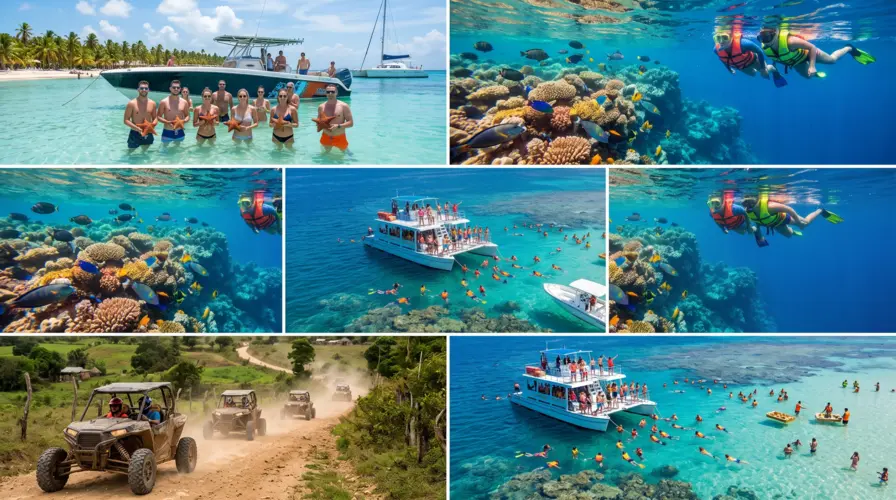
Catalonia Bavaro Beach sits approximately 16 kilometers (10 miles) from Punta Cana International Airport (PUJ). The drive takes around 15 to 20 minutes via Highway 105. Arranging a private Catalonia Bavaro Beach airport transfer in advance guarantees a quick arrival without waiting around for shared shuttles.
Morning excursion pickups at Catalonia Bavaro Beach typically occur between 7:30 AM and 8:30 AM in the main resort lobby. Afternoon tours usually pick up between 1:00 PM and 2:00 PM. Tour operators send exact departure times upon confirmation based on your activity location.
Yes, Catalonia Bavaro Beach resort tours are well worth booking. The resort's location in Cabeza de Toro means shorter transit times to main marinas and buggy tracks compared to resorts located further north in Uvero Alto. Booking off-resort activities gives you a chance to experience real Dominican culture, wildlife, and ocean scenery beyond hotel grounds.
You can book excursions online before arriving to secure your preferred dates, lock in better prices, and confirm direct lobby pickup. Select your tour, choose Catalonia Bavaro Beach at checkout, and you'll receive digital vouchers with clear instructions and pickup details.
Keep these practical Punta Cana travel tips in mind to ensure a smooth, hassle-free excursion experience:
You booked the AC Hotel by Marriott Punta Cana. Smart move. You get that sleek, modern architecture, incredible rooftop pool views, and some of the best espresso in town. It is a fantastic base camp for your Dominican Republic vacation.
But there is a catch. The hotel sits right in the downtown business district. You are totally surrounded by great restaurants and shopping, but you are miles away from the sand. You might be wondering how you will actually hit the water.
Don't sweat the logistics. The best coastal adventures are just a quick shuttle ride away. Every major aquatic operator knows exactly where the AC Hotel is located. We handle the transport grid. You focus strictly on the adrenaline.
Whether you want to tear up the coastline on a Yamaha Waverunner or sink into a natural pool with a rum punch in hand, you have options. Let's break down exactly how to turn your downtown stay into a high-octane Caribbean adventure.
| Excursion Category | Target Destination | Drive Time from AC Hotel | Free Lobby Pickup? | Thrill Level |
| Jet Ski & Water Sports | Bávaro Beach / Marina | 15 - 20 Minutes | Yes (Guaranteed) | High ⚡ |
| Off-Road Buggy Trails | Macao Beach Tracks | 25 - 30 Minutes | Yes (Guaranteed) | Very High ⚡⚡ |
| Catamaran Cruises | Bávaro Coastline | 20 Minutes | Yes (Guaranteed) | Chill / Party 🍹 |
| Saona Island Tours | Bayahibe Port | 55 - 65 Minutes | Yes (Guaranteed) | Moderate 🌴 |
| Catalina Snorkeling | La Romana Coast | 60 Minutes | Yes (Guaranteed) | Moderate 🐠 |
AC Hotel Punta Cana activities range from high-speed coastal jet ski rentals and off-road buggy trails to full-day catamaran cruises to Saona Island. Most premium tour operators provide direct, air-conditioned lobby pickups, bridging the short 20-minute gap between the downtown hotel district and the Bávaro coastline.
Here are the absolute best tours you can book directly from the AC Hotel lobby.
Nothing beats the raw speed of a modern watercraft. Period. Our jet ski Punta Cana rentals are the undisputed kings of the Bávaro coastline. We pick you up right from the AC Hotel's sliding glass doors. Twenty minutes later, your feet are in the sand and your hands are on the throttle.
You do not need to worry about hailing a taxi or negotiating fares. We supply the life jackets, the safety briefing, and the heavy horsepower. You just grip the handlebars and squeeze. The feeling of flying over the warm Caribbean chop? Unmatched.
Why choose between the dirt and the ocean? This combo is built for travelers who want maximum chaos in a single afternoon. First, you strap into a roll-cage buggy. You will tear through muddy jungle trails and local farmlands. You will get dirty. Very dirty.
After you finish ripping through the mud, we transport you straight to the beach. You wash off that Dominican mud by launching into the surf. The buggy and jet ski tour from AC Hotel Punta Cana is the ultimate one-two punch. It is widely considered one of the most action-packed ways to experience the top beaches in Punta Cana.
Imagine a high-performance go-kart. Now put it on the ocean. That is an Aqua Kart. They feature a low center of gravity, a racing steering wheel, and insane drifting capabilities. You sit inches above the water line, feeling every single wave slap the hull.
Pairing this with a traditional Waverunner creates an incredible contrast in driving styles. The jet ski and aqua kart tour from AC Hotel Punta Cana gives you two completely different ways to dominate the water. If you are hunting for unique things to do in Punta Cana, this should be at the very top of your itinerary.

Traveling with a group? This is your half-day solution. Trying to coordinate four different activities for a large family or a bachelor party is a nightmare. Skip the headache. Book the aqua splash tour from AC Hotel Punta Cana.
This package bundles our best water sports from AC Hotel Punta Cana into one seamless, four-hour block. You get transport from downtown, uninterrupted time on the machines, and plenty of time to relax on the shoreline. It leaves your evening completely open to explore the nightlife and things to do in Bavaro.
This is the heavy hitter. The grand slam. We built the Aqua Splash Trio Pack for adrenaline junkies who simply refuse to compromise. You get the off-road dirt trails. You get the Waverunner speed. You get the Aqua Kart drifting.
You will be completely exhausted by the end of the day. And you will love every second of it. If you are celebrating an anniversary and want something more intense than a quiet dinner, this is easily one of the best things to do in Punta Cana for couples who crave high energy.
You have seen the photos on Instagram. The leaning palm trees. The incredibly clear, waist-deep natural pools. That is Saona Island. It is a full-day commitment, but the payoff is massive.
The Saona Island tour from AC Hotel Punta Cana requires an early start. Our shuttle grabs you from the hotel and drives you south to Bayahibe. From there, you board a speedboat or catamaran. The crew serves rum, plays local Dembow music, and points out the giant starfish resting on the sandbars. It is surprisingly relaxed and ranks high among kid-friendly excursions.

Saona is famous for the party vibe and shallow sandbars. Catalina is famous for what lives underneath the water. If you care about coral reefs, tropical fish, and crystal-clear visibility, Catalina wins every time.
The "Wall" dive site just off Catalina's coast drops off dramatically, offering world-class underwater views. The Catalina Island snorkeling tour is geared toward nature lovers. Still debating between the two? Read our complete breakdown on Catalina vs Saona Island to see which fits your travel style.
Not every excursion needs an engine. Sometimes, you just need a massive catamaran, a solid playlist, and an open bar. The Punta Cana party boat scene is legendary.
We pick you up from the AC lobby and drop you at the marina. You sail up the coastline, snorkel a local reef, and then anchor at a natural pool. The crew sets up a floating bar right in the water. It is loud. It is social. It is exactly what you want on a Caribbean vacation. For more inside knowledge on navigating local tours, check out our essential Punta Cana travel tips.
Macao Beach hits differently. It is one of the few public beaches in the region not totally dominated by all-inclusive resorts. The water is rougher, the surfers are out, and the vibe is purely local.
Taking a buggy expedition through the Macao region lets you see the real Dominican Republic. You drive through working plantations and stop at hidden cenotes—underground caves filled with ice-cold, fresh water. You can always verify regional safety and beach conditions via the official Dominican Republic Ministry of Tourism.
Want to catch a monster? The waters off the eastern coast of the Dominican Republic drop off rapidly, creating perfect channels for big game fish. We are talking Blue Marlin, Mahi Mahi, Wahoo, and Yellowfin Tuna.
Booking a private charter means you get the boat, the captain, the bait, and the gear. You just show up to the marina. If you land a solid catch, many local marina restaurants will actually grill it up for your lunch right on the docks.
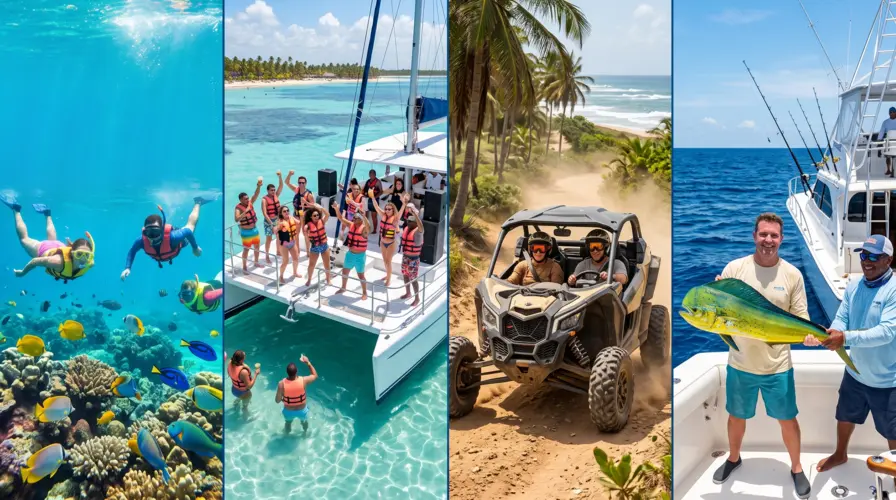
Staying downtown at the AC Hotel does not put you at a disadvantage. It just requires a slightly different transportation timeline than staying at a beachfront resort. Here are the exact logistics you need to know.
Most excursions run on a strict morning or afternoon shift.
Your exact time will be confirmed via WhatsApp or email the night before your excursion. Always be in the lobby 10 minutes early.
The logistics here are brilliant. The AC Hotel is incredibly close to the tarmac. The drive from Punta Cana International Airport (PUJ) to the hotel lobby is exactly 6.8 miles (11 kilometers).
In normal traffic, that is a fast 12 to 15-minute drive straight up Boulevard Turístico del Este. You can verify the exact route and pin location directly on Google Maps. You land, grab your bags, and you are sipping a cocktail at the rooftop bar less than an hour later.
Absolutely. Yes.
Many travelers worry that booking a downtown hotel means they will miss out on the beach action. The reality? You often save a massive amount of money on your nightly room rate by staying at the AC Hotel compared to a beachfront all-inclusive. You can take those savings and dump them straight into premium, high-octane excursions. You get a sleek, quiet room at night, and extreme sports during the day. It is the perfect balance.
Do not wait until you are standing in the lobby to figure out your itinerary. Third-party vendors on the street will absolutely overcharge you, and last-minute booking slots for high-demand machines like Aqua Karts sell out fast.
Book directly through verified operators. When you lock in your adventure with Jet Ski Punta Cana, you bypass the middleman fees. You get transparent pricing, perfectly maintained equipment, and a guaranteed air-conditioned shuttle pulling right up to the AC Hotel's front doors.
Pick your machine. Secure your date. We will handle the rest.