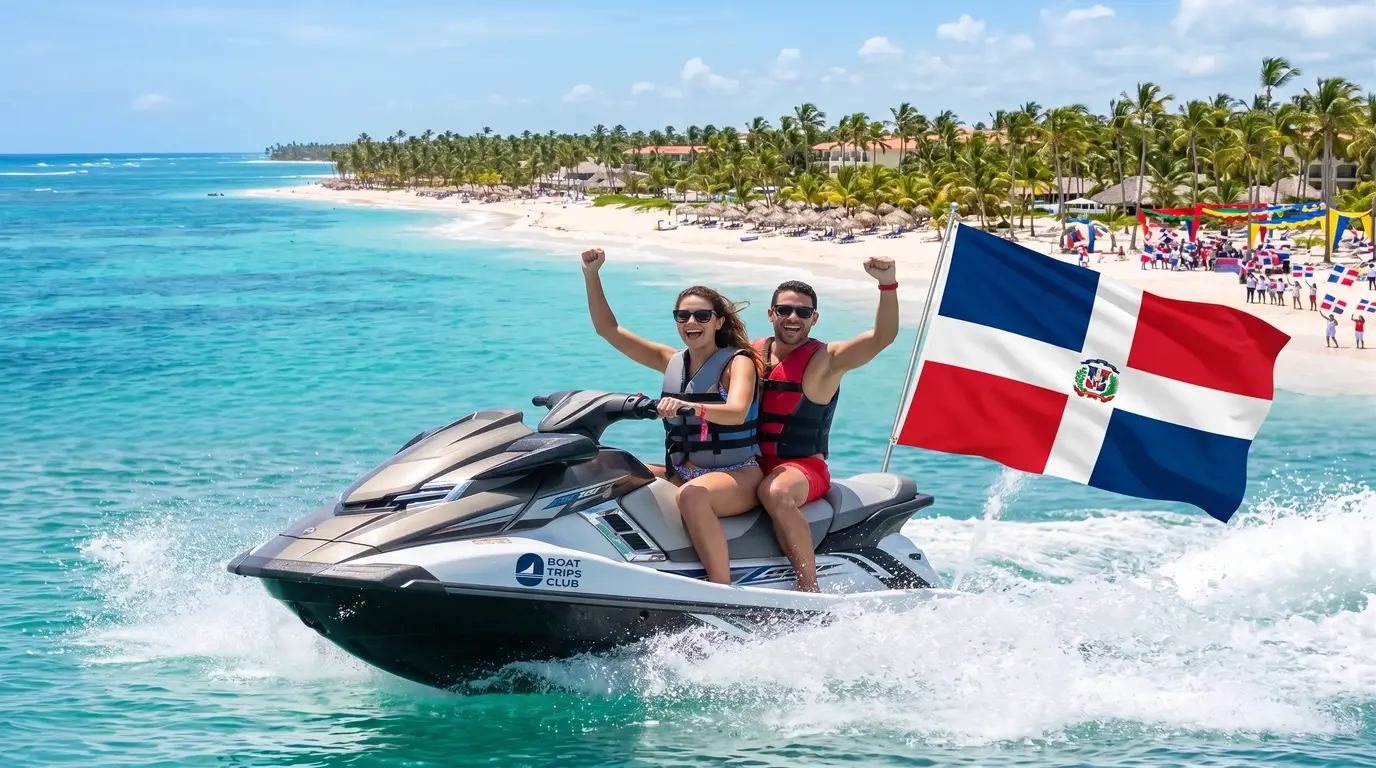
You spot it the moment you step off the plane. It flutters outside resorts, hangs from local colmados, and catches the Caribbean breeze on boat masts. The Dominican Republic flag is more than just dyed fabric. It is a symbol of fierce independence and deep faith. In fact, it holds a specific design element you won't find on any other national banner in the world. If you want to understand the island's true heartbeat before your trip, you need to know this story. Let's break down the history, the hidden meanings, and exactly how the locals celebrate their freedom right here in Punta Cana.
The colors of the Dominican Republic flag represent core national values. Ultramarine blue symbolizes liberty and the sky above. Blood red honors the blood shed by heroes fighting for independence. The white cross divides these colors, standing for salvation, peace, and the protective grace of God over the nation.
Colors rarely end up on a flag by accident. Every shade carries the weight of a nation's struggle. The ultramarine blue directly reflects the open sky above the island. It serves as a constant reminder of the liberty the Dominican people fought brutally hard to achieve.
Red, as you might guess, carries a heavier tone. It represents the literal blood spilled by the island's founders. Patriots gave their lives to secure independence, and that sacrifice stays woven into the national identity.
White cuts through the middle in a massive cross. It balances the intense history with a message of peace and divine protection. It shows a commitment to unity.
Take a closer look at the center of the flag. You'll notice an intricate shield. This is the national coat of arms, and it hides the most unique feature of the Dominican flag.
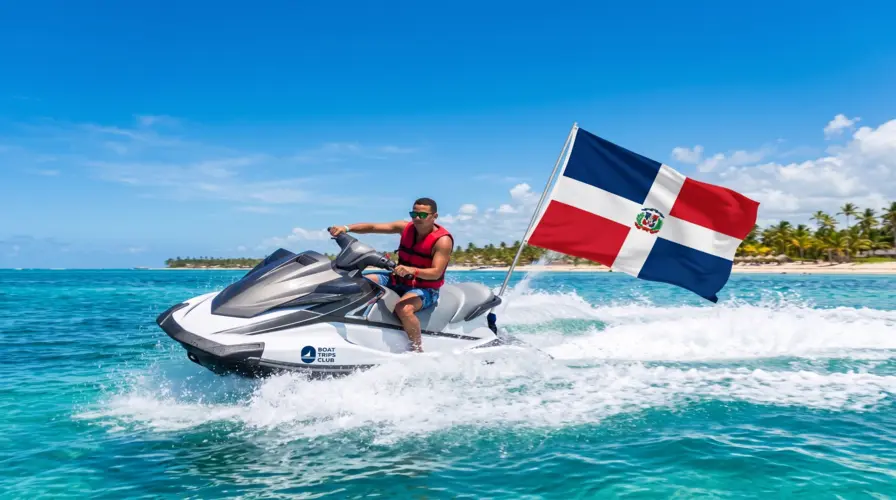
The Dominican Republic flag was designed by the founding fathers of the La Trinitaria secret society, primarily Juan Pablo Duarte. First hoisted on February 27, 1844, it marked the nation's independence from Haiti. Maria Trinidad Sánchez and Concepción Bona are credited with sewing the very first flag.
You can't talk about the flag without mentioning La Trinitaria. This wasn't a casual political group. It was a secret society formed in 1838 by Juan Pablo Duarte.
Operating under intense pressure, these revolutionaries planned the overthrow of Haitian rule. Duarte designed the flag himself. He took the existing Haitian flag, added the stark white cross to symbolize faith and purity, and rearranged the color panels. You can explore the deeper, documented history of the Dominican Republic to understand just how intense this period was for the island's founders.
The actual sewing of the first flag fell to two brave women: Maria Trinidad Sánchez and Concepción Bona. They pieced together the fabric in absolute secrecy. On February 27, 1844, the flag finally caught the wind at the Puerta del Conde in Santo Domingo. The nation was officially born.
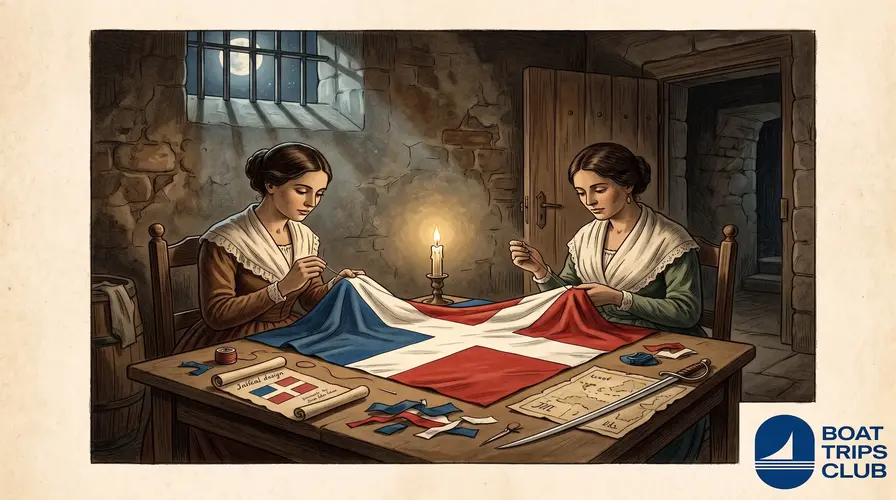
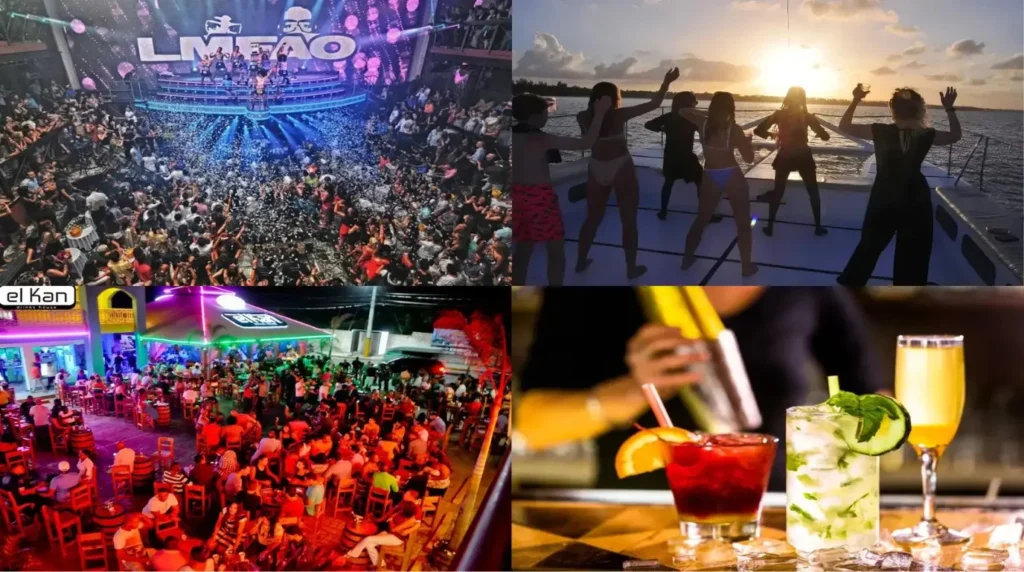
Dominican Independence Day is celebrated annually on February 27th. In Punta Cana, locals mark the occasion with vibrant street parties, traditional Dominican food, loud merengue music, and colorful parades. The holiday honors the country’s 1844 declaration of independence and features widespread displays of the national flag.
February 27th hits Punta Cana with an undeniable wave of energy. The resort areas might keep things relaxed, but step off the main strips and the real party begins.
You'll hear the sharp, driving rhythm of merengue and bachata blasting from corner stores. Locals pour into the streets wearing red, white, and blue. The smell of frying plantains, roasted pork (pernil), and empanadas fills the humid air.
Want to feel the real energy of freedom? Get off the sand. There is no better way to celebrate a tropical independence day than ripping across the coastline.
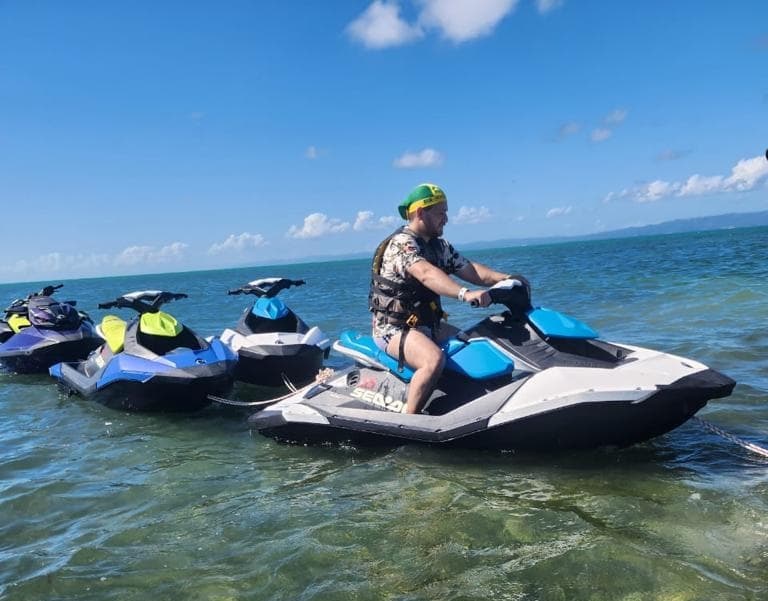
Imagine hitting the waves on a jet ski while the sun beats down and the shoreline pulses with music. The water offers a totally different perspective of the island. In our experience, morning rides give you the clearest water, but afternoon sessions let you feel the heat of the daytime celebrations rolling off the beach.
Traveling with a crew? The holiday atmosphere makes it the perfect time to explore the coast. If you need a solid list of things to do in Punta Cana for families, getting everyone out on the water is an absolute must. It beats sitting by a crowded hotel pool any day.
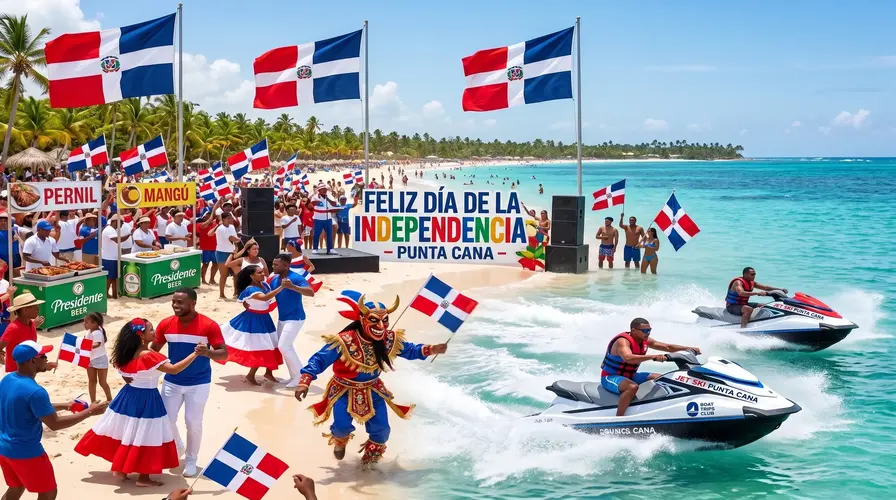
Dominicans are incredibly welcoming. They love it when visitors show genuine interest in their culture. If you are here on February 27th, don't just watch from a distance.
Grab a local President beer. Try some authentic mangú. Say "Feliz Día de la Independencia" to your tour guides and hotel staff. A little effort goes a remarkably long way. Just remember to treat the flag with respect. Don't drag it on the ground or treat it like a cheap prop.
If you want to ensure your trip hits all the right notes, checking the official Dominican Republic cultural guidelines can keep you on the right track. Knowing the local customs makes every interaction smoother. Keep this in mind when you plan your Punta Cana itinerary. Schedule time for raw, unguided exploration alongside your booked tours.
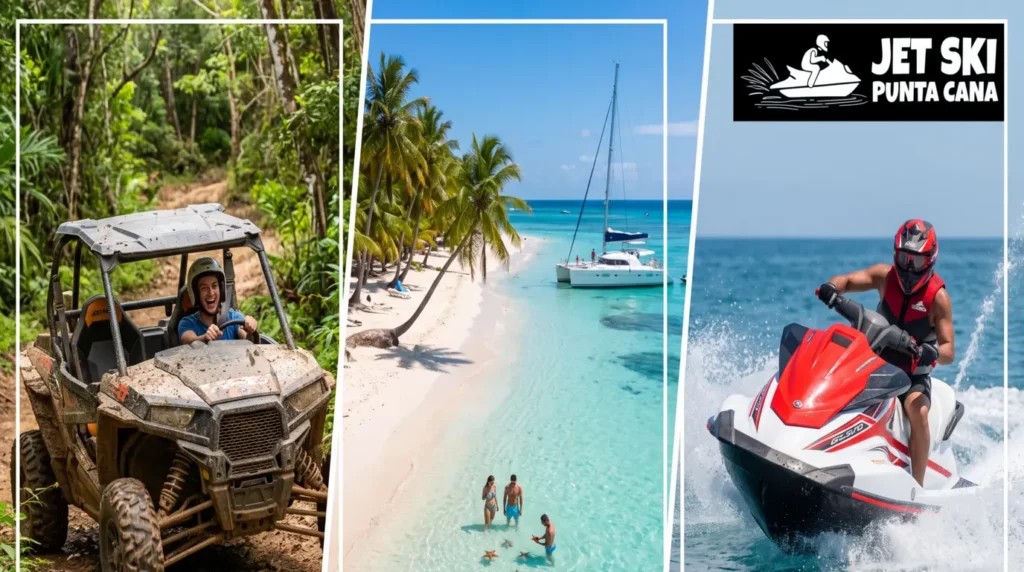
Reading about the island's history is one thing. Feeling the spray of the Caribbean Sea on your face is another. Don't just sit on the sand during your vacation. Book your premium ride with Jet Ski Punta Cana today and experience the ultimate freedom on the water.
Yes. The Dominican Republic is completely unique in this regard. No other recognized national flag features a Bible in its coat of arms. The open book serves as a permanent symbol of the nation's deeply rooted Catholic faith and its reliance on divine guidance.
Juan Pablo Duarte is the primary visionary behind the design. As the leader of the La Trinitaria secret society, he conceptualized the layout. However, Maria Trinidad Sánchez and Concepción Bona were the actual hands that sewed the very first flag under the cover of darkness.
The most intense local celebrations happen in the nearby city of Higuey, but you don't have to travel far. Bavaro and local coastal spots get incredibly lively. If you want to join the local crowds, head to the public access points of the best beaches in the area. Macao Beach, in particular, always draws a massive, energetic local crowd on holidays.
We have a total of 8 jet skis, perfect for up to 14 participants.
Tour duration is approximately 4 hours and includes round-trip hotel transportation.
Available from Wednesday to Sunday, with departures at 9:00 AM and 2:00 PM.
Pick-up times may vary depending on your hotel location, typically 1 hour before the activity starts.