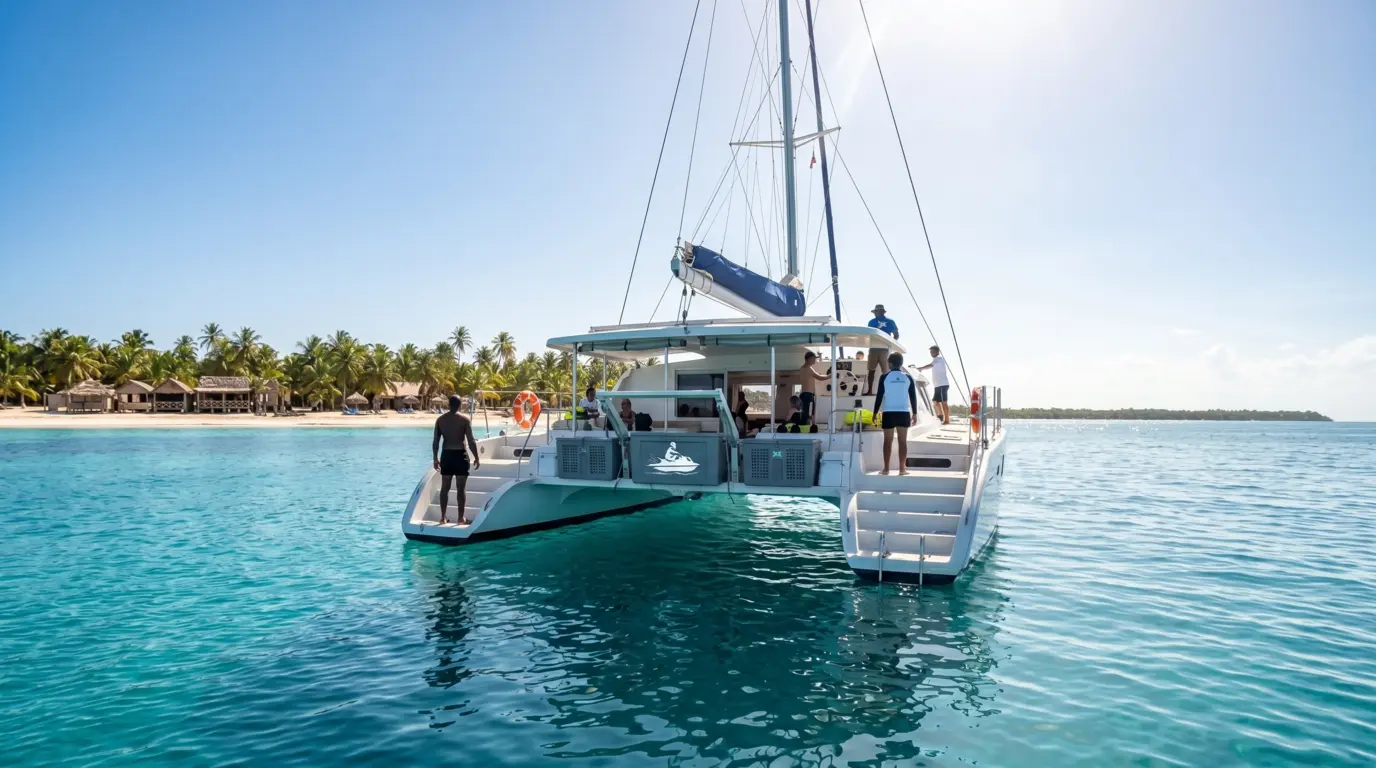
You're standing on the docks in La Romana. The morning air feels heavy with salt. Outboard motors hum as catamaran crews prep their rigging for the day's crossing. You want to see vibrant marine life, not just endless stretches of white sand.
That means you're heading to Isla Catalina.
Unlike the massive, party-focused catamarans heading east, an Isla Catalina excursion is built for the ocean purist. It’s a dedicated, protected marine environment that offers some of the clearest water in the Caribbean. If you crave underwater exploration over crowded beach bars, this trip demands a spot on your itinerary.
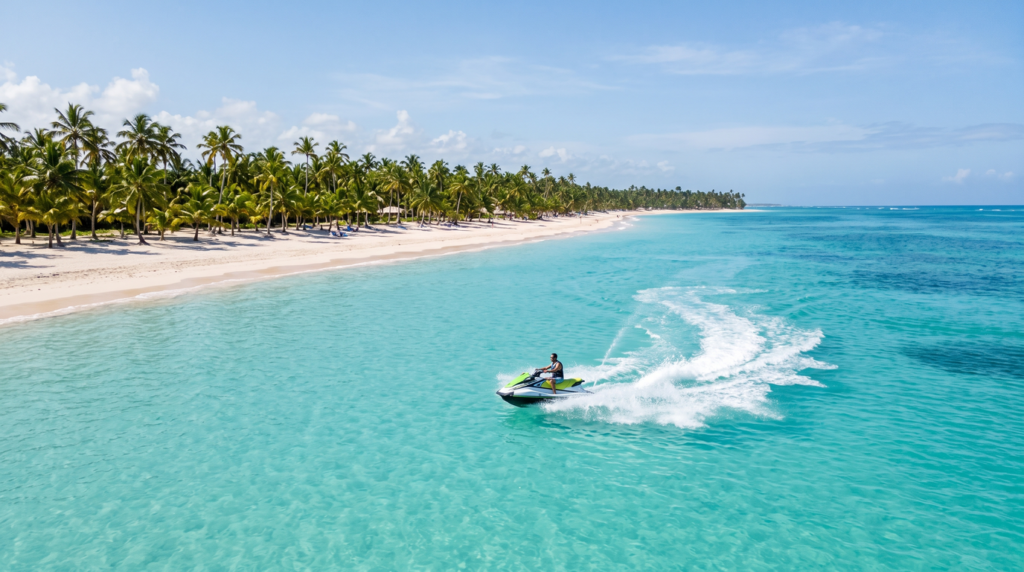
While our team specializes in high-octane Jet Ski Punta Cana rentals right on the main coast, we always point thrill-seekers southward for world-class reef diving.
Let’s break down exactly what makes this island the ultimate aquatic playground, how to get there, and what you'll see when you finally plunge beneath the surface.
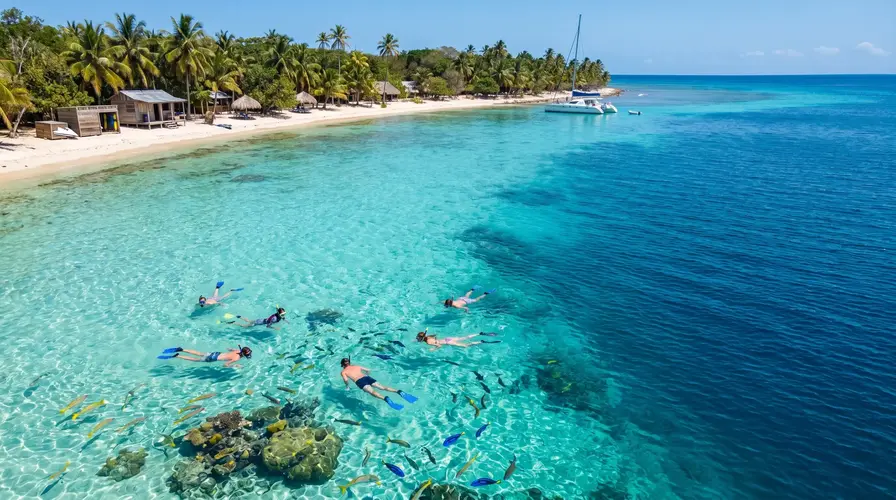
Isla Catalina is a protected marine park located 1.5 miles off the mainland coast of La Romana in the Dominican Republic. Recognized globally for its pristine coral reefs and unparalleled water clarity, it serves as the absolute top destination for scuba divers and snorkelers visiting the country.
Most coastal areas near Bávaro feature rougher Atlantic currents that churn up sand and lower visibility. Catalina Island sits perfectly sheltered in the Caribbean Sea.
The result? Glass-like surface conditions.
Because the Dominican government heavily regulates commercial activity here, the reefs remain untouched by heavy industrial boat traffic. You won't find massive resorts pouring concrete onto the shoreline. You'll only find native palm trees, wooden beach shacks, and a steep drop-off into a vibrant blue abyss.
When you compare this environment to the standard beaches in Punta Cana, the contrast is stark. You trade the resort-lined coast for a genuinely wild, preserved slice of the National Park of the East.
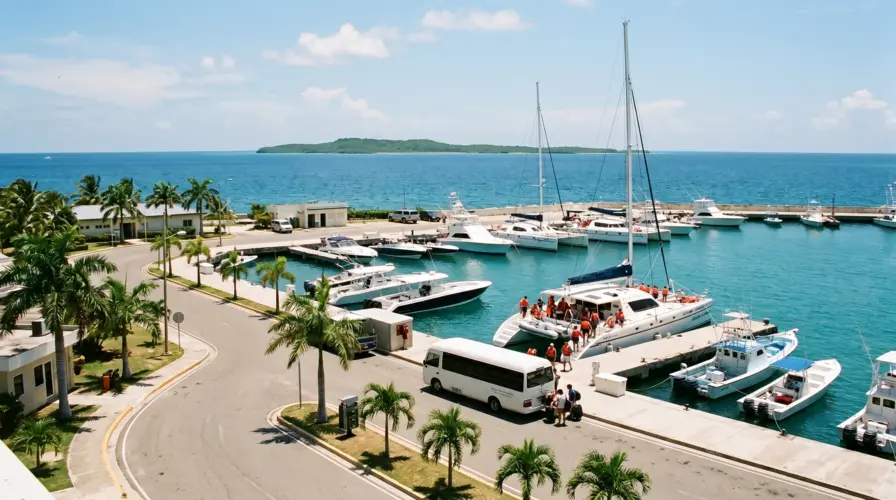
Isla Catalina is approximately 45 to 55 miles (72 to 88 km) from Punta Cana. The trip requires a 1-hour drive via the Autopista del Coral highway to the La Romana port, followed by a 30-minute catamaran or speedboat ride across the channel to the island.
You can't just walk out of your Bávaro resort and hop on a boat to Catalina. It requires a dedicated travel day.
Most tour operators pick you up directly from your hotel lobby between 7:00 AM and 8:00 AM. You'll board an air-conditioned bus and head south on the Autopista del Coral. The drive itself offers a great look at the Dominican countryside, passing vast sugarcane fields and local towns.
Once you hit the docks in La Romana, the real adventure starts.
Crews load you onto either a spacious sailing catamaran or a fast speedboat. The crossing takes roughly 30 to 45 minutes, depending on the vessel. Before you pack your dry bag, we highly recommend reading through our core Punta Cana travel tips to ensure you bring the right eco-friendly gear.
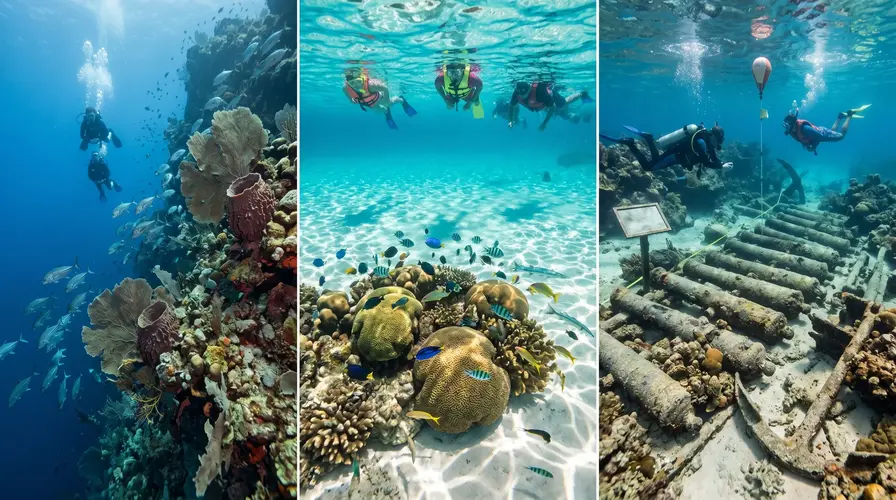
This isn't a quick dip in the resort pool. Isla Catalina offers three distinct underwater zones that cater to entirely different skill levels.
Ask any local divemaster about Catalina, and they’ll immediately mention The Wall.
This dramatic underwater cliff starts at a depth of about 15 feet and abruptly plunges down to over 100 feet. It’s an imposing, awe-inspiring vertical drop covered in massive sea fans, brain corals, and tube sponges.
Advanced snorkelers can float right at the edge of the shelf and stare down into the dark blue. Scuba divers, adhering strictly to PADI certified dive standards, can descend the face of the cliff to spot larger pelagic fish passing through the channel. Expect to see massive schools of sergeant majors, the occasional nurse shark resting under coral ledges, and spotted eagle rays gliding effortlessly in the current.
Not ready for a vertical drop into the abyss? Head to The Aquarium.
Living up to its name, this shallow site ranges from 10 to 15 feet deep. It features a bright, white sandy bottom dotted with sprawling coral heads. Because sunlight easily penetrates to the seafloor here, the colors of the marine life pop with incredible intensity.
This is the primary drop zone for standard snorkeling tours. You'll float effortlessly above schools of yellowtail snappers, vivid blue tangs, and aggressive little damselfish defending their territory. Keep your eyes on the sand—you'll often spot southern stingrays burying themselves for a mid-morning nap.
If you want raw pirate history, you've found it.
In 1699, the notorious Captain William Kidd abandoned his captured merchant ship, the Quedagh Merchant, right off the coast of Isla Catalina. For centuries, the wreck was lost to history. Researchers finally discovered it in 2007.
The best part? It sits in less than 10 feet of water, mere yards from the shore.
Snorkelers can literally float directly over the rusted remains of 17th-century cannons stacked on the seafloor. It is a surreal, visceral experience that bridges the gap between natural beauty and human history. Swimming over a genuine pirate shipwreck easily ranks among the most unique things to do in Punta Cana and the broader Dominican Republic.
Tourists constantly debate whether to visit Isla Catalina or Saona Island. They are completely different experiences.
If you want a high-energy booze cruise with waist-deep natural pools and a massive beach party, go to Saona. If your priority is actually looking at fish, swimming over reefs, and enjoying a quieter beach, choose Catalina.
Review the breakdown below to make your choice.
| Feature | Isla Catalina | Saona Island |
| Primary Focus | Snorkeling, Scuba Diving, and Reef Exploration | Beach Parties, Natural Pools, and Relaxing |
| Travel Time from Bávaro | ~1 Hour Drive + 30 Min Boat Ride | ~1.5 Hour Drive + 45 Min Boat Ride |
| Overall Vibe | Quiet, Eco-focused, and Active | High-Energy, Festive, and Crowded |
| Snorkeling Quality | World-Class. Clear water, deep walls, shipwrecks. | Poor to Average. Mostly sandy bottoms, churned water. |
| Beach Type | Narrower, rugged coastlines with distinct drop-offs. | Massive, sprawling white sand beaches. |
The best time to visit Isla Catalina is between December and April. During these dry season months, ocean visibility peaks at over 100 feet, and the water remains perfectly calm, offering ideal conditions for snorkeling, scuba diving, and exploring the reefs.
You need calm surface water to enjoy a snorkeling trip. Heavy rain or strong winds churn up the ocean floor, instantly dropping visibility from 100 feet down to 10.
Winter and early spring are prime time. The skies are generally clear, and the Caribbean side of the island is shielded from the rougher northern trade winds. If you plan a holiday trip, the Punta Cana weather in December is exceptionally favorable for a La Romana boat crossing.
Following into the new year, the Punta Cana weather in January keeps the humidity low and the ocean temperatures comfortable. You won't even need a wetsuit; standard swimwear works perfectly. During the summer hurricane season (August to October), trips are often subject to sudden cancellations due to squalls.
A typical Isla Catalina excursion costs between $85 and $120 per person. Tours usually include round-trip hotel transportation, a catamaran or speedboat ride from La Romana, guided snorkeling sessions with provided gear, a traditional Dominican buffet lunch on the beach, and an open bar.
Your day is fully mapped out from the moment you step onto the bus.
After completing the drive and boarding your boat, the captain usually navigates directly to The Wall or The Aquarium. You'll spend about 45 minutes to an hour in the water. Guides toss bread or fish food into the current to swarm the boat with tropical fish before you even jump in.
While mainland water sports Punta Cana activities focus on speed, this tour focuses on pacing.
After snorkeling, the boat docks at Catalina's pristine private beach. The crew fires up the grill. You'll eat a massive plate of BBQ chicken, rice, beans, and fresh fruit right on the sand. The open bar kicks in, serving local rum and Presidente beer. You'll have about three hours of free time to tan, swim in the shallows, or buy some Punta Cana souvenirs from the few local vendors permitted on the island by the Dominican Republic Ministry of Tourism.
Around 3:00 PM, the boat blasts tropical music, and you sail back to the La Romana port to catch your bus home.
Beginners and families visiting Isla Catalina should stick to "The Aquarium" snorkeling site for calm, shallow waters. Always wear a Coast Guard-approved life jacket, use reef-safe sunscreen to protect the coral, and stay close to your designated tour guide for a safe ocean experience.
Taking a family out on the open ocean can feel intimidating. Don't worry. Catalina is remarkably safe for non-swimmers.
The boat crews are highly trained to handle beginners. They provide inflated snorkeling vests that keep you entirely buoyant. You literally just float on your stomach and breathe. If you're compiling a list of things to do in Punta Cana with kids, this trip builds incredible confidence in the water.
Couples also love the isolation. Walking down the far ends of the beach away from the buffet lines offers complete privacy. It effortlessly earns its place among the best things to do in Punta Cana for couples who want a romantic day away from the noisy resort pools.
A final piece of expert advice? Skip the full-face snorkel masks. Traditional two-piece masks and tubes leak far less and are much safer if you need to clear water quickly. Spit in your mask, scrub it, rinse it in the salt water, and pull it tight.
Jump in. The reef is waiting.
We have a total of 8 jet skis, perfect for up to 14 participants.
Tour duration is approximately 4 hours and includes round-trip hotel transportation.
Available from Wednesday to Sunday, with departures at 9:00 AM and 2:00 PM.
Pick-up times may vary depending on your hotel location, typically 1 hour before the activity starts.