Choosing between the two undisputed heavyweights of Caribbean travel is never easy. Both destinations boast powdery white sand, massive all-inclusive resorts, and direct flights from major international hubs. But that is exactly where the similarities end.
If you are planning a vacation for 2026 and find yourself stuck debating Punta Cana vs Cancun, you need to look past the glossy travel brochures. One destination is a high-octane cultural epicenter heavily geared toward nightlife and ancient history. The other is a laid-back, palm-draped tropical haven engineered specifically for luxury relaxation and high-speed water sports.
Which one actually fits your travel style, budget, and adventure tolerance? We break down the absolute ground truth regarding beaches, safety, costs, and marine activities so you can book your flights with zero regrets.
Cancun is a high-energy destination known for massive nightclubs, walkable hotel zones, and ancient Mayan history. Punta Cana offers a more relaxed, secluded resort experience defined by calmer, palm-lined beaches, sprawling all-inclusive luxury, and vastly superior access to high-adrenaline water sports in Punta Cana.
Mexico’s undisputed tourism capital operates at a relentless pace. Positioned on the northeastern coast of the Yucatán Peninsula, Cancun was quite literally built for tourism in the 1970s. It features a distinct "Hotel Zone" shaped like a massive number seven, bordered by the Caribbean Sea on one side and the Nichupté Lagoon on the other. You go to Cancun when you want constant action, world-class culinary scenes, and easy access to ancient ruins.
Cancun offers massive historical and geographical diversity if you are willing to drive.
Navigating Cancun is straightforward but heavily commercialized. The entire Hotel Zone runs along a single main avenue (Boulevard Kukulcan). Public buses run this strip 24/7, making it incredibly cheap and easy to bounce between restaurants, shopping malls, and massive nightclubs. Taxis are everywhere, though you must negotiate the fare before getting in. The U.S. dollar is widely accepted, but paying in Mexican Pesos almost always secures a better exchange rate.
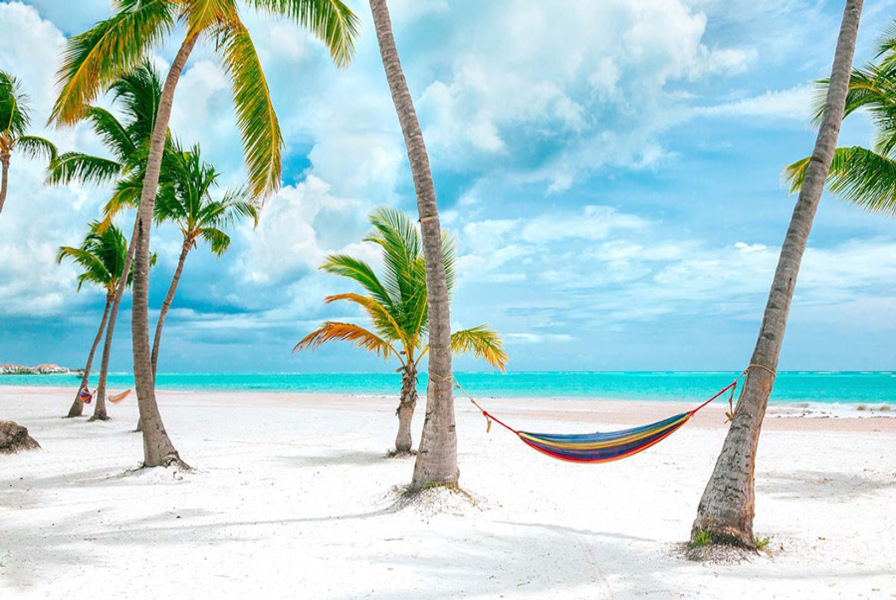
If Cancun is a high-speed highway, Punta Cana is a private island retreat. Located on the easternmost tip of the Dominican Republic, this region is famous for its sprawling, self-contained mega-resorts. You come to Punta Cana to disconnect. The beaches here are softer, flanked by dense coconut palms rather than concrete high-rises, and the ocean is protected by natural barrier reefs, creating flat, glassy waters perfect for marine exploration.
Excursions in the Dominican Republic center heavily on raw nature and ocean adventures. When you look at the best things to do in Punta Cana, you will quickly notice a theme: water and horsepower.
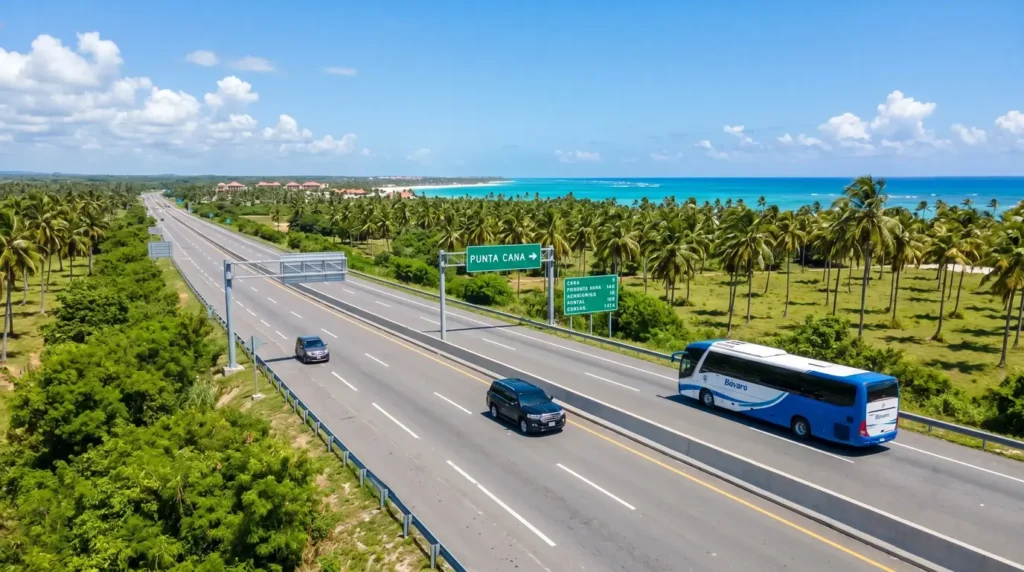
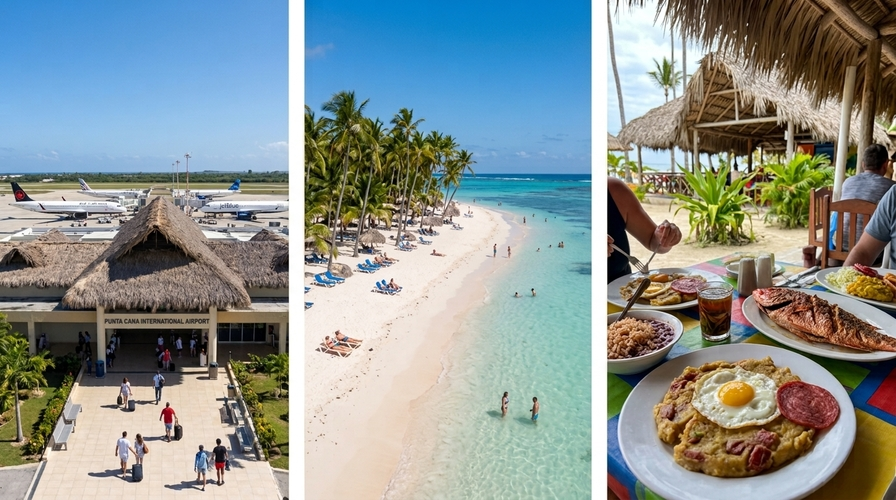
The logistical flow here differs entirely from Mexico. You will fly into Punta Cana International Airport (PUJ)—an open-air, thatch-roofed facility that immediately sets the tropical tone. From there, you rely on pre-booked airport shuttles. Because resorts are massively spread out across different coastal zones (like Cap Cana, Bavaro, and Uvero Alto), tourists generally stay on their property or book guided excursions that include round-trip transport. For a deeper dive into logistics, read our complete Punta Cana travel guide.
Comparing these two locations requires looking at specific operational facts. A generic beach vacation is easy to find, but nailing the exact vibe requires understanding these distinct categories.
Both destinations dominate Caribbean air traffic. Cancun International (CUN) is massive, receiving hundreds of direct flights daily from across the United States, Canada, and Europe. Flight times from the U.S. East Coast hover around two to three hours.
Punta Cana (PUJ) is equally accessible. It holds the title for the busiest airport in the Dominican Republic. Flights from New York or Miami are short, direct, and frequent. Neither destination requires complicated layovers if you are flying from a major North American hub.
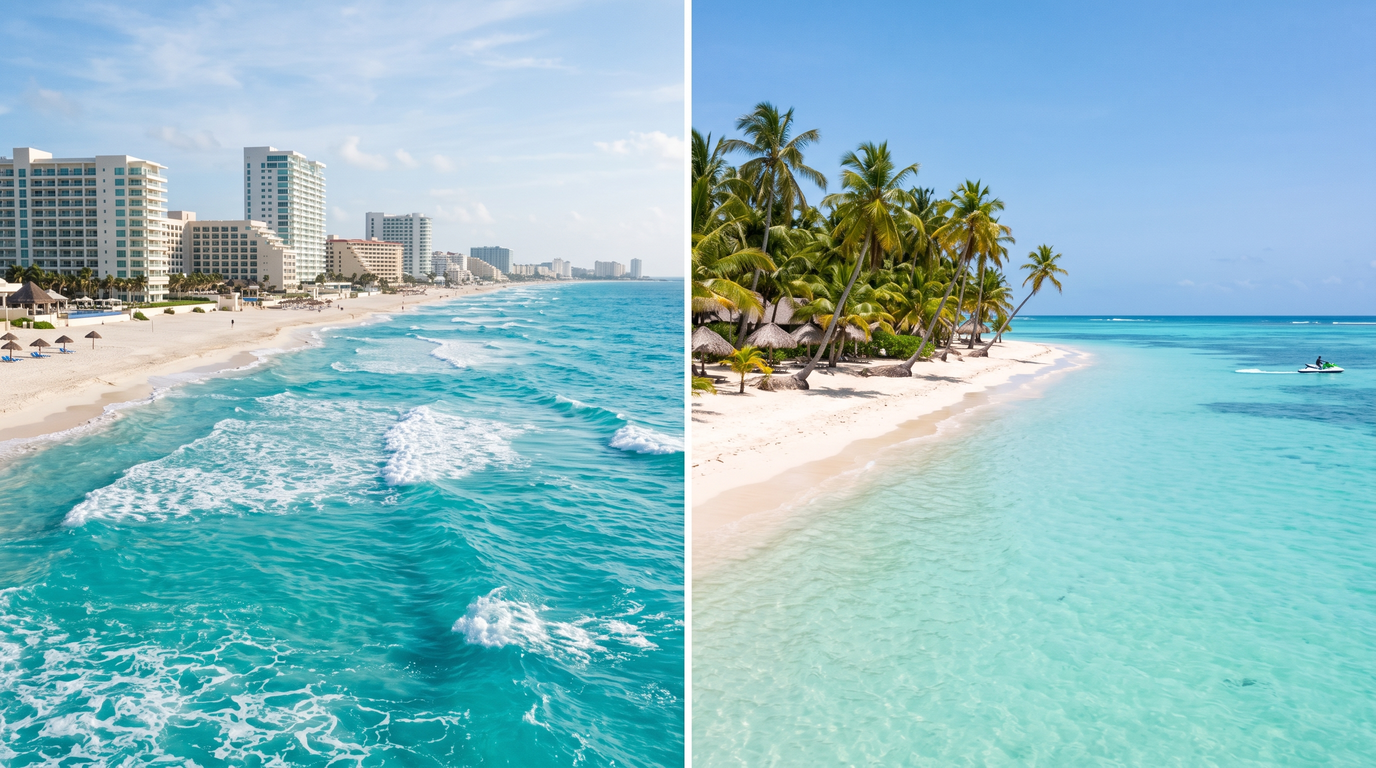
This is where the divide becomes obvious. Cancun’s beaches face the open Caribbean Sea. The water is an electric, shocking turquoise, but the surf can be rough. Strong undertows and red-flag days are common, severely limiting swimming or offshore water sports directly in front of your hotel.
Punta Cana sits where the Atlantic Ocean meets the Caribbean. A massive offshore coral reef breaks the incoming waves. The result? Flat, calm, waist-deep water that feels like a massive swimming pool. This makes the beaches in Punta Cana far superior for wading, paddleboarding, and high-speed watercraft. If you track historical ocean temperature tracking data, you will find both destinations maintain incredibly warm, bath-like waters year-round.
Cancun wins on sheer culinary diversity. Beyond the all-inclusive buffets, downtown Cancun and the Hotel Zone feature authentic street tacos, high-end steakhouses, and Michelin-star-level dining. You will eat incredible Al Pastor, fresh ceviche, and complex mole sauces.
Punta Cana’s food scene is highly centralized within the resorts. While the quality is excellent, it caters to a broader, international palate. To get authentic Dominican food—like mangú (mashed plantains), fried red snapper, and slow-roasted pork—you usually need to leave the resort and visit local dining spots in coastal towns.
Cancun is globally recognized as a party capital. Venues like Coco Bongo, The City, and Mandala hold thousands of people, featuring acrobats, foam parties, and international DJs. The nightlife is highly concentrated, allowing you to walk from club to club.
Punta Cana also features a massive Coco Bongo, but the overall nightlife is much more relaxed. You will find incredible cave clubs like Imagine, or local spots like Drink Point, but you must take a taxi to reach them. Most visitors prefer the beachside bars and resort-hosted shows over grinding in a packed nightclub until 5:00 AM.
Cancun is highly walkable. If you stay in the Hotel Zone, you can leave your lobby and immediately access sidewalks, pharmacies, convenience stores, and restaurants.
Punta Cana is entirely resort-centric. There is no central "strip" connecting all the hotels. If you want to leave your resort to explore restaurants or local shops, you will need a taxi, an Uber, or a scheduled excursion transfer. However, if you want a taste of local town life, exploring the things to do in Bavaro provides a great walkable mix of beach bars and small vendor markets.
Cancun is heavily influenced by its Mayan heritage. You can easily access ancient ruins and learn about indigenous history within a short drive.
Punta Cana showcases Afro-Caribbean culture. The vibe revolves around Merengue and Bachata music, rum production, and cigar rolling. Picking up authentic Punta Cana souvenirs—like Mamajuana (a local spiced rum drink) or Larimar jewelry—gives you a direct connection to the island's unique history.
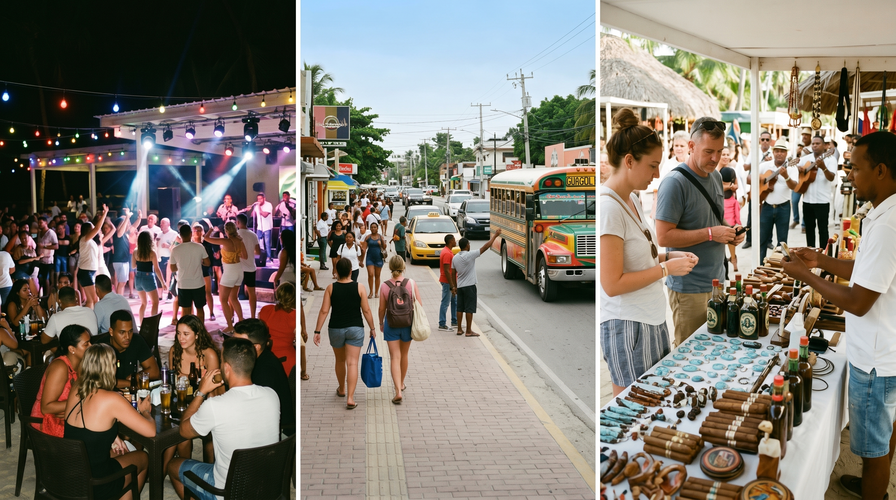
Both locations rely heavily on tourism dollars, meaning local governments invest massive resources into keeping tourist zones secure. Cancun’s Hotel Zone is heavily patrolled by local police and the National Guard. While cartel violence occasionally makes headlines in Mexico, it rarely targets tourists in the established resort strips.
Punta Cana is widely considered one of the safest destinations in the Caribbean. The Dominican Republic utilizes a specialized tourist police force (POLITUR) that actively patrols beaches and resort areas. Violent crime against tourists is exceptionally rare. In both cases, stick to standard travel common sense: avoid buying illegal substances, do not walk alone on unlit beaches at night, and always check current official travel advisories before flying.
Cancun caters to every budget imaginable. You can find $50-a-night hostels downtown or $1,000-a-night luxury suites in the Hotel Zone. Because it is highly commercialized, dining out and booking independent tours is easy and highly competitive.
Punta Cana heavily favors the all-inclusive model. While the upfront cost of a resort might seem higher, your food, drinks, and baseline entertainment are completely covered. For a five-star, all-inclusive luxury experience, Punta Cana consistently delivers a better price-per-night value than Cancun.
Both destinations share a similar tropical climate. High season runs from December through April, offering dry days, lower humidity, and cooler nights. If you analyze Dominican Republic weather in January, you will see daytime highs hovering perfectly around 82°F (28°C).
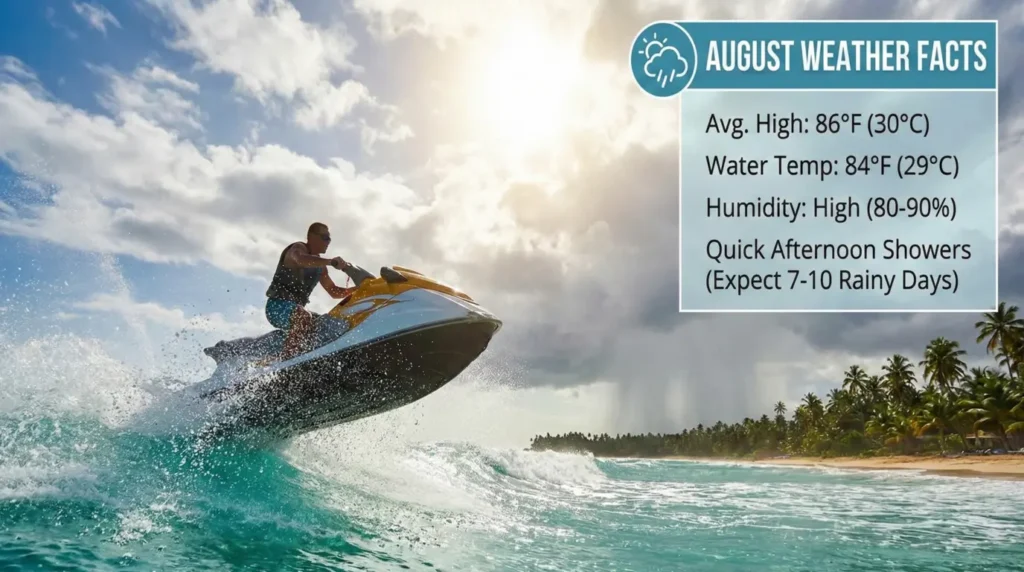
Hurricane season officially runs from June to November. While direct hits are rare, expect shorter, heavier afternoon rain showers. The sweet spot for deals and excellent conditions is often late fall; Punta Cana weather in December offers a perfect escape from freezing North American winters just as the rainy season ends.
Cancun is dominated by American tourists. The proximity to the U.S. border and the dominance of the dollar make it a default choice for spring breakers, weekend warriors, and bachelor parties.
Punta Cana attracts a highly international crowd. You will hear French, German, Russian, and Spanish constantly. Large populations of Canadians and Europeans choose the Dominican Republic for two-week-long holidays, giving the beaches a distinctly international, laid-back European flair.
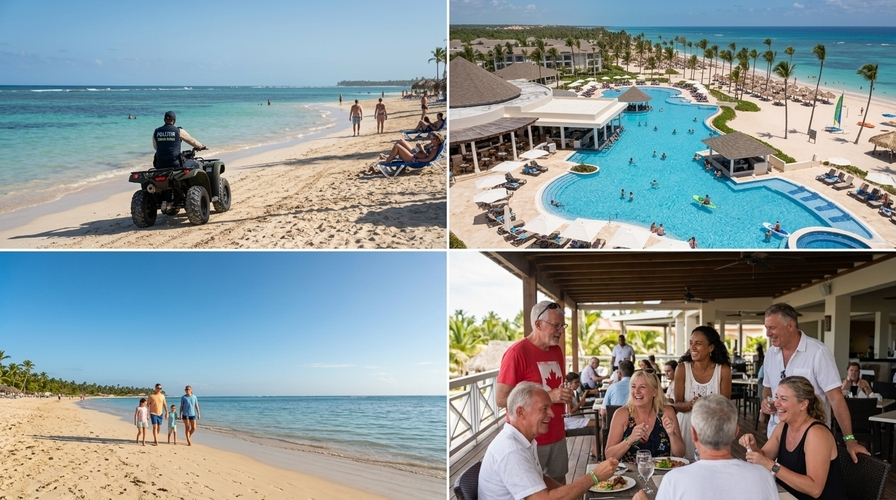
When it comes to high-octane marine adventures, Punta Cana absolutely destroys the competition. Cancun’s open ocean faces strong rip currents, and local regulations strictly limit where personal watercraft can operate. Most Cancun jet ski rentals restrict you to the flat, sometimes murky waters of the Nichupté Lagoon, severely limiting the feeling of ocean freedom.
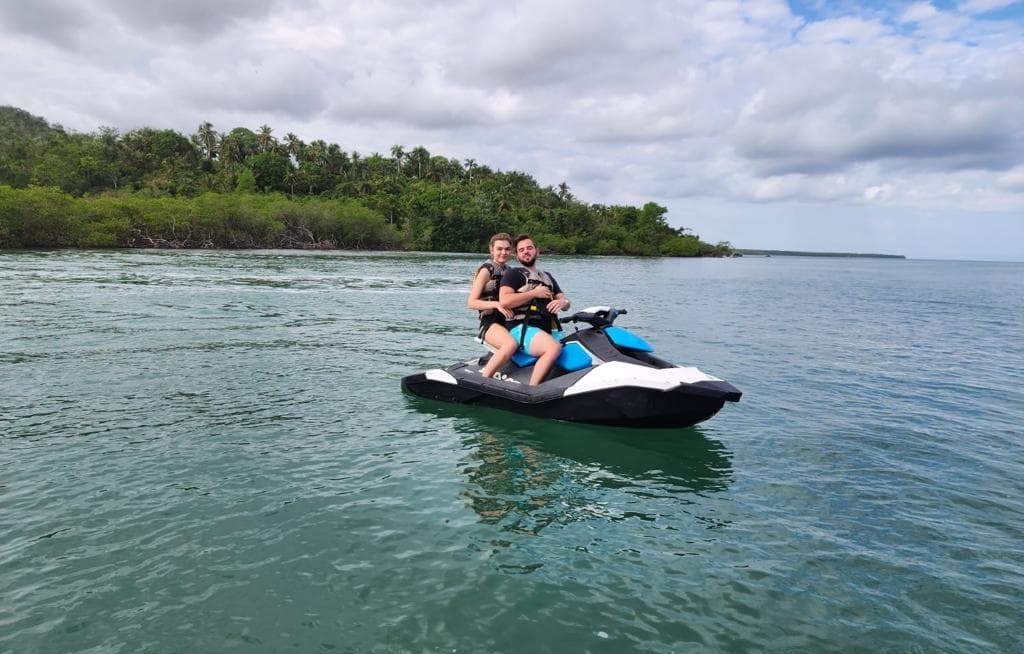
The Dominican Republic operates differently. The massive barrier reef off the Bavaro coast crushes incoming Atlantic swells, creating miles of protected, crystal-clear turquoise playgrounds. If you are serious about adrenaline, renting a jet ski in Punta Cana allows you to safely throttle a high-output Yamaha Waverunner right across the ocean surface.
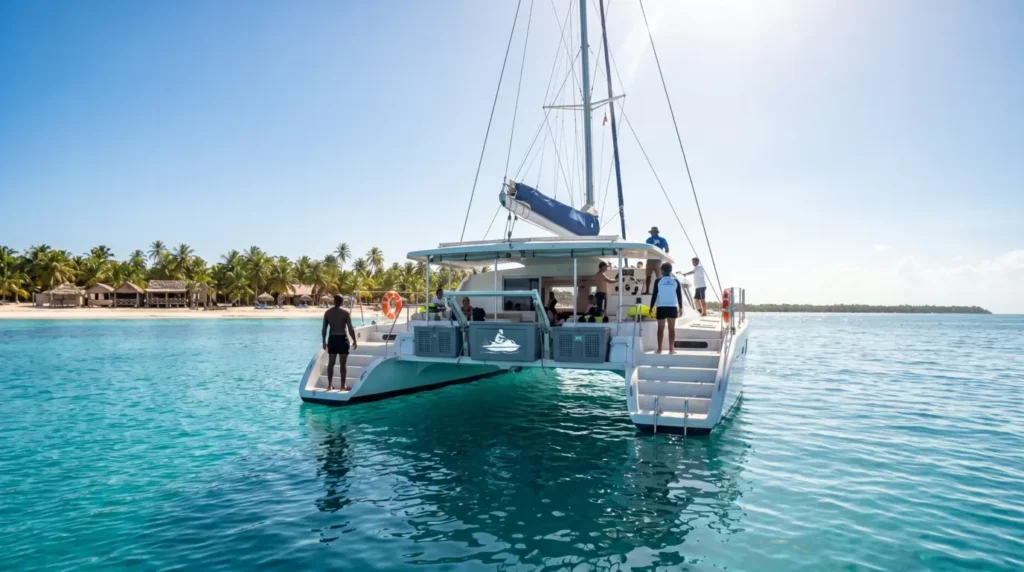
Local operators offer highly structured, compliant tours managed by the Armada de República Dominicana. You do not have to choose just one activity, either. You can easily book a comprehensive jet ski and aqua kart package, allowing you to drift custom-built aquatic go-karts across the Caribbean before switching to a 110-horsepower jet ski. For pure on-the-water freedom, Punta Cana wins flawlessly.
Your choice ultimately boils down to who you are traveling with.
Punta Cana edges out Cancun for families with younger children. The massive mega-resorts feature dedicated water parks, kids' clubs, and calm, shallow beaches with zero undertow. Finding safe, low-stress things to do in Punta Cana with kids is practically effortless when you never have to leave the resort grounds.
Both offer incredible romance, but they serve different vibes. If your idea of romance is dressing up, hitting a fine dining restaurant, and dancing until 3:00 AM, book Cancun. If your goal is a private plunge pool, secluded couples massages, and quiet beach walks, Punta Cana is unmatched. Exploring things to do in Punta Cana for couples usually involves private catamaran charters and sunset dinners on the sand.
Solo travelers looking to meet people and party will thrive in Cancun's hostel and nightclub scene. However, adventure seekers who want to burn fuel and hit top speeds prefer the Dominican Republic. Booking a multi-activity excursion like the Aqua Splash Punta Cana guarantees a high-adrenaline afternoon without needing a large group to split the cost.
Cancun’s environmental tourism is deeply tied to the jungle. The Yucatán Peninsula’s cenotes are entirely unique to the region, offering eerie, beautiful underground scuba diving and swimming. Furthermore, the Mesoamerican Barrier Reef just offshore provides incredible marine life encounters.
Punta Cana counters with dense tropical ecology. The Indigenous Eyes Ecological Park offers 12 freshwater lagoons hidden inside a massive lowland subtropical forest. Offshore, the protected coral nurseries managed by local foundations keep the marine ecosystem thriving. While Cancun offers the striking underground cenotes, Punta Cana provides lush, above-ground tropical tranquility.
| Feature | Cancun | Punta Cana |
| Overall Vibe | High-energy, fast-paced, highly commercial. | Relaxed, secluded, tropical luxury. |
| Best For | Nightlife, foodies, Mayan history, walkable strips. | All-inclusive relaxation, couples, families. |
| Beaches | Stunning blue, but frequent rough surf/undertows. | Calm, reef-protected, flat glassy water. |
| Water Sports | Limited strictly to lagoons in many areas. | World-class ocean jet skiing and boating. |
| Nightlife | Massive international mega-clubs. | Low-key beach bars and resort shows. |
| Pricing | Better for budget travelers and a-la-carte dining. | Better value for 5-star all-inclusive packages. |
1. Which is cheaper, Punta Cana or Cancun?
Punta Cana generally offers better value for high-end, all-inclusive resort packages. Cancun provides more flexibility for budget backpackers due to cheap downtown hostels and highly affordable local street food.
2. Which destination has better beaches?
Cancun has stunning, bright blue water but suffers from rough surf. Punta Cana has softer sand, massive palm trees, and calm, reef-protected waters that are much safer for swimming and watercraft.
3. Do I need a passport for Punta Cana or Cancun?
Yes. U.S., Canadian, and European citizens must carry a valid passport to enter both Mexico (Cancun) and the Dominican Republic (Punta Cana). Ensure your passport is valid for at least six months past your travel dates.
4. Is Punta Cana safer than Cancun?
Both are generally safe for tourists within the main hotel zones. However, Punta Cana is widely considered slightly safer overall, featuring a massive dedicated tourist police force and heavily gated, spread-out resort properties that limit unauthorized access.
We have a total of 8 jet skis, perfect for up to 14 participants.
Tour duration is approximately 4 hours and includes round-trip hotel transportation.
Available from Wednesday to Sunday, with departures at 9:00 AM and 2:00 PM.
Pick-up times may vary depending on your hotel location, typically 1 hour before the activity starts.