Quick Overview: Punta Cana experiences an average air temperature of 82°F (28°C) and an average ocean temperature of 81°F (27°C) year-round. The dry season runs from December to April, while the rainy season spans May to November. Despite seasonal shifts, water sports and excursions operate safely and comfortably all 12 months of the year.
When you land in the Dominican Republic, the first thing you notice is the immediate, wrapping warmth of the Caribbean air. Understanding how that warmth translates to ocean conditions is the key to planning the perfect itinerary.
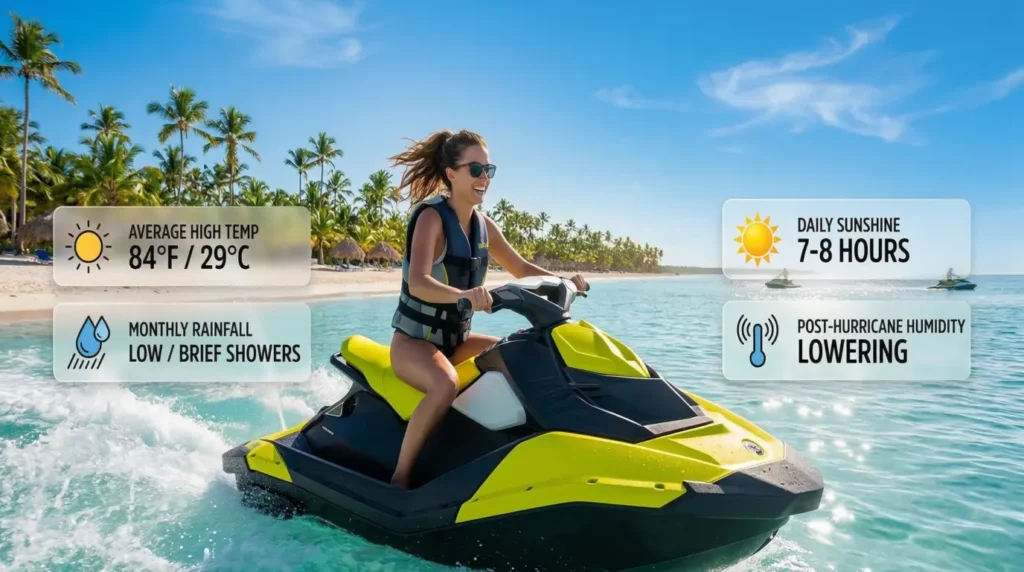
The beauty of this coastline is its absolute consistency. You can expect an average daily air temperature hovering between 78°F and 86°F. The ocean remains incredibly inviting, averaging 81°F, meaning you will never need a wetsuit. On average, the region enjoys 8 to 9 hours of brilliant, direct sunshine every single day, making things to do in the Dominican Republic easily accessible regardless of when you book your flights.
If you check your generic smartphone weather app a week before your trip, it will likely show rain icons for every single day. Do not panic. A rain icon in the Caribbean usually signifies a brief, intense 15-minute tropical shower that rolls through mid-afternoon, completely clearing up shortly after. These passing showers rarely ruin a beach day. True multi-day washouts are exceptionally rare, meaning that forecast of "rain" is usually just a brief pause before the sun comes roaring back.
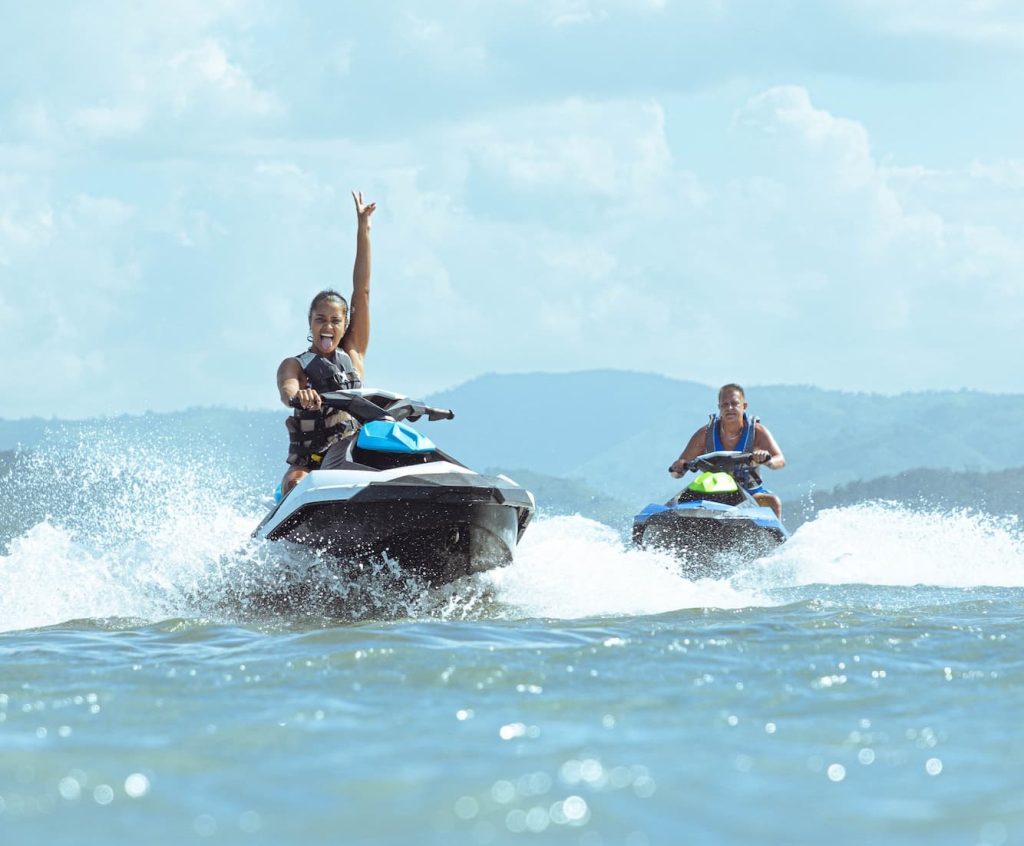
The ocean’s texture changes entirely depending on the time of day, driven by the Atlantic Trade Winds. Early mornings are consistently glassy, flat, and calm. If you want to ride with Jet Ski Punta Cana, the hours between 8:00 AM and 11:00 AM provide mirror-like surface conditions. As the afternoon progresses, the trade winds pick up, creating choppy, textured water that is fun for splashing in the waves but slightly bumpier for high-speed riding.
The shoreline is massive. The ocean behaves entirely differently depending on exactly where your resort is located. Choosing the right beach is just as important as choosing the right month.
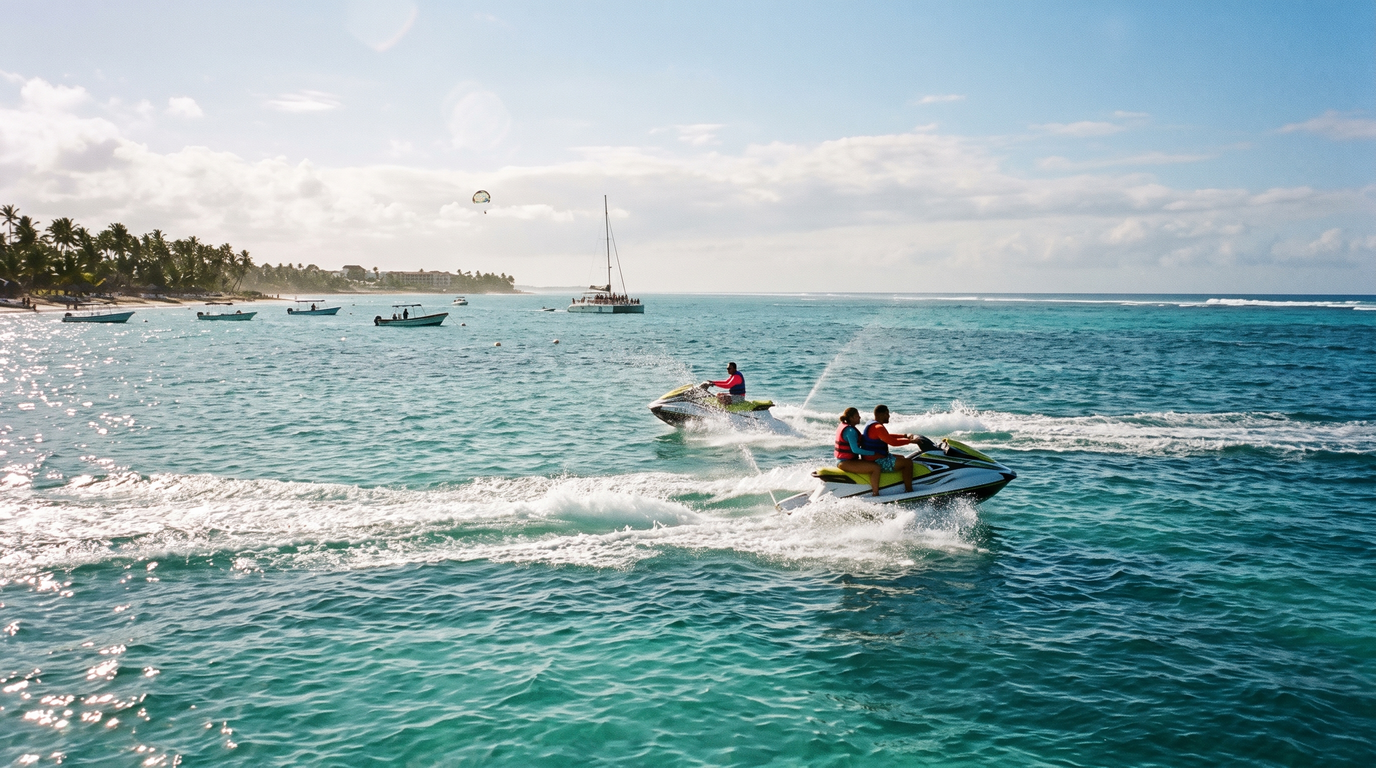
If you want smooth sailing, this is the prime zone. Bávaro Beach is protected by a massive offshore barrier reef. This natural wall breaks the heavy Atlantic swells miles out, leaving the shoreline waters calm, flat, and exceptionally safe. Understanding exactly where is Bávaro Beach located is crucial, because this protected stretch is exactly where we run our core jet ski operations. The reef protection guarantees optimal riding conditions almost every day.
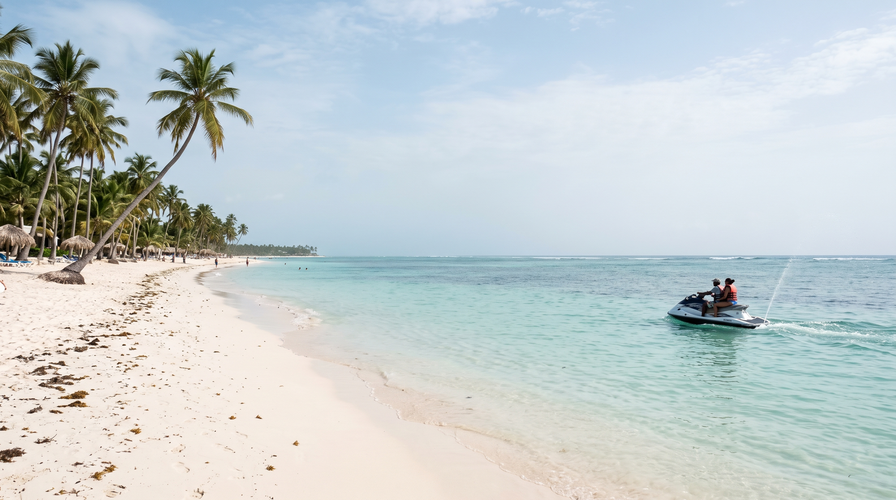
Moving slightly south, these areas form sheltered, scooped bays. The water here is highly tranquil, making it an excellent spot for leisurely swimming and wading without fighting heavy undercurrents.
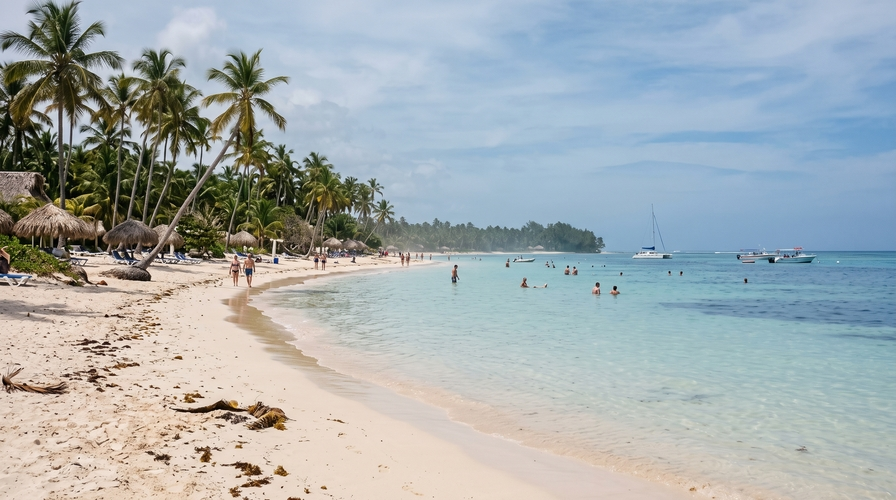
These northern beaches face the open Atlantic Ocean. There is no barrier reef here. You will find massive, rolling swells and heavy surf. It is an incredible spot for professional surfing, but the water is rough, churning, and entirely inappropriate for jet skiing or relaxed paddleboarding.
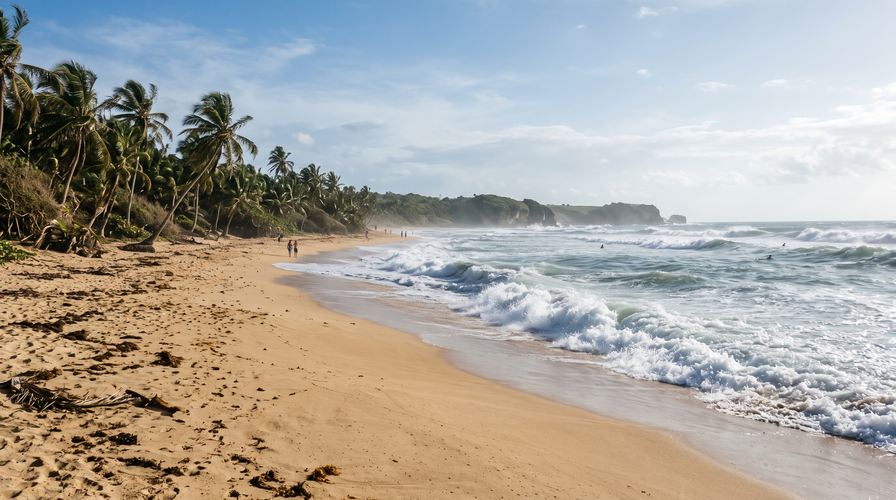
Down in the exclusive southern enclave, the waters are famously warm, shallow, and pristine. The ocean here stays remarkably calm, offering a luxury wading experience with almost zero wave action on standard days.
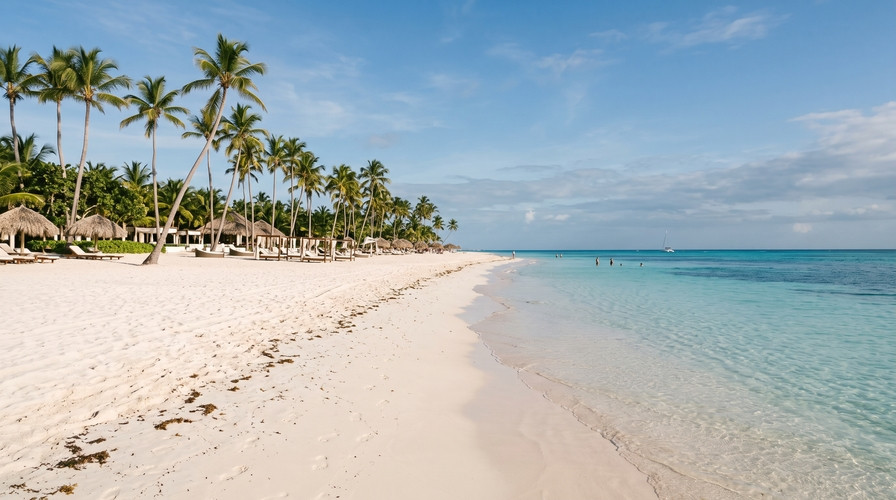
Here is your exact, data-driven look at how the climate and ocean behave throughout the calendar year.
| Metric | January Averages |
| Average Air Temp | 80°F (26°C) |
| Average Water Temp | 80°F (26°C) |
| Water Sports Rating | 4.5 / 5 Stars |
January kicks off the peak dry season. The humidity drops significantly, leaving behind crisp, comfortable trade winds. The reef-protected areas remain highly stable, making Punta Cana weather in January an absolute dream for snowbirds escaping the winter freeze. The combination of cool breezes and warm water makes early morning excursions flawless.
| Metric | February Averages |
| Average Air Temp | 80°F (26°C) |
| Average Water Temp | 79°F (26°C) |
| Water Sports Rating | 5 / 5 Stars |
For overall climate comfort, this is the champion. Humidity hits its annual low. The ocean clarity is piercingly sharp because there is very little terrestrial runoff from rain. If you are looking into Punta Cana weather in February for sailing, this is the month to book a catamaran Punta Cana Bavaro experience, as the skies are virtually cloudless.
| Metric | March Averages |
| Average Air Temp | 81°F (27°C) |
| Average Water Temp | 79°F (26°C) |
| Water Sports Rating | 5 / 5 Stars |
March delivers the highest volume of uninterrupted sunshine. The morning seas are often mirror-flat, providing the absolute best conditions for high-speed riding. The vibrant Punta Cana weather in March aligns perfectly with spring break, meaning the beaches are energetic, and water sports and adventure packages sell out rapidly.
| Metric | April Averages |
| Average Air Temp | 82°F (28°C) |
| Average Water Temp | 80°F (26°C) |
| Water Sports Rating | 4.8 / 5 Stars |
As the dry season concludes, the ocean begins to absorb the incoming summer heat. The waves remain gentle behind the reef. Punta Cana weather in April is characterized by this sweet spot—warm enough to stay in the water all day, but before the heavy humidity of summer fully sets in.
| Metric | May Averages |
| Average Air Temp | 84°F (29°C) |
| Average Water Temp | 81°F (27°C) |
| Water Sports Rating | 4 / 5 Stars |
May officially begins the transition into the wetter months. You will likely see short, warm afternoon showers. However, the Punta Cana weather in May offers incredible value. Resort prices drop, the crowds thin out, and the sea temperature spikes up to a bath-like 81°F.
| Metric | June Averages |
| Average Air Temp | 86°F (30°C) |
| Average Water Temp | 82°F (28°C) |
| Water Sports Rating | 4.5 / 5 Stars |
Summer heat arrives in full force. The humidity climbs, making the ocean the only place you will want to be. Because of the heat index, Punta Cana weather in June dictates that you book your heavy activity early. The early morning glass conditions are phenomenal for a buggy and jet ski package.
| Metric | July Averages |
| Average Air Temp | 86°F (30°C) |
| Average Water Temp | 84°F (29°C) |
| Water Sports Rating | 4 / 5 Stars |
The ocean feels like a heated swimming pool. July brings peak water temperatures, often hitting 84°F. While Punta Cana weather in July is intensely hot, it is the most popular time for families. The waters are high-energy, and passing tropical showers are frequent but brief.
| Metric | August Averages |
| Average Air Temp | 86°F (30°C) |
| Average Water Temp | 84°F (29°C) |
| Water Sports Rating | 4 / 5 Stars |
August is the hottest month on the island. The sun is searing, and the humidity is thick. To beat the heat, Punta Cana weather in August demands that you hit the water by 9:00 AM. This is also when you will start seeing significant off-peak pricing drops across all major resorts.
| Metric | September Averages |
| Average Air Temp | 86°F (30°C) |
| Average Water Temp | 84°F (29°C) |
| Water Sports Rating | 3.5 / 5 Stars |
Historically the quietest month for tourism, Punta Cana weather in September falls squarely in the middle of the storm season. You will see more rain, but you will also find completely empty beaches and the lowest travel prices of the year. Excursions still run daily, adapting dynamically to the shifting cloud cover.
| Metric | October Averages |
| Average Air Temp | 85°F (29°C) |
| Average Water Temp | 83°F (28°C) |
| Water Sports Rating | 4 / 5 Stars |
The heavy heat begins to break slightly. Punta Cana weather in October still sees regular afternoon showers, but the ocean swells begin to calm down as the late-summer weather patterns stabilize. It remains an excellent time for budget-conscious travelers seeking solitude.
| Metric | November Averages |
| Average Air Temp | 83°F (28°C) |
| Average Water Temp | 82°F (28°C) |
| Water Sports Rating | 4.5 / 5 Stars |
The island looks incredibly lush and green after the summer rains. The trade winds return, bringing refreshing breezes that cut through the humidity. Punta Cana weather in November is the ultimate shoulder month—offering high-quality water conditions right before the expensive holiday rates take effect.
| Metric | December Averages |
| Average Air Temp | 81°F (27°C) |
| Average Water Temp | 80°F (26°C) |
| Water Sports Rating | 5 / 5 Stars |
The rainy season is officially over. The skies clear up, the humidity plummets, and the ocean settles into a perfect rhythm. Punta Cana weather in December offers flawless 80°F water, bringing massive crowds and perfect conditions for every single excursion on the water.
Your ideal vacation timeline depends entirely on what you prioritize.
If your goal is zero humidity, clear skies, and a perfectly comfortable climate, book between February and April. The dry season guarantees optimal lounging conditions without the suffocating heat of the deep summer.
For throttle-heavy adrenaline junkies, the waters are best from March through July. Book early morning slots. This is the prime window to tackle the 4-hour thrill-fest Aqua Splash Pack before the afternoon chop builds up.
If you want to stay in a 5-star resort for a 3-star price, fly down in September or October. You will trade some afternoon sunshine for heavy discounts.
The shoulder months. You avoid the peak holiday pricing, but still largely avoid the heavy hurricane season rains.
Aligning with summer breaks, the warm waters and high-energy atmosphere make the summer months ideal for large groups looking for robust resort entertainment and easy scheduling.
You cannot talk about Caribbean weather without addressing the seaweed.
Sargassum is a natural marine algae that blooms heavily in the warmer summer months (May through September). Driven by rising ocean temps and shifting currents, it washes up on the shoreline. Resorts work tirelessly with tractors to clear it, but some days it accumulates faster than they can manage.
Here is the crucial distinction: the seaweed is only an issue directly on the sand. Once you get on a jet ski and push past the shallow breakline, the water is entirely clear. The barrier reef stops the massive floating mats, meaning our deep-water riding zones remain vibrant and stunning, completely unaffected by the shoreline sargassum.
Safety is a common concern when planning a trip between June and November. Is Punta Cana safe to visit during storm season? Yes.
The Dominican Republic sits in a highly fortunate geographical position. The Mona Passage (the strait between the DR and Puerto Rico) creates a complex atmospheric pressure zone that naturally deflects and shears apart incoming storm systems. According to data tracked by the National Hurricane Center (NHC), direct, catastrophic landfalls on the eastern tip of Punta Cana are exceptionally rare compared to other Caribbean islands.
In the event of heavy localized squalls, safety protocols instantly engage. We do not run machinery in lightning or unsafe marine swells. If severe weather hits, operations pause. We wait out the passing cell, and if it does not clear, operations are rescheduled immediately to ensure zero risk to riders.
| Excursion Type | Best Months | Morning Conditions | Afternoon Conditions |
| Jet Skiing | Dec - Aug | 5/5 (Glassy/Flat) | 3/5 (Choppy/Textured) |
| Parasailing | Jan - May | 5/5 (Stable Lift) | 2/5 (High Winds) |
| Catamaran Cruising | Year-Round | 4/5 (Calm Views) | 4/5 (Cooler Breeze) |
| Scuba/Snorkel | Feb - May | 5/5 (High Visibility) | 3/5 (Lower Clarity) |
Do not overpack. Keep it highly specific to sun protection and water mobility.
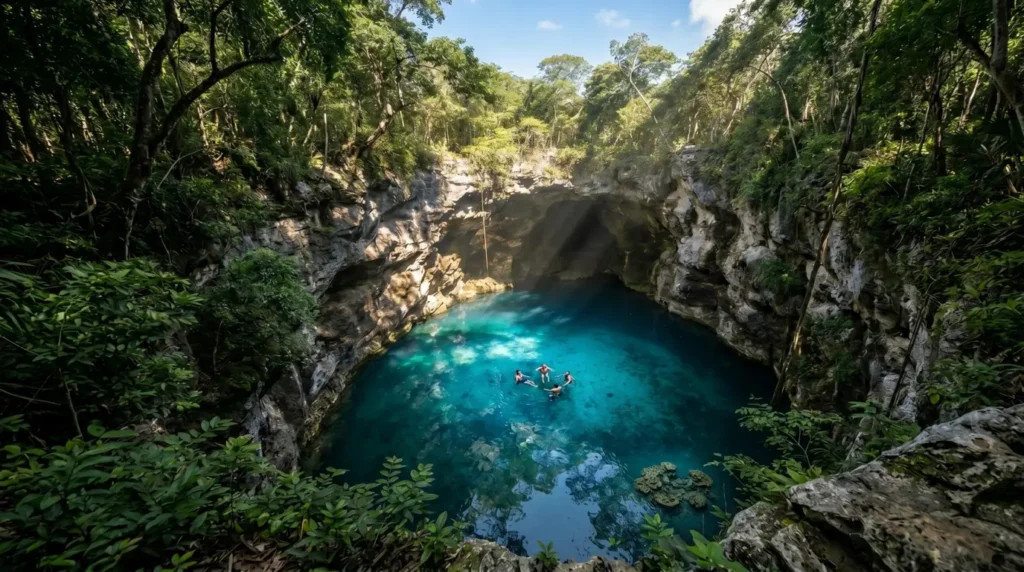
The Caribbean sun is punishing, even on cloudy days. You must pack reef-safe, biodegradable sunscreen to protect the fragile marine ecosystems, specifically if you plan an Isla Catalina snorkeling tour or a day exploring Saona Island excursions. High-quality polarized sunglasses are mandatory to cut the intense glare off the ocean surface.
Leave the heavy cotton on the beach. For jet skiing, wear a tight-fitting UPF 50 rash guard to prevent seat chafing and sun poisoning on your back. Always bring a heavy-duty waterproof phone pouch or a small dry bag that clips to your life vest.
In the dry season (Jan-April), focus purely on sun gear. In the rainy season (May-Nov), pack a lightweight, breathable rain shell. Do not pack umbrellas; the trade winds will snap them immediately.
Stop looking at the generic rain icons on your phone. They are useless for marine planning.
If you want to know what the water is actually doing, look at wind speed. We highly recommend using specialized marine radars like Windy to track the actual knots and swell directions pushing onto Bávaro Beach.
We monitor marine conditions daily. If the weather is unsafe, we offer 100% free rescheduling or full weather-related refunds. Book with confidence. If the ocean is too rough to safely operate, you will not lose a single dollar.
March is widely considered the best month for perfectly calm, flat water. The trade winds are highly predictable, and the morning seas are glassy.
No. Rainy season storms are usually intense, localized downpours that last 15 to 30 minutes. The sun typically returns immediately afterward.
Yes, you can ride in light rain as long as there is no lightning and the visibility remains clear. You are going to get wet anyway!
Yes, due to the Mona Passage pressure systems, Punta Cana is historically much safer and experiences far fewer direct hurricane landfalls than islands like the Bahamas or Florida's coast.
July and August boast the absolute warmest ocean temperatures, frequently cresting at an incredibly warm 84°F (29°C).
Bávaro Beach offers the calmest water because it is heavily protected by an offshore barrier reef, breaking the waves miles out.
The golden window for glassy, flat water is always between 8:00 AM and 10:30 AM before the afternoon trade winds pick up.
High winds create heavy chop, which makes jet skiing bumpy, and forces parasailing operations to ground their boats entirely due to severe canopy updraft risks.
We have a total of 8 jet skis, perfect for up to 14 participants.
Tour duration is approximately 4 hours and includes round-trip hotel transportation.
Available from Wednesday to Sunday, with departures at 9:00 AM and 2:00 PM.
Pick-up times may vary depending on your hotel location, typically 1 hour before the activity starts.