Quick Overview: If you are planning a trip to the Dominican Republic late in the year, November is arguably the most strategic month on the calendar. You hit the perfect transition period. Average highs sit comfortably at 84°F (29°C), ocean temperatures hold steady at a warm 82°F, and the major storm risks of early fall evaporate. While weather apps might display daily rain icons, actual precipitation is heavily restricted to brief, 15-minute late-afternoon showers. For travelers seeking glassy, calm waters for high-speed excursions and pristine coastlines free of peak-season crowds, November hits the absolute sweet spot.
We monitor the coastal conditions every single day to ensure our on-the-water operations run flawlessly. When you step off the plane at PUJ airport this November, the heavy, oppressive humidity of August is gone. Instead, you get a highly predictable, incredibly comfortable tropical climate.
Here is the exact data breakdown you can expect for your trip:
| Weather Metric | November Averages | What This Actually Means for You |
| Average High Temperature | 84°F (29°C) | Hot enough for all-day tanning, but the edge is off the intense summer heat. |
| Average Low Temperature | 76°F (24°C) | Perfect evening weather. You might want a very light linen shirt for late-night beach walks. |
| Ocean Temperature | 82°F (28°C) | Like bathwater. You can jump straight off a boat or Jet Ski without a shock to the system. |
| Daily Sunshine Hours | 10+ Hours | Long, bright days. The sun rises around 6:30 AM and sets near 5:45 PM. |
| Wind Speed | 9 - 12 mph | Gentle trade winds keep the coast cool without disrupting water clarity. |
This is the number one panic trigger for incoming travelers. You book your flight, check your iPhone weather app two weeks out, and see a lightning bolt or rain cloud on every single day of your vacation.
Stop stressing. Weather apps fundamentally misunderstand Caribbean microclimates.
Statistically, November records about 148mm of rain. But that number signals the very end of the rainy season, and how that rain falls changes everything.
The Realities of November Rain in Punta Cana: It does not rain all day. A typical November rain event is a massive, sudden downpour that lasts exactly 15 to 20 minutes, usually rolling in around 4:00 PM. Once the clouds break, the sun comes right back out, and the humidity drops. Your mornings and early afternoons—the prime time for boat tours and beach days—remain perfectly clear.
Do not cancel excursions or alter your itinerary based on a forecast icon. The passing tropical showers are warm, fast, and often a refreshing break from the midday sun.
Understanding the day-to-night transition dictates exactly how you should structure your vacation.
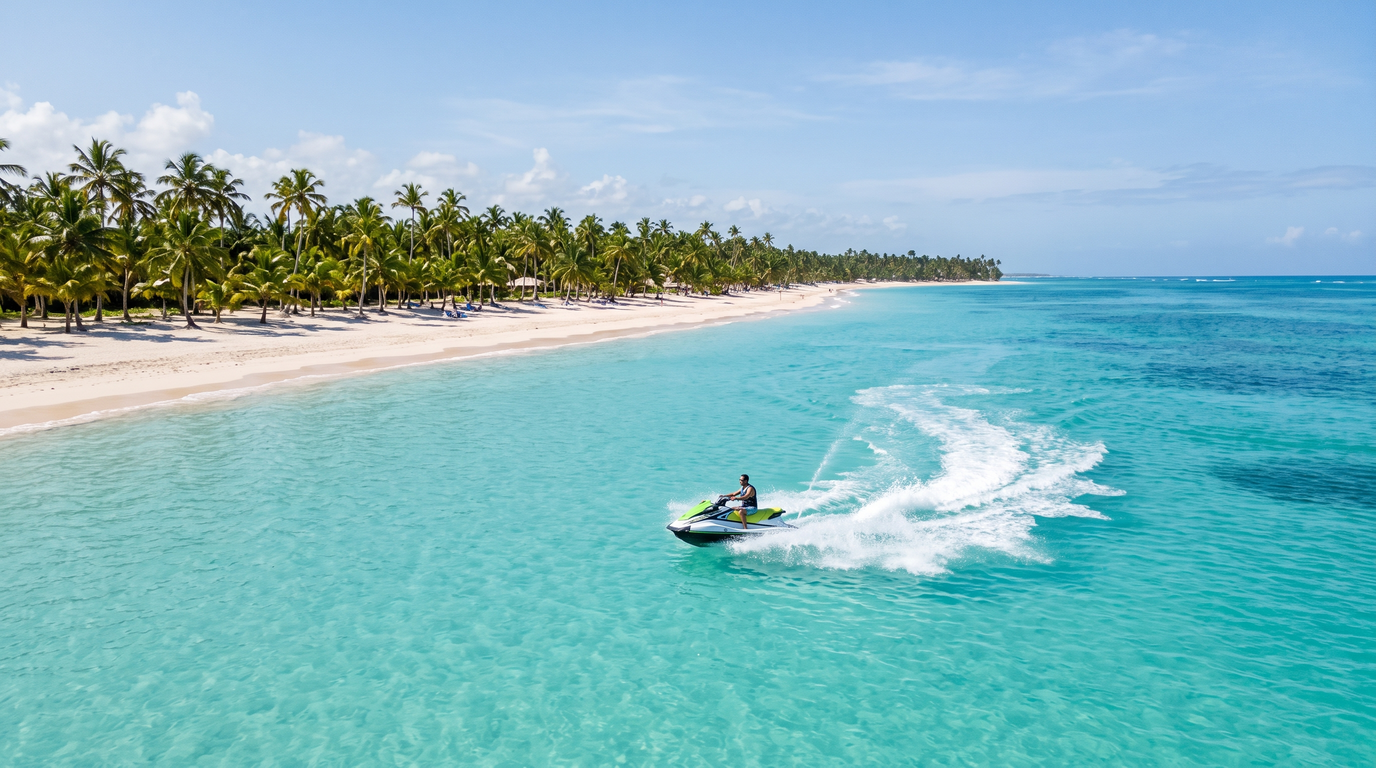
For anyone looking to actually get off the sand and onto the water, November offers elite maritime conditions. The aggressive wave action brought on by early fall storms flattens out, leaving the Caribbean Sea looking like a sheet of blue glass.
The ocean temperature hovers at an inviting 82°F (28°C). You don't need a wetsuit. You don't need to slowly wade in. You just dive.
Because the heavy seasonal storms have passed, the underwater sediment settles. This creates massive spikes in water clarity. If you head over to Bavaro Beach, you can often see straight to the bottom even in 15 feet of water. These calm, highly visible conditions are the absolute ultimate environment for high-speed surface sports, parasailing, and underwater reef exploration. When ranking the top beaches in Punta Cana, November brings out the best visual appeal across the entire eastern coastline.
Let's address the elephant in the room: Sargassum. This floating brown algae is a massive traveler pain point during the summer months.
Here is the good news. November is widely considered a seaweed-free month.
The shifting ocean currents and cooling Atlantic temperatures naturally cut off the Sargassum supply lines. By the time November rolls around, the resort tractors have easily cleared away any lingering debris from October. You can expect pristine, clear blue waters and white shorelines. For a real-time, deep dive into how the coast manages this issue year-round, check out our operational guide on seaweed in Punta Cana.
Perfect weather means your itinerary should be packed. The transition out of the rainy season opens up the entire island for exploration. While laying on a beach chair is great, the real magic of this coast happens when you throttle up and get moving.
If you want to maximize your trip, you need to dive into the best water sports in Punta Cana and top-tier local excursions. Here is how to spend your days.
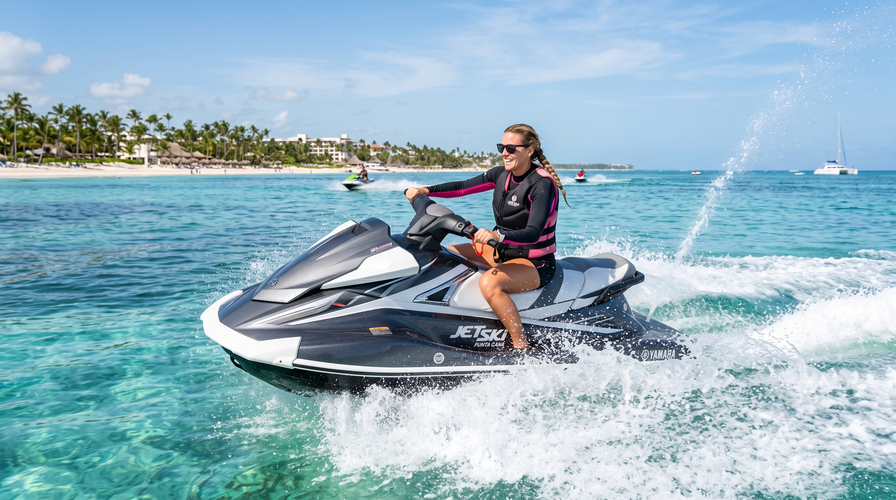
Flat water. 82-degree ocean temps. Zero seaweed. November is built for waverunners.
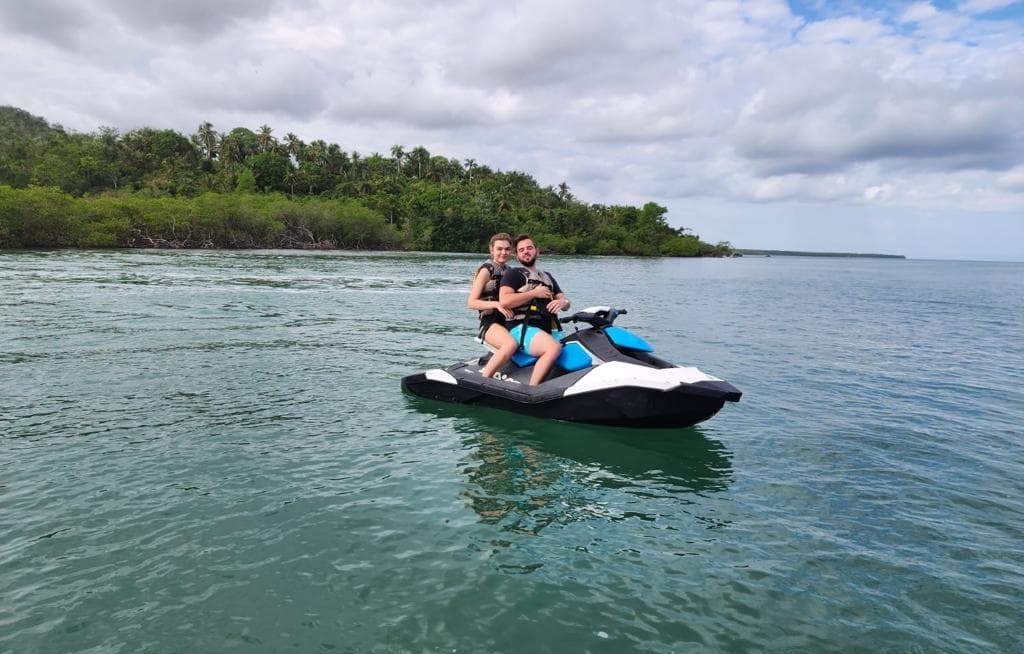
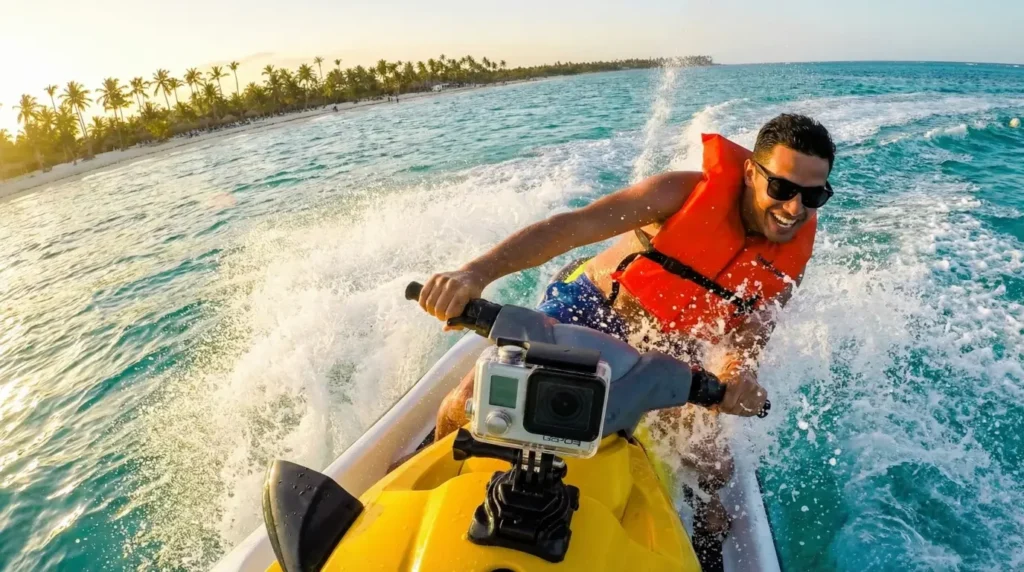
When the morning ocean is glassy, there is nothing quite like ripping across the Bávaro coastline at 45 miles per hour. The lack of heavy chop means you get a smooth, adrenaline-heavy ride without getting battered by rogue waves. You feel the salt spray, the roar of the engine, and the total freedom of the open Caribbean.
Whether you want a quick 30-minute sprint or a guided coastal tour to see the resorts from the water, our crew at Jet Ski Punta Cana guarantees the most well-maintained Yamaha equipment and the sharpest safety protocols on the beach.
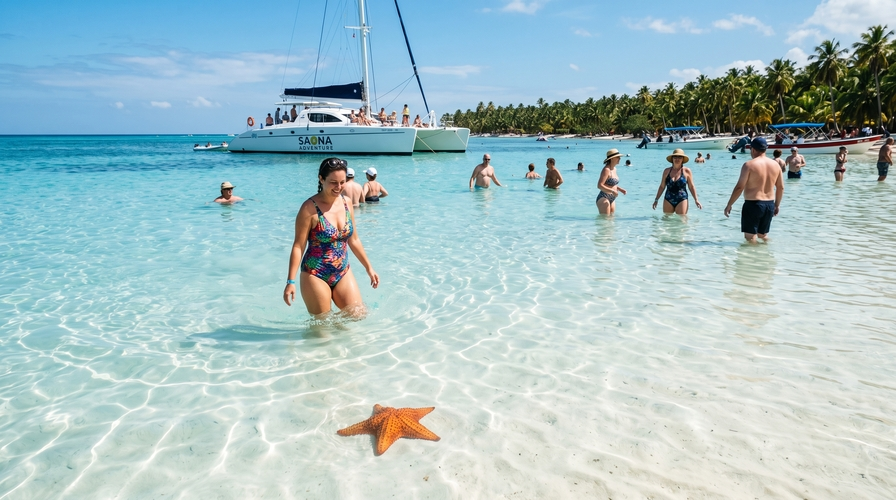
November's clear skies make full-day catamaran trips a mandatory addition to your schedule.
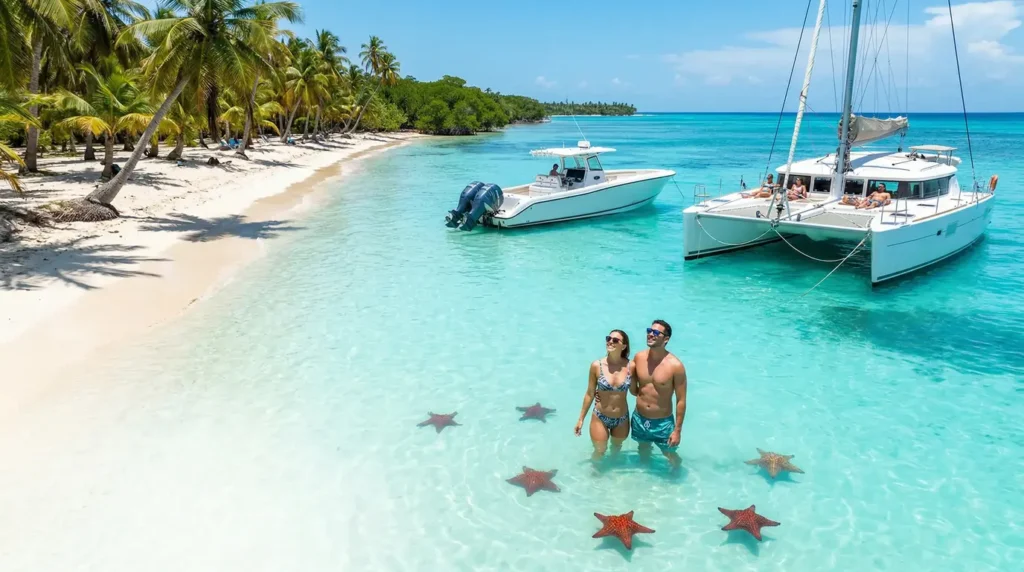
Taking a speedboat down to Saona Island puts you face-to-face with the famous natural pools—waist-deep, crystal-clear water out in the middle of the ocean where you can find giant starfish. If you prefer a more rugged, nature-focused vibe with epic drop-off reefs, booking a trip to Isla Catalina is the strategic play. Both islands look like heavily filtered Instagram posts in November. The reality actually matches the marketing.
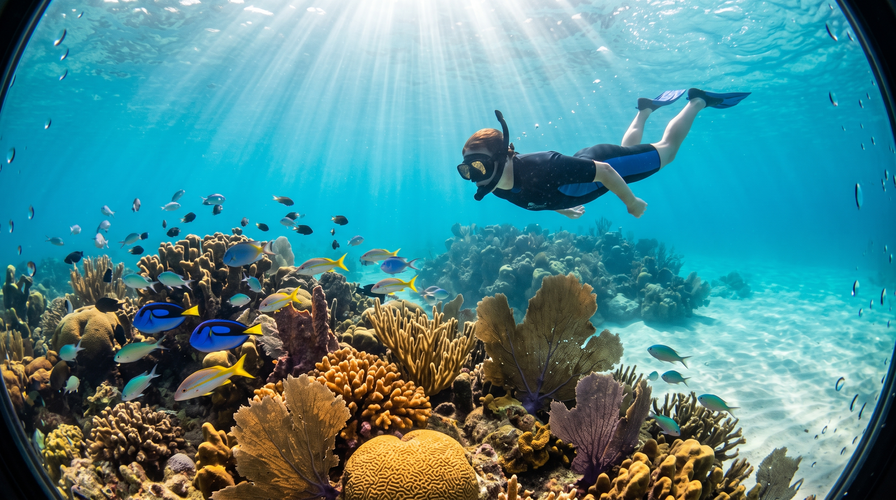
The lack of heavy rainfall directly translates to unbelievable underwater visibility. Post-rainy season, the runoff from the inland rivers stops, meaning the coastal reefs are flushed clean. Snorkelers and divers can expect 60 to 80 feet of visibility on a good day. The vibrant coral heads, nurse sharks, and massive schools of tropical fish are easy to spot just minutes off the main beaches.
Because the massive, suffocating heat of August has broken, going inland is actually enjoyable again.
Cooler morning temperatures make off-road mudding completely comfortable. Tearing through the jungle, hitting the local cenotes (underwater caves), and visiting Macao beach on four wheels is a brilliant way to break up your beach days. If you want the ultimate adrenaline combo, you can stack a morning off-road session with an afternoon on the water by booking a dedicated buggy and jet ski package.
For golfers, November means firm fairways and a perfect coastal breeze at world-class courses like Corales and Punta Espada.

Packing for the Caribbean in the late fall requires a mix of sun protection and smart, functional gear. Do not overpack heavy clothing. Keep it light, breathable, and water-focused.
Here is your definitive checklist:
If you are wondering about general safety outside the resorts while carrying your gear, the tourist zones are heavily monitored and incredibly secure. For a full breakdown of local security, review our latest data on why is Punta Cana safe to visit right now.
We get asked constantly: When should I actually book my flight?
November is the strategic "Sweet Spot." Here is exactly why.
If you look at Punta Cana weather in October, you are still dealing with a higher risk of lingering storms, heavier humidity, and the tail-end of the hurricane season. It's cheaper, but the weather is a gamble.
Conversely, if you wait and look at Punta Cana weather in December, the weather is flawless—but so is the pricing. By mid-December, the massive holiday crowds arrive. Hotel rates double. Excursions sell out weeks in advance. The beaches get crowded.
November threads the needle. You get December-quality weather with October-level crowds. The resorts are fully operational but not packed to the brim. You can easily negotiate better rates and book tours on a whim. If you want maximum value for your dollar without sacrificing sunshine, this is the best time to visit Punta Cana.
Escaping the cold to eat turkey on a tropical beach is a massive trend. The late-November holiday vibe in the Dominican Republic is distinct.
While the DR doesn't officially celebrate American Thanksgiving, the tourism industry absolutely does. Practically every major all-inclusive resort hosts massive, specialized Thanksgiving dinners featuring traditional roasted turkey, stuffing, and pumpkin pie, fused with local Dominican flair like roasted pork (pernil) and plantains.
Beyond the food, late November is when the island officially shakes off the off-season. Beach clubs start finalizing their winter line-ups. The local shops restock their highest quality inventory. The entire coastline begins gearing up for the massive island's winter festivities, making the energy in town incredibly vibrant and welcoming.
If you are finalizing your itinerary, make sure you download our complete 2026 Punta Cana travel guide to map out your airport transfers, currency exchanges, and top restaurant picks before you land.
1. Is November hurricane season in Punta Cana?
Technically, the official Atlantic hurricane season ends on November 30th. However, the actual risk of a Punta Cana hurricane hitting in November is extremely low, as ocean waters begin cooling and storm tracks historically shift away from the island.
2. Is the ocean warm enough to swim in November?
Yes, absolutely. The Caribbean Sea holds a highly comfortable average temperature of 82°F (28°C) throughout November, making it perfect for swimming, snorkeling, and high-speed water sports without any need for a wetsuit.
3. Are there mosquitos in Punta Cana in November?
Yes. Following the brief afternoon rain showers, mosquitos can be active, particularly around dusk and in areas with heavy vegetation. Packing a strong bug repellent is highly recommended for evening dinners.
4. How is the seaweed in Punta Cana in November?
November is widely considered a seaweed-free month. Changing ocean currents and cooling Atlantic waters naturally halt the arrival of Sargassum, leaving the major beaches like Bávaro incredibly clean and clear.
We have a total of 8 jet skis, perfect for up to 14 participants.
Tour duration is approximately 4 hours and includes round-trip hotel transportation.
Available from Wednesday to Sunday, with departures at 9:00 AM and 2:00 PM.
Pick-up times may vary depending on your hotel location, typically 1 hour before the activity starts.