Quick Summary: Dominican Republic weather in September brings daily average highs of 89°F (32°C), high humidity (around 80%), and sea temperatures peaking at a bath-warm 85°F (29°C). While September falls squarely within the Atlantic hurricane and wet season, rain typically arrives as quick, heavy 30-minute late-afternoon downpours rather than day-long washouts. Expect 7 to 8 hours of brilliant sunshine daily, minimal resort crowds, and exceptional morning ocean conditions for water sports.
Open any weather app before flying to Punta Cana in September, and you’ll likely see seven straight days of menacing rain clouds and lightning bolts.
Take a breath and close the app.
Standard forecast algorithms aggregate island-wide data and flag any 20% chance of precipitation as a "rainy day." Here on the coast, that is rarely the reality. September delivers intense tropical heat, crystal-clear morning skies, bath-warm water, and quiet beaches stripped of winter crowds. Yes, tropical downpours happen. Yes, it sits in the historical peak of the Caribbean storm cycle. But if you know how to work with the daily tropical rhythm, September offers some of the absolute best values and adventure windows on the island.
Understanding the Dominican Republic climate in September comes down to recognizing trade winds, solar heating, and atmospheric moisture. The island sits at the tail end of summer, meaning the surrounding Caribbean Sea and Atlantic Ocean have reached their highest thermal temperatures of the year.
The baseline numbers for the month break down as follows:
| Climate Metric | September Average | Typical Daily Range | Real-World Traveler Impact |
| Average Daily High | 89°F (31.7°C) | 87°F – 92°F (30.5°C – 33.3°C) | Intense midday heat; schedule land tours early. |
| Average Nighttime Low | 76°F (24.4°C) | 74°F – 78°F (23.3°C – 25.5°C) | Warm, balmy evenings; breathable linen is king. |
| Average Sea Temperature | 85°F (29.4°C) | 84°F – 86°F (28.8°C – 30.0°C) | Peak ocean warmth; zero thermal shock when diving in. |
| Dominican Republic Rainfall | 5.1 Inches (130 mm) | 4.0 – 6.5 Inches (100 – 165 mm) | 8 to 11 wet days; mostly quick afternoon bursts. |
| Daily Sunshine Hours | 7.5 to 8 Hours | 6 to 9 Hours | Intense UV (11+); high-grade reef-safe SPF needed. |
| Relative Humidity | 82% | 78% – 88% | Heavy tropical air; feels 6–8 degrees warmer midday. |
The Dominican Republic in September experiences average daily highs between 88°F and 91°F (31°C to 33°C), with heat indexes frequently pushing "feels-like" readings past 100°F (38°C) due to 80%+ humidity. Evenings remain warm and balmy, rarely dropping below 75°F (24°C).
Midday heat is intense. When stepping off an air-conditioned plane onto the tarmac at Punta Cana International (PUJ), the moisture hits immediately. That sticky air is the engine of the tropics. Because trade winds can slacken slightly during early autumn, coastal breezes provide welcome relief right along the shoreline, but inland areas like Higüey or the valleys near Jarabacoa feel significantly heavier.
Plan your days around this heat curve. Run your high-octane outdoor excursions from 8:00 AM to 11:30 AM, retreat to shade or swim-up pools during the midday scorch, and re-emerge for late-afternoon beach walks.
Rain does not fall all day across the Dominican Republic in September; precipitation manifests as brief, intense convective downpours that last 20 to 45 minutes, usually between 2:00 PM and 6:00 PM. The ground dries rapidly, and skies frequently clear completely before sunset.
These are tropical squalls, not dreary European or North American frontal storms that linger for 72 hours. Solar radiation heats the island throughout the morning, drawing warm, humid air upward. By mid-afternoon, heavy cumulus clouds build over the interior Cordillera Central mountain range and sweep toward the coast.
The rain will pound the palm trees with cinematic fury for half an hour. Gutters will gush, pathways will puddle, and the air will drop ten degrees in minutes. Then, like a light switch flipping, the clouds break, the sun reappears, and the ocean reflects a golden late-afternoon glow. Unless an organized tropical wave or tropical depression is directly crossing the Hispaniola landmass, your beach day will never be a complete write-off.
September represents the statistical peak of the Atlantic hurricane season, running from June 1 through November 30. Travelers booking Dominican Republic September holidays weather need an honest, hype-free understanding of what this means on the ground.
According to long-term tracking data compiled by the National Hurricane Center, the historical probability of a major hurricane making direct landfall on the eastern coastline of the Dominican Republic in any given week is low, but the atmospheric risk of passing low-pressure systems is real.
Hispaniola’s geographical superpower is its topography. The Cordillera Central mountain range features Pico Duarte, soaring over 10,000 feet above sea level. These towering peaks act as a natural atmospheric wedge, frequently tearing apart the circulation of storms tracking across the Caribbean before they can consolidate over major resort corridors like Bávaro, Cap Cana, or Bayahibe.
What should you actually prepare for?
Summer trade winds settle during late August and September, transforming the ocean. The average sea temperature Dominican Republic September sits at 85°F (29.4°C)—the warmest water you'll encounter all year.
For water lovers, this creates pure magic.
Between 7:30 AM and 10:30 AM, coastal winds are often dead calm. The turquoise waters of Bávaro and Cabeza de Toro flatten out into an expansive, mirror-like surface. If you're looking to experience high-speed thrills on the water, there isn't a better window on the calendar.
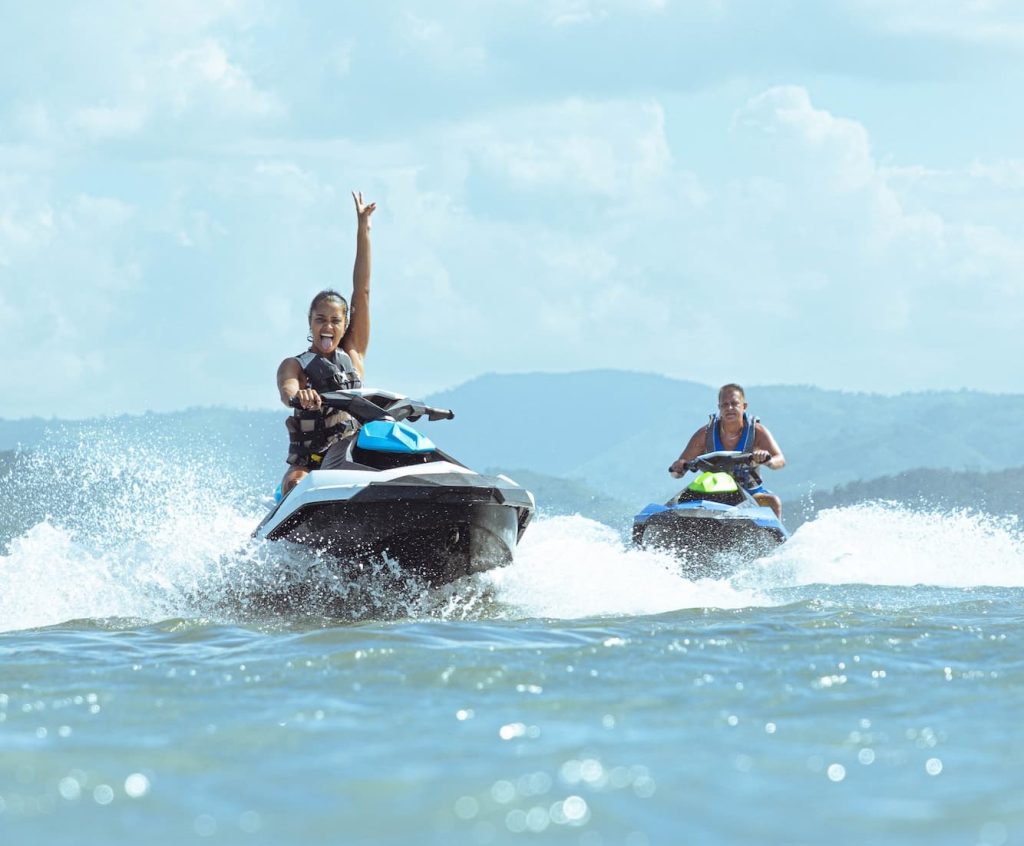
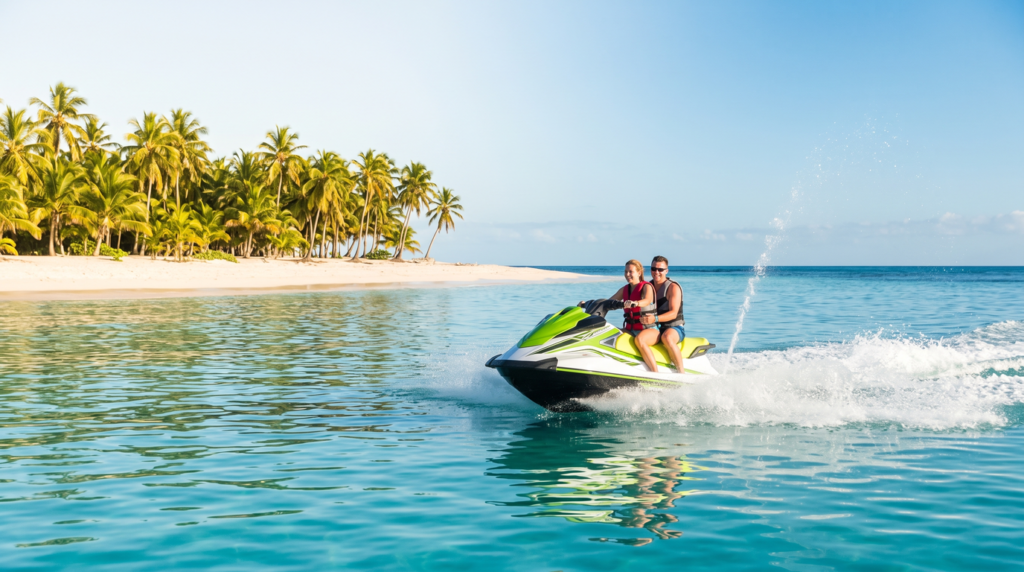
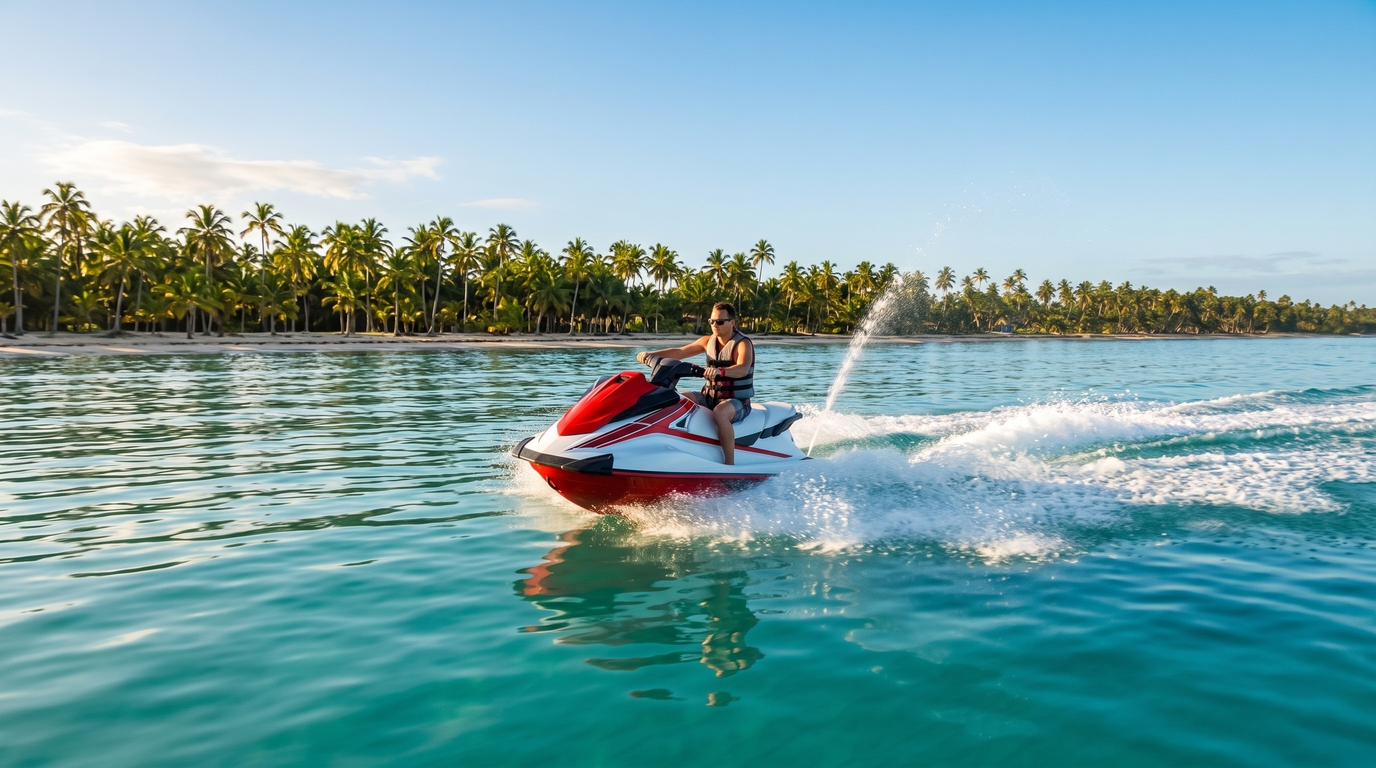
Cutting across glassy Caribbean swell at 45 mph on a high-output Yamaha WaveRunner is vastly superior to battling the choppy winter chop of January. When you lock into an early Jet Ski Punta Cana tour, you get pure open-throttle freedom without bouncing across heavy wind waves. The water clarity is exceptional, letting you spot coral reef formations and sea turtles right beneath your hull.
If you crave variety, the calm coastal waters make September ideal for trying an aqua kart tour Punta Cana. These purpose-built watercraft handle like lightweight track karts on water—low center of gravity, rapid throttle response, and razor-sharp turning capabilities across calm lagoon surfaces.
For guests who want comprehensive access to the shoreline, booking comprehensive water sports Punta Cana allows you to combine paddleboards, inflatables, and personal watercraft before the midday heat peaks.
Planning an itinerary around the daily rhythm is simple: stay on the water or in the forest canopy in the morning, embrace muddy land adventures when the showers roll in, and use downpours as your cue to relax.
Here are the prime experiences that make sense for this season:
Rain isn't your enemy on an off-road trek—it's the main ingredient. The dusty trails winding through Macao’s backcountry transform into high-octane mud tracks after an afternoon shower.
Booking a dedicated buggy tour Punta Cana lets you hammer through natural limestone puddles, splash across jungle ruts, and open the throttle on 4x4 dune buggies without choking on dry dirt.
To double down on thrills, travelers frequently pair trail rides with calm-water racing via the aqua kart and buggy package Punta Cana. It lets you attack the dirt trails in the morning and hit the flat ocean in the afternoon, turning a humid day into an unforgettable twin-engine rush.

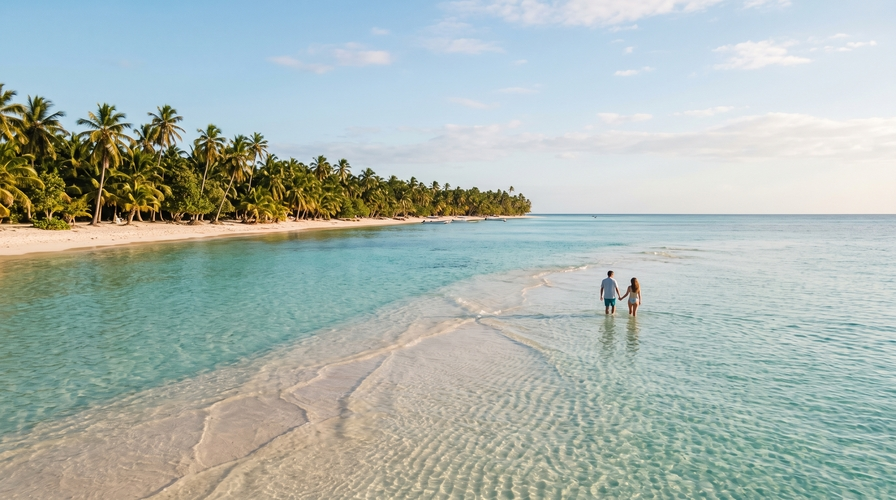
Off the southeastern tip of the island lies the national park gem of Saona Island. While winter excursions bring hundreds of catamarans crowding the famous natural swimming pool, September brings a serene, unhurried atmosphere.
Travelers often ask: is Saona Island worth it during the wetter months? Absolutely. The Bayahibe coastline sits on the Caribbean side of the island, which stays significantly calmer and receives less rainfall on average than the northern Atlantic coast. You get long, empty white-sand beaches, calm waist-deep water, and starfish-strewn sandbars with a fraction of the winter foot traffic.
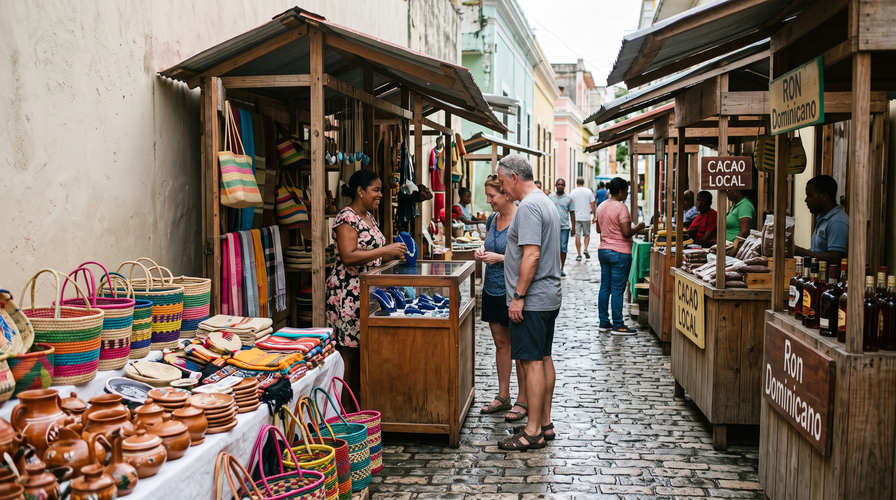
When a mid-afternoon rainstorm settles in for an hour, dodge the resort gift shops and dive into authentic local commerce. Pick up genuine Punta Cana souvenirs—from deep-blue Larimar stone jewelry mined only in the southwest region of Barahona to rich single-origin cacao, dark Dominican rum (like Brugal Leyenda), and smooth vanilla extract.
Looking for a broader itinerary? Check out our complete guide to things to do in Dominican Republic in September for waterfall hikes, cave diving, and historic tours across the capital city of Santo Domingo.
Choosing the right window for your Caribbean getaway requires seeing how late summer shifts into autumn. Weather patterns don't operate on strict calendar flips:
If your priority is scoring steep discounts, finding empty pools, and enjoying warm, glass-flat ocean conditions, weighing whether this is the best time to visit Punta Cana comes down to your tolerance for humidity versus your appetite for savings.
September is an excellent month to visit the Dominican Republic for travelers seeking low resort rates, minimal crowds, warm ocean waters, and uncrowded excursions. It is not ideal for visitors who dislike intense humidity or those who require completely rain-free days.
The financial upside is massive. High-end all-inclusive resorts in Cap Cana and Uvero Alto routinely slash rates by 30% to 50% compared to their December through April high-season tariffs. Airlines drop ticket prices to fill seats during the early school year lull, producing exceptional Dominican Republic September holiday deals.
From a safety and operational standpoint, is Punta Cana safe to visit during late summer? Yes. The local tourism infrastructure runs year-round without interruption. Official statistical data published by the Dominican Republic Ministry of Tourism demonstrates steady, secure arrivals throughout the autumn months, supported by strict resort safety protocols and active marine coast guard monitoring by the Armada de República Dominicana.
To maximize your time on the coast, lean on local wisdom:
Yes, you can sunbathe easily in the Dominican Republic in September. The island averages 7 to 8 hours of intense direct sunshine daily. The clearest sun occurs from 8:00 AM until early afternoon, providing ample tanning time before any late-afternoon tropical showers develop.
No, it rarely rains all day in September. Precipitation typically arrives as brief, localized tropical squalls that last 20 to 45 minutes before clearing. Day-long rain only occurs if an organized tropical depression or low-pressure system passes directly over the island.
While September is the statistical peak of the Atlantic hurricane season, direct landfalls on resort corridors are uncommon. The island’s high mountain range often weakens approaching systems, and modern resorts are engineered with hurricane shutter systems, emergency supplies, and independent backup generators.
Pack lightweight, breathable linen and quick-dry clothing, two to three swimsuits, a wide-brim sun hat, polarized sunglasses, high-SPF reef-safe sunscreen, insect repellent with DEET for jungle excursions, and a waterproof phone pouch or dry bag for beach and boat tours.
The best water activities in September include morning jet ski rentals, aqua kart tours, coastal snorkeling, and catamaran excursions. Calm morning sea breezes create glassy, warm ocean conditions with supreme water clarity before afternoon thermal winds build.
We have a total of 8 jet skis, perfect for up to 14 participants.
Tour duration is approximately 4 hours and includes round-trip hotel transportation.
Available from Wednesday to Sunday, with departures at 9:00 AM and 2:00 PM.
Pick-up times may vary depending on your hotel location, typically 1 hour before the activity starts.